Category: Mind–Body Practices

  • Observer Created Reality: Are You Shaping Your World Without Realizing It?

    Observer Created Reality: Are You Shaping Your World Without Realizing It?

    At Zaya Wellness, we often remind our clients of one simple truth: The way you see the world shapes the way you experience it.

    The idea of observer created reality suggests that reality is not just something happening outside of you — it is deeply influenced by your thoughts, beliefs, emotions, and awareness.

    But what does that really mean? And how does it affect your everyday life?

    Let’s explore this powerful concept in simple language.


    What Is Observer Created Reality?

    The concept of observer created reality comes from both modern science and ancient spiritual wisdom. It suggests that the act of observing something influences how it appears.

    In simple terms:

    Your attention, beliefs, and expectations shape your experience.

    When two people go through the same situation, they often experience it differently. Why? Because each person interprets the event through their own mental and emotional lens.

    Your mind is not just watching reality — it is participating in it.


    The Science Behind It

    In quantum physics, experiments like the Observer Effect show that particles behave differently when they are observed. While this does not mean we magically control everything, it does suggest that observation plays a role in how outcomes unfold.

    On a psychological level, this is even clearer:

    • If you believe people are unkind, you notice rude behavior more.
    • If you believe opportunities are everywhere, you start spotting them.
    • If you expect failure, you unconsciously act in ways that limit success.

    Your brain filters reality based on your beliefs.

    This is known as cognitive bias — and it influences how you experience life every day.


    Observer Created Reality in Daily Life

    Let’s bring this concept down to earth.

    1. Relationships

    If you believe your partner doesn’t care, you may interpret neutral actions as rejection. That belief then shapes your reaction — which affects the relationship.

    2. Health

    If you constantly focus on fear, stress hormones rise. Over time, this affects your physical health. But when you focus on safety and calm, your nervous system relaxes.

    3. Self-Image

    If you see yourself as capable, you take bold steps. If you see yourself as weak, you avoid challenges.

    Your internal world creates your external experience.


    Ancient Wisdom and Observer Consciousness

    Long before modern science, yogic and spiritual traditions spoke about the power of awareness.

    In yogic philosophy, the concept of the “Sakshi” (the witness consciousness) teaches us to observe thoughts without becoming them. When you become the observer rather than the reactor, your reality shifts.

    Instead of:
    “I am anxious.”

    You begin to say:
    “I notice anxiety.”

    That small shift changes everything.


    Are We Completely Creating Reality?

    It is important to be balanced here.

    Observer created reality does not mean:

    • You are responsible for every bad event.
    • You can control everything with thoughts alone.
    • Life is an illusion.

    It simply means:
    You influence your experience through perception.

    External events happen. But your response — and the meaning you give them — shapes your personal reality.


    How to Consciously Shape Your Reality

    At Zaya Wellness, we guide our clients to gently reclaim their observer power through practical tools:

    1. Mindfulness Practice

    Observe your thoughts daily. Ask:

    • What story am I telling myself?
    • Is this belief helping me or limiting me?

    2. Breath Awareness

    Slow breathing regulates the nervous system. A calm mind sees reality more clearly.

    3. Reframing

    Instead of asking:
    “Why is this happening to me?”

    Try:
    “What is this teaching me?”

    4. Gratitude Focus

    What you focus on grows. When you consciously notice small positives, your brain rewires to detect more of them.


    The Responsibility and the Freedom

    The idea of observer created reality is empowering.

    It means:

    • You are not helpless.
    • Your awareness matters.
    • Small inner shifts create outer change.

    When you change your perception, your behavior changes.
    When your behavior changes, your life direction changes.

    This is not magic. It is conscious living.


    A Gentle Reflection

    Pause for a moment.

    What belief are you holding right now about your life?

    Is it expanding your world — or shrinking it?

    At Zaya Wellness, we believe that true wellness begins when you realize that you are not just living in reality… you are participating in its creation.

    And when you become a conscious observer, your world becomes clearer, calmer, and more aligned with your true self.


    Final Thought

    You may not control every event.
    But you always have influence over how you see it.

    And sometimes, that is enough to transform everything.

  • 60+ and Still Strong: A Gentle Guide to Staying Physically Active with Zaya Wellness

    60+ and Still Strong: A Gentle Guide to Staying Physically Active with Zaya Wellness

    Growing older is a beautiful journey. At Zaya Wellness, we believe that turning 60 is not about slowing down — it is about moving wisely, living fully, and staying connected to your body with love and awareness.

    Staying physically active after 60 is one of the most powerful gifts you can give yourself. It supports your muscles, joints, heart, and even your emotional well-being. Most importantly, it helps you maintain independence and confidence in everyday life.

    Let us explore how you can stay active safely and joyfully after 60.


    Why Staying Physically Active After 60 Matters

    As we age, the body naturally loses muscle mass and bone strength. Joints may feel stiff. Energy levels may fluctuate. But regular movement can slow down these changes.

    Here’s how physical activity helps seniors:

    • Improves balance and reduces risk of falls
    • Strengthens bones and muscles
    • Supports heart health
    • Enhances flexibility and mobility
    • Boosts mood and mental clarity
    • Helps manage lifestyle conditions like diabetes and high blood pressure

    At Zaya Wellness, we see movement as medicine — gentle, consistent movement that nourishes rather than exhausts.


    Best Types of Exercise for People Over 60

    The key is not intense workouts. The key is consistency and awareness.

    1. Walking – The Simplest Healing Practice

    https://images.openai.com/static-rsc-3/E_U8TN_q_0d20drTN8frHfAvlYAhNDcZkx5MiaR-UwUgTISyjIl30UQKU_hDWRs048MMRnCusIsal_3KXahuLgyvF0VROMyexu3DTZbD2wA?purpose=fullsize&v=1
    https://www.verywellfit.com/thmb/ibX7cUVr7YnCGA5pJO_qPXYiaTI%3D/1500x0/filters%3Ano_upscale%28%29%3Amax_bytes%28150000%29%3Astrip_icc%28%29/vwt-skechers-slipins-go-walk-7-springtime-cathy-bixby-09-6e865fc612224679bd14445e9a4b3531.jpeg
    https://images.openai.com/static-rsc-3/bCHj5HqebFMx27BqIAFcMwxpHf3XZW7q59oTLHRRAR71NSRXkmGhK-02CPr8Ul2UAaQZ6XEoBoyVa92lLEkx6_k4ZN_xhoyJz8Ykszc9M5U?purpose=fullsize&v=1

    Walking is one of the safest and most effective exercises for seniors. A simple 20–30 minute walk daily can improve circulation, stamina, and mood.

    At Zaya Wellness, we often recommend mindful walking — paying attention to your breath, posture, and surroundings.


    2. Gentle Yoga for Flexibility and Balance

    https://images.openai.com/static-rsc-3/vwF_AiPgYsbcRI7VovWKx_v7pl-_pmN4iaA7vMWq7O-BZwHPcMZUzHqtEwSmwts3ecAWnxfxOnjTbFWwZ3jt5bFSf0Y041bTaxaQp59OH7I?purpose=fullsize&v=1
    https://images.openai.com/static-rsc-3/x6RETOy86gv2ON5274QYIwbsycDj9yA25HQ2b6xIUVFXhrIrRvuUTUmo8sGwRss6dZBMG6t_Ope_fXCCSn9jR7MWWxySLbcQYaYPCjej_M0?purpose=fullsize&v=1
    https://images.openai.com/static-rsc-3/2137hFc_DEJDGIMEPr9y1C3OGAnny00QafiNnzgWrlXXD0r6v5Z0HuWvCXXTec3TFjbRY_26k8JiB95bYr8YhdFAj_fI-v4HlIkTTV4ht88?purpose=fullsize&v=1

    Yoga improves flexibility, balance, and coordination. Simple stretches and chair yoga are excellent options for beginners.

    We encourage slow, supported movements rather than complex poses. Yoga at 60+ is not about perfection — it is about connection.


    3. Light Strength Training

    https://images.openai.com/static-rsc-3/Hw8t5gZPkLFOYSrbRP2DiCmNYmiWBCSc91Uzy0wUQNdg_GlWUQ6hkK-gV2R9RNCdUXDNOd6XtZv8sfSzRJUPf4dFHOMptCFC7ASNAWS0Ei4?purpose=fullsize&v=1
    https://images.openai.com/static-rsc-3/A-MOUcgS7z2GfMqvjVznmSFrF19g9AkSc1nKVorlqPEnqnA2i3Hq7jUmN3eivQOS7fdWhP66I5bjdk9VvLGKoDqwp5faDpXlNLXilKmQJLU?purpose=fullsize&v=1
    https://images.openai.com/static-rsc-3/k-SRRRbXdcGqonqLOIF_fLEs89dS1L3XczcLEEW1nDGUjlYsdvLn83t78-14u2RAGKa61SP6J0DbZ-2j36LKOZV_bU29WgANhDg3gJQQdTA?purpose=fullsize&v=1

    Muscle strength declines with age, but strength training can rebuild it. Using light weights or resistance bands 2–3 times a week can:

    • Improve bone density
    • Support joint stability
    • Enhance posture

    Always start slow and, if possible, seek guidance from a trained professional.


    4. Breathing and Pranayama

    https://images.openai.com/static-rsc-3/WOVc1u47lpULLnXei_fcwq72-8bVpzVL61Kmc5_a5MPpkgKmgzRxHQrW1SQAdjJ0ZMf6rsaDv-HxaCrGdIIWY-wJCEiemFwZOE_BCeyTXXU?purpose=fullsize&v=1
    https://images.openai.com/static-rsc-3/Lzs_KkA6z0hg4ROUXUWRhAv7xQgCkj6zaxzG4dnSYcWhF0uQjHFR0hMTZHiPmKBrRMDrjhi3lFhqoMlseA_8j55oPj9rJXFrErCdU8Avv6Y?purpose=fullsize&v=1
    https://images.openai.com/static-rsc-3/Kh4mInjimE3fmgqzwW8WEfR8yFe9nviItYzRbrlthi92R4O9u9AN7cxyXV3sK4-5voQtwKveW8WwrAP9PMzBRES_I_5qCnLslRDtYM0PRg4?purpose=fullsize&v=1

    Breathing exercises improve lung capacity and calm the nervous system. Even 5–10 minutes daily can reduce stress and improve overall vitality.

    At Zaya Wellness, we often combine gentle movement with conscious breathing for holistic balance.


    How to Stay Safe While Exercising at 60+

    Safety is essential. Here are a few important tips:

    • Consult your healthcare provider before starting a new routine
    • Warm up before exercise and cool down afterward
    • Stay hydrated
    • Wear comfortable footwear
    • Stop if you feel dizziness, chest pain, or unusual discomfort

    Remember — pain is not progress.


    The Emotional Benefits of Staying Active

    Physical activity is not just about the body. It reduces loneliness, improves self-confidence, and gives a sense of purpose.

    Joining group classes, walking with friends, or practicing yoga with a partner can make movement joyful.

    At Zaya Wellness, we believe true wellness is physical, emotional, and spiritual. Staying active supports all three layers.


    It Is Never Too Late to Begin

    If you are above 60 and have been inactive, start small. Even 10 minutes a day makes a difference. The goal is not intensity — it is consistency.

    Your body has supported you for decades. Now it deserves gentle care and regular movement.


    Conclusion: Age with Strength, Grace, and Awareness

    Staying physically active after 60 is not about competing with youth. It is about preserving independence, vitality, and inner joy.

    At Zaya Wellness, we encourage you to move with awareness, breathe with gratitude, and treat your body with kindness. Aging can be powerful when approached consciously.

    Your journey does not slow at 60 — it deepens.

    If you would like personalized guidance on safe exercise, yoga therapy, or holistic wellness support, connect with us at Zaya Wellness. We are here to walk this path with you.

  • Understanding Aura: What Your Energy Field Says About You

    Understanding Aura: What Your Energy Field Says About You

    In the world of holistic wellness, we often hear the word aura. But what exactly is an aura? Is it real? And how does it affect our health and emotions?

    At Zaya Wellness, we believe that healing is not just physical — it is energetic, emotional, and spiritual. Understanding your aura can help you become more aware of your inner state and improve your overall well-being.

    Let us explore this beautiful concept in simple words.


    What Is an Aura?

    An aura is believed to be the subtle energy field that surrounds every living being. Just like the body has a physical structure, it also has an energetic layer.

    You may not see it with your eyes, but you can feel it.

    Have you ever:

    • Felt calm near someone?
    • Felt uncomfortable around certain people without knowing why?
    • Entered a room and sensed heavy or light energy?

    That is energetic perception. That is aura awareness.


    What Does Your Aura Reflect?

    Your aura reflects your:

    • Emotional state
    • Mental clarity
    • Physical health
    • Spiritual balance

    When you are peaceful, confident, and healthy, your aura feels light and expansive.
    When you are stressed, angry, or unwell, your aura may feel heavy or disturbed.

    At Zaya Wellness, we often say:

    “Your energy speaks before you do.”


    Aura and the Mind-Body Connection

    In yogic and Ayurvedic philosophy, the human system is not limited to the physical body. Ancient texts describe layers of existence that include energy and consciousness.

    Your aura interacts closely with:

    • Your thoughts
    • Your breathing pattern
    • Your nervous system
    • Your lifestyle habits

    Stress hormones, negative thinking, and emotional trauma can disturb your energetic balance. On the other hand, meditation, proper breathing, gratitude, and mindful living can strengthen your aura.


    Signs of a Weak or Disturbed Aura

    While aura is subtle, you may notice certain signs when your energy feels low:

    • Constant fatigue
    • Emotional instability
    • Frequent mood swings
    • Feeling drained around others
    • Difficulty focusing

    These are not just physical symptoms — sometimes they are energetic signals asking for attention.


    How to Cleanse and Strengthen Your Aura

    At Zaya Wellness, we encourage simple and natural practices to maintain energetic balance.

    1. Conscious Breathing

    Deep, slow breathing calms your nervous system and stabilizes your energy.

    2. Meditation

    Even 10–15 minutes daily can clear mental clutter and strengthen your aura.

    3. Gratitude Practice

    Gratitude shifts your frequency from fear to abundance.

    4. Nature Connection

    Walking barefoot on earth, sitting near plants, or watching sunrise can reset your energy.

    5. Sound Healing

    Certain vibrations help clear energetic blockages and promote emotional release.


    Is Aura Scientific?

    The concept of aura comes from spiritual traditions and energy medicine systems. While modern science may not fully measure it the same way, studies on biofields, electromagnetic signals of the heart and brain, and mind-body medicine show that the human body radiates energy.

    At Zaya Wellness, we bridge traditional wisdom with practical awareness. Whether you view aura spiritually or psychologically, the message is the same:

    Your inner state matters.


    Why Understanding Your Aura Is Important

    When you become aware of your aura:

    • You become more emotionally intelligent
    • You protect your energy from negativity
    • You respond instead of reacting
    • You feel more grounded and centered

    Healing is not only about removing disease.
    Healing is about restoring harmony — within and around you.


    Final Thoughts from Zaya Wellness

    Your aura is not something mystical and distant.
    It is your living energy — shaped by your thoughts, emotions, breath, and lifestyle.

    When you care for your mind and body, your aura naturally becomes radiant.

    If you wish to explore deeper energetic balance, mindful practices, or holistic healing approaches, Zaya Wellness is here to support you.

    ✨ Your energy is your responsibility.
    ✨ Your healing begins within.

  • 🌸 Why Do Mood Swings Happen During Periods? Understanding PMS with Compassion

    🌸 Why Do Mood Swings Happen During Periods? Understanding PMS with Compassion

    Mood swings during periods are very common, yet many women feel confused, guilty, or overwhelmed by them. One day you feel calm, and the next day you may feel irritated, emotional, anxious, or even sad — without a clear reason.

    At Zaya Wellness, we believe that understanding your body is the first step toward self-care. Let’s explore why mood swings happen during periods and how you can manage them naturally.


    What Are Mood Swings During Periods?

    Mood swings during periods are emotional changes that happen before or during menstruation. These changes are often part of Premenstrual Syndrome (PMS).

    Common emotional symptoms include:

    • Irritability
    • Sudden sadness or crying
    • Anxiety
    • Feeling overwhelmed
    • Anger without clear reason
    • Low motivation
    • Sensitivity to small things

    If you’ve experienced this, please know — you are not “overreacting.” Your body is going through hormonal changes.


    Why Do Mood Swings Happen During Your Period?

    The main reason behind mood swings during periods is hormonal fluctuation.

    1️⃣ Hormone Changes

    Before your period starts, levels of estrogen and progesterone rise and fall. These hormones affect brain chemicals like serotonin (the “feel-good” hormone). When serotonin drops, you may feel low, irritated, or anxious.

    2️⃣ Physical Discomfort

    Cramps, bloating, headaches, fatigue, and poor sleep can make you emotionally sensitive.

    3️⃣ Stress and Lifestyle

    If you are already stressed, not sleeping well, or not eating balanced meals, PMS symptoms can feel stronger.

    At Zaya Wellness, we often remind women: your mood is connected to your hormones, your sleep, your stress, and your lifestyle — it’s all connected.


    How to Manage Mood Swings During Periods Naturally

    Here are simple and practical ways to handle mood swings during periods:

    🌿 1. Practice Self-Awareness

    Track your cycle. When you know your PMS days, you can prepare mentally and emotionally. Awareness reduces guilt.

    🧘‍♀️ 2. Gentle Movement Helps

    Light exercise like yoga, walking, or stretching improves blood flow and boosts serotonin levels. Even 20 minutes can make a difference.

    🥗 3. Eat Balanced Meals

    Include:

    • Fresh fruits and vegetables
    • Nuts and seeds
    • Whole grains
    • Enough water

    Avoid too much caffeine and sugar, as they can increase anxiety and mood swings.

    😴 4. Prioritize Sleep

    Lack of sleep worsens irritability. Try to maintain a regular sleep routine.

    🫶 5. Communicate Openly

    Let your partner or family know that you may feel emotionally sensitive during certain days. Honest communication reduces misunderstandings.

    🌸 6. Practice Emotional Release

    Journaling, meditation, deep breathing, or simply talking to a trusted friend can help release emotional pressure.


    When Should You Seek Professional Help?

    If mood swings during your period are very intense, affect your work, relationships, or daily life, you may be experiencing PMDD (Premenstrual Dysphoric Disorder). In such cases, consulting a healthcare professional is important.

    There is no shame in seeking support. At Zaya Wellness, we encourage women to prioritize their mental and hormonal health without guilt.


    A Gentle Reminder from Zaya Wellness 💛

    Your period is not a weakness. It is a natural rhythm of your body. Mood swings during periods are your body’s way of communicating.

    Instead of fighting your emotions, try listening to them.
    Instead of judging yourself, try understanding yourself.

    Self-care during your menstrual cycle is not selfish — it is necessary.


    Final Thoughts

    Mood swings during periods are normal, but they don’t have to control your life. With awareness, healthy habits, emotional expression, and self-compassion, you can manage PMS more gently.

    At Zaya Wellness, we believe that women deserve understanding, not criticism — especially from themselves.

    🌸 Be patient with your body.
    🌿 Support your hormones naturally.
    💛 Choose compassion over judgment.

    Disclaimer: The information shared by Zaya Wellness is for educational purposes only and is not a substitute for professional medical advice, diagnosis, or treatment. Please consult a qualified healthcare provider for personalized guidance regarding your health.

  • Fighting a Chronic Illness: From Survival Mode to Self-Compassion

    Fighting a Chronic Illness: From Survival Mode to Self-Compassion

    Living with a chronic illness is not just about managing symptoms. It is about learning to live with uncertainty, fatigue, emotional ups and downs, and invisible struggles that others may never fully understand.

    At Zaya Wellness, we see you. We understand that fighting a chronic illness is not only a physical journey — it is mental, emotional, and deeply personal.

    This article explores what it truly means to live with chronic illness and how you can move from constant “fighting” to gentle healing.


    What Is a Chronic Illness?

    A chronic illness is a long-term health condition that may not have a permanent cure but can be managed. Examples include autoimmune disorders, chronic pain conditions, hormonal imbalances, digestive disorders, migraines, asthma, and many more.

    Unlike short-term illnesses, chronic conditions often:

    • Last for months or years
    • Fluctuate in intensity
    • Affect daily life and mobility
    • Impact mental and emotional health

    And sometimes, the hardest part? It is invisible to others.


    The Emotional Side of Fighting a Chronic Illness

    When you live with chronic illness, you may experience:

    • Frustration: “Why is this happening to me?”
    • Fear: “Will I ever feel normal again?”
    • Guilt: “Am I a burden?”
    • Isolation: “No one understands what I’m going through.”

    At Zaya Wellness, we often remind our clients: your emotional exhaustion is real.

    You are not weak for feeling tired.
    You are not dramatic for needing rest.
    You are not lazy for canceling plans.

    Chronic illness demands energy — even on days when you look “fine.”


    Survival Mode vs Healing Mode

    Many people with long-term health conditions live in survival mode.

    Survival mode looks like:

    • Pushing through pain
    • Ignoring warning signs
    • Overworking on good days
    • Crashing on bad days
    • Feeling constantly alert or anxious

    Healing mode is different. It involves:

    • Listening to your body
    • Setting boundaries
    • Resting without guilt
    • Regulating stress
    • Supporting your nervous system

    At Zaya Wellness, our approach focuses on shifting from “fighting your body” to working with your body.


    How Stress Worsens Chronic Illness

    When the body is under constant stress, stress hormones remain elevated. Over time, this can:

    • Increase inflammation
    • Disrupt sleep
    • Weaken immunity
    • Worsen pain perception
    • Trigger flare-ups

    This is why chronic illness care must include emotional and nervous system support — not just medication.


    Gentle Ways to Support Your Body

    While every condition is unique, here are simple, supportive steps that can help:

    1. Practice Energy Management

    Instead of doing everything on “good days,” pace yourself. Think long-term sustainability.

    2. Prioritize Rest as Treatment

    Rest is not laziness. For many chronic conditions, rest is medicine.

    3. Support Your Nervous System

    Breathing practices, guided relaxation, gentle yoga, or sound healing can help regulate stress.

    4. Nourish, Don’t Punish

    Choose foods that support digestion and reduce inflammation. Avoid extreme dieting driven by fear.

    5. Seek Emotional Support

    Therapy, counselling, or safe community spaces can reduce isolation and anxiety.

    At Zaya Wellness, we combine holistic wellness practices, mindfulness, and traditional healing systems to help you build resilience gently — not aggressively.


    You Are Not Your Diagnosis

    One of the biggest emotional battles in chronic illness is identity.

    You may feel like:
    “I am my disease.”
    “My life is over.”
    “I will never be the same.”

    But healing does not always mean going back to who you were.
    Sometimes healing means becoming stronger, wiser, and more compassionate toward yourself.

    You are still you.
    You are still worthy.
    You are still capable of joy.


    When Fighting Becomes Self-Compassion

    The word “fighting” often implies war.

    But what if healing is not a war?
    What if it is a relationship?

    What if instead of fighting your body, you learned to listen to it?

    At Zaya Wellness, we encourage a shift:
    From resistance → to awareness
    From self-criticism → to self-compassion
    From fear → to informed care

    Chronic illness may change your pace.
    But it does not reduce your value.


    Final Thoughts: Healing Is Not Linear

    Some days you will feel strong.
    Some days you will feel defeated.
    Both are part of the journey.

    If you are living with chronic illness, please remember:
    You are not alone.
    You are not behind in life.
    You are not broken.

    You are navigating something incredibly difficult — with courage.

    At Zaya Wellness, we walk beside you in that journey — offering guidance, holistic support, and a safe space where your experience is honored.

  • The Sacred Energy Pathways: Understanding Nadis in Yogic Philosophy

    The Sacred Energy Pathways: Understanding Nadis in Yogic Philosophy

    In yogic philosophy, the human body is not just physical. It is energetic, intelligent, and deeply interconnected. At Zaya Wellness, we believe that true well-being begins when we understand and balance this subtle energy system. One of the most powerful concepts in yoga that explains this energy flow is the idea of Nadis.

    Let us explore what Nadis are, why they matter, and how balancing them can transform your physical, emotional, and spiritual health.


    What Are Nadis?

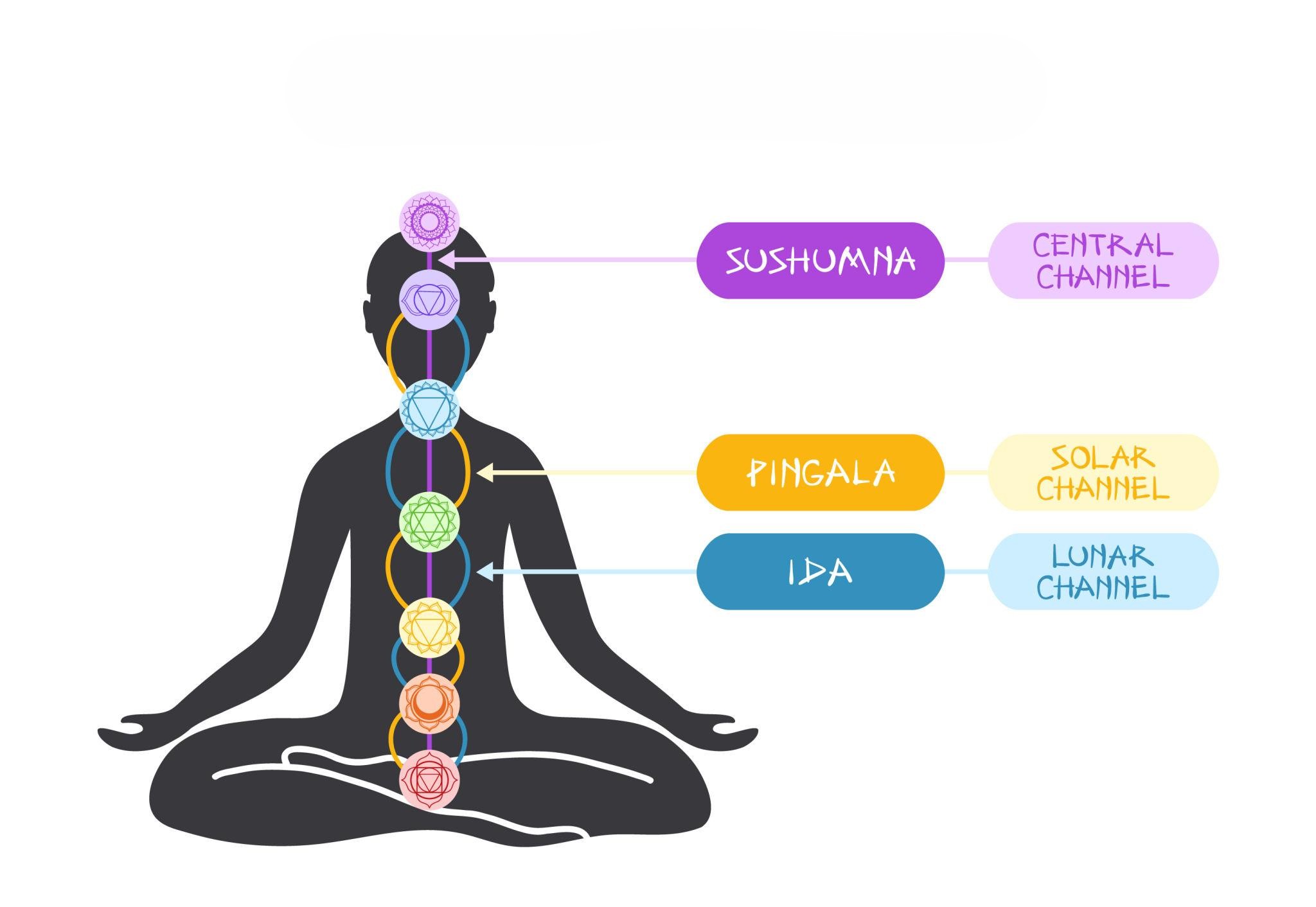
    In yogic philosophy, Nadis are subtle energy channels through which Prana (life force energy) flows. The word “Nadi” comes from Sanskrit and means “flow” or “stream.”

    According to ancient yogic texts like the Hatha Yoga Pradipika and Shiva Samhita, there are 72,000 Nadis in the human energy system. These channels are not physical nerves, but subtle pathways that carry vital energy throughout the body.

    When Nadis are clear and balanced, we experience:

    • Better health
    • Emotional stability
    • Mental clarity
    • Spiritual growth

    When blocked, they may contribute to fatigue, confusion, stress, and imbalance.


    The Three Main Nadis

    Among the thousands of Nadis, three are considered the most important in yogic philosophy:

    1. Ida Nadi – The Moon Energy 🌙

    Ida Nadi represents feminine, cooling, and intuitive energy. It flows on the left side of the spine and is associated with the right hemisphere of the brain.

    Qualities of Ida:

    • Calmness
    • Intuition
    • Creativity
    • Emotional awareness

    When Ida is dominant, we may feel relaxed and inward-focused.


    2. Pingala Nadi – The Sun Energy ☀️

    Pingala Nadi represents masculine, heating, and active energy. It flows on the right side of the spine and is connected with the left hemisphere of the brain.

    Qualities of Pingala:

    • Logic
    • Action
    • Vitality
    • Motivation

    When Pingala dominates, we feel energetic and outward-driven.

    Sushumna Nadi – The Central Channel ✨

    Sushumna is the central energy channel that runs along the spine. It is considered the pathway for spiritual awakening and higher consciousness.

    When Ida and Pingala are balanced, energy flows freely through Sushumna. This state is linked with deep meditation, clarity, and spiritual growth.


    Nadis and Chakras: How They Work Together

    The three main Nadis intersect at important energy centers known as chakras. In yogic teachings, these intersections influence both physical organs and emotional patterns.

    When the Nadis are balanced:

    • Chakras function harmoniously
    • Breath becomes steady
    • Mind becomes calm
    • Inner awareness deepens

    At Zaya Wellness, we guide individuals to gently restore this balance through breathwork, yoga therapy, mindfulness, and Ayurvedic lifestyle practices.


    Signs of Nadi Imbalance

    You may experience imbalance in your Nadis if you notice:

    • Constant overthinking
    • Emotional instability
    • Low energy or burnout
    • Difficulty focusing
    • Restlessness during meditation

    These signs are not something to fear. They are invitations to slow down and reconnect with your inner energy flow.


    How to Balance the Nadis Naturally

    Here are simple yogic practices we recommend at Zaya Wellness:

    1. Nadi Shodhana (Alternate Nostril Breathing)

    This pranayama technique helps balance Ida and Pingala.

    How to practice:

    • Sit comfortably.
    • Inhale through the left nostril.
    • Exhale through the right.
    • Then inhale right, exhale left.
    • Continue for 5–10 minutes.

    2. Gentle Yoga Asanas

    Twisting poses and spinal stretches help activate the central channel.

    3. Meditation

    Regular meditation calms Ida and Pingala, allowing Sushumna to awaken naturally.

    4. Ayurvedic Lifestyle Alignment

    Balanced diet, proper sleep, and mindful routines support smooth energy flow.


    Why Nadis Matter in Modern Life

    In today’s fast-paced world, many of us live in Pingala dominance — constantly active, stressed, and outward-focused. Others may feel stuck in Ida — overthinking and emotionally overwhelmed.

    True wellness is not about choosing one side. It is about balance.

    At Zaya Wellness, we see Nadis not as mystical concepts, but as practical tools to understand stress, mood swings, burnout, and spiritual disconnection. When we restore energetic balance, the body and mind follow naturally.


    A Gentle Reminder from Zaya Wellness

    Your body is not just muscles and bones.
    It is energy, breath, and consciousness flowing together.

    When your Nadis are clear, life flows effortlessly.

    If you wish to explore breathwork, yoga therapy, or Ayurvedic guidance tailored to your constitution, we are here to walk this journey with you.

    Let your energy flow. Let your healing begin.

  • Finding True Peace: A Gentle Journey Back to Yourself

    Finding True Peace: A Gentle Journey Back to Yourself

    In today’s fast-moving world, peace often feels distant. We are constantly thinking, planning, worrying, comparing, and rushing. Yet deep within us, there is a quiet space — a place of calm, balance, and stillness.

    At Zaya Wellness, we believe that peace is not something you find outside. It is something you remember within.


    What Is True Peace?

    Peace is not the absence of problems.
    Peace is the ability to remain steady even when life feels uncertain.

    True peace means:

    • A calm mind
    • A relaxed body
    • Balanced emotions
    • A heart free from constant fear and overthinking

    It is not about escaping life. It is about learning to respond to life with awareness.


    Why Is Peace So Important for Our Well-Being?

    When we are not at peace, our body and mind suffer.

    Chronic stress can:

    • Increase stress hormones like cortisol
    • Disturb sleep
    • Affect digestion
    • Create anxiety and mood swings
    • Weaken immunity

    But when we experience inner peace:

    • Our breathing becomes slow and deep
    • Our nervous system relaxes
    • Our heart rate stabilizes
    • Our thoughts become clearer

    Peace supports emotional balance, mental clarity, and physical health.

    At Zaya Wellness, we see peace as the foundation of holistic healing.


    Why Do We Lose Our Peace?

    Many factors disturb our inner calm:

    • Overthinking about the future
    • Holding on to past pain
    • Comparing ourselves to others
    • Unrealistic expectations
    • Lack of self-care
    • Constant digital stimulation

    Often, we search for peace in achievements, relationships, or material success. But external success does not guarantee inner calm.

    Peace begins when we slow down.


    Simple Ways to Cultivate Inner Peace

    You don’t need complicated rituals. Small, consistent steps can create powerful change.

    1. Practice Conscious Breathing

    Slow breathing signals safety to your nervous system. Even 5 minutes of deep breathing daily can reduce stress.

    2. Spend Time in Silence

    Silence helps you reconnect with yourself. Sit quietly without distractions. Let your thoughts settle naturally.

    3. Reduce Mental Clutter

    Limit unnecessary scrolling and overstimulation. Protect your mental space.

    4. Accept What You Cannot Control

    Peace grows when resistance reduces. Acceptance does not mean giving up — it means trusting the process.

    5. Move Your Body Mindfully

    Gentle yoga, walking in nature, or stretching can calm the mind and release stored tension.

    6. Practice Gratitude

    Gratitude shifts your focus from lack to abundance. A peaceful heart is often a grateful heart.


    Peace Is a Daily Practice

    Peace is not a destination. It is a habit.

    Some days will feel calm. Some days will feel heavy. That is natural. The goal is not perfection. The goal is awareness.

    When you begin to choose mindful responses instead of emotional reactions, peace slowly becomes your natural state.

    At Zaya Wellness, we guide individuals to reconnect with their inner balance through mindful practices, breathwork, body awareness, and emotional healing techniques.


    The Spiritual Side of Peace

    From a deeper perspective, peace is your true nature.

    When the mind becomes quiet, you realize that beneath all thoughts and emotions, there is a stable, calm presence.

    That presence is you.

    You are not your stress.
    You are not your fears.
    You are not your racing thoughts.

    You are the awareness behind them.

    And that awareness is peaceful.


    Final Thoughts: Come Back to Yourself

    In a world that constantly pulls your attention outward, choosing peace is an act of self-love.

    At Zaya Wellness, we believe healing begins when you return to your natural state of calm. When your mind slows down, your body heals. When your body relaxes, your emotions settle. When your emotions settle, life flows more gracefully.

    Peace is not far away.

    It is already within you.


    🌿 A Gentle Invitation from Zaya Wellness

    If you are ready to experience deeper calm and emotional balance, we invite you to explore our guided wellness practices and mindful healing sessions.

    Your journey to inner peace begins with one conscious breath.

  • Forgiveness: The Hidden Key to True Healing

    Forgiveness: The Hidden Key to True Healing

    Discover how forgiveness heals the mind, body, and soul – and why it is the foundation of emotional wellness.

    At Zaya Wellness, we often meet people who are doing everything “right” — eating healthy, practicing yoga, meditating — yet they still feel heavy inside. The body may be active, but the heart feels tired.

    Why?

    Because healing is not only physical.
    It is deeply emotional.
    And at the center of emotional healing lies one powerful practice: forgiveness.


    What is Forgiveness, Really?

    Forgiveness does not mean:

    • Saying what happened was okay
    • Forgetting the pain
    • Accepting toxic behavior
    • Reconnecting with someone who hurt you

    Forgiveness means releasing the emotional weight you are carrying because of what happened.

    It is not for the other person.
    It is for you.

    At Zaya Wellness, we believe forgiveness is an inner cleansing process. Just like the body detoxifies, the heart also needs detoxification. And forgiveness is that detox.


    Why Forgiveness is the Crux of Healing

    When we hold onto anger, resentment, guilt, or betrayal, the body responds.

    Unprocessed emotions can:

    • Increase stress hormones
    • Disturb sleep
    • Affect digestion
    • Cause anxiety and mood swings
    • Create muscle tension
    • Lower immunity

    The body remembers what the mind tries to ignore.

    Scientific research shows that chronic emotional stress keeps the nervous system in a constant “fight or flight” mode. This blocks deep healing. But when we forgive, the nervous system begins to relax. The body feels safe again.

    Forgiveness shifts us from survival mode to healing mode.


    Emotional Wounds Become Physical Wounds

    Many people don’t realize this: emotional pain can manifest physically.

    Have you noticed:

    • Tightness in the chest when thinking about someone?
    • A heavy feeling in the stomach?
    • Sudden fatigue after remembering a past event?

    These are not imaginary. They are stored emotional memories.

    At Zaya Wellness, we see forgiveness as a bridge — a bridge between emotional freedom and physical well-being.


    Forgiving Others vs. Forgiving Yourself

    Most people think forgiveness is about others. But sometimes, the hardest person to forgive is ourselves.

    Self-forgiveness means:

    • Letting go of past mistakes
    • Releasing guilt
    • Accepting that you were learning
    • Allowing yourself to grow

    Without self-forgiveness, healing remains incomplete.

    When you forgive yourself, you stop punishing your present for your past.


    How to Begin the Practice of Forgiveness

    Forgiveness is not a one-day decision. It is a process. Here are gentle steps we recommend at Zaya Wellness:

    1. Acknowledge the Pain

    Do not suppress it. Accept that it hurt.

    2. Feel Without Judging

    Allow emotions to arise without labeling them as weak or wrong.

    3. Understand, Don’t Just React

    Sometimes people act from their own wounds. Understanding does not justify their behavior, but it softens your anger.

    4. Decide to Release

    You may need to say it daily:
    “I choose peace over pain.”

    5. Practice Breath and Awareness

    Slow breathing helps calm the nervous system. A relaxed body makes forgiveness easier.


    Forgiveness is Freedom

    When you forgive, you are not freeing someone else.
    You are freeing yourself from emotional imprisonment.

    Forgiveness:

    • Restores inner peace
    • Improves mental clarity
    • Enhances emotional balance
    • Supports physical healing
    • Deepens spiritual growth

    At Zaya Wellness, we believe true healing is not about fixing what is broken. It is about releasing what no longer serves you.

    And forgiveness is the most powerful release.


    A Gentle Reminder from Zaya Wellness

    You deserve peace.
    You deserve lightness.
    You deserve healing.

    Forgiveness is not weakness. It is strength. It takes courage to let go. But once you do, you create space for joy, health, and transformation.

    If you are on a healing journey, begin here.

    Begin with forgiveness.


    🌿 Final Thought

    Healing is not complete until the heart feels lighter.
    And the heart becomes lighter when it learns to forgive.

    With warmth and care,
    Team Zaya Wellness

  • Love or Fear? The Hidden Force That Shapes Your Life

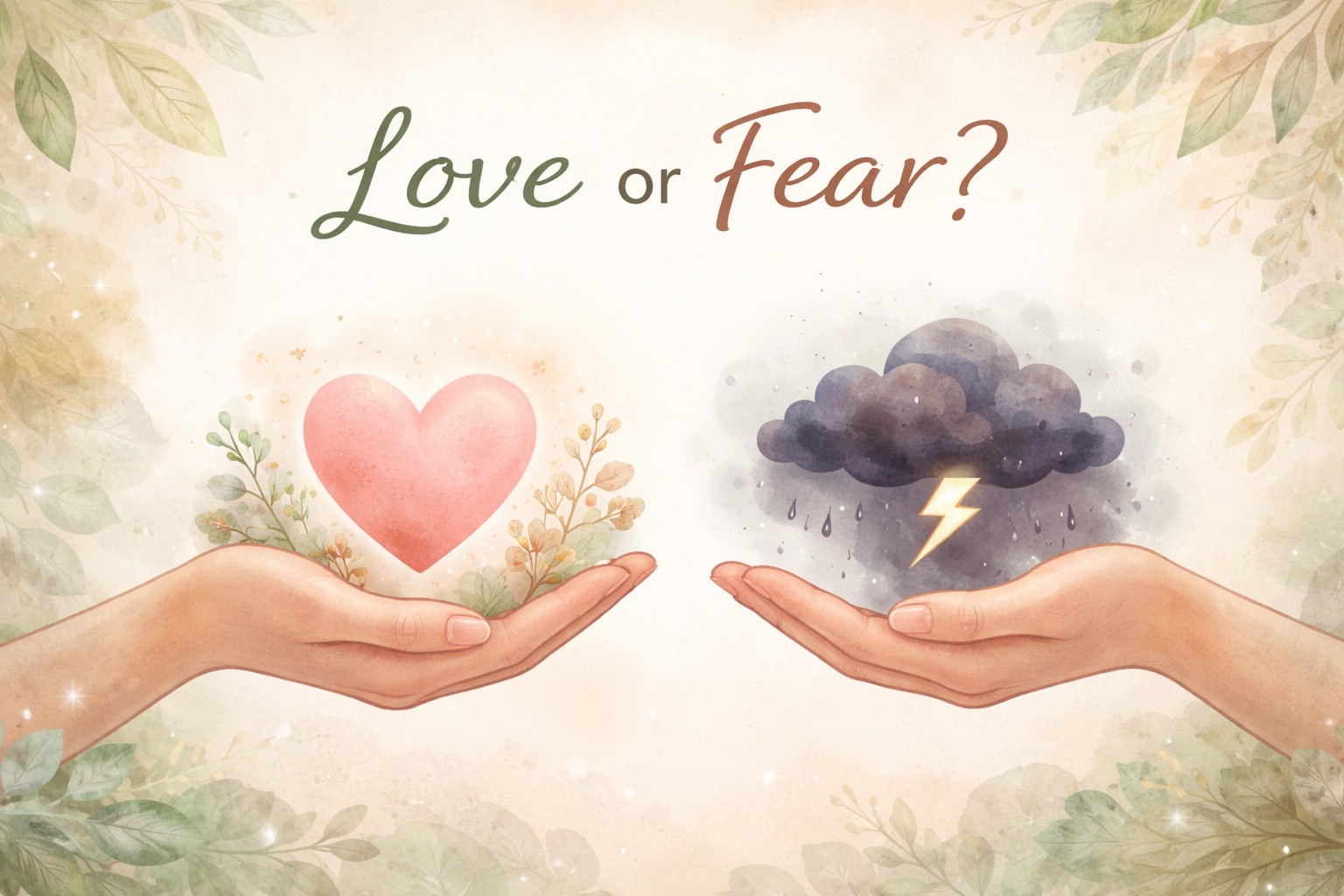
    Love or Fear? The Hidden Force That Shapes Your Life

    Every decision we make comes from one of two places: love or fear. At Zaya Wellness, we often ask our community a simple yet powerful question:
    “Is this choice coming from love, or from fear?”
    This awareness alone can transform your life.
    Understanding Love and Fear
    Love and fear are not just emotions. They are energies that influence your thoughts, actions, and relationships. Love feels open, calm, trusting, and expansive. Fear feels tight, anxious, doubtful, and restrictive. When you choose from love, you grow. When you choose from fear, you shrink. And most of us move through life without realizing which one is driving us.
    How Fear Quietly Controls Our Lives
    Fear is subtle. It does not always look dramatic.
    It can show up as:
    👉🏿 Fear of failure
    👉🏿 Fear of rejection
    👉🏿 Fear of being judged
    👉🏿 Fear of not being good enough
    👉🏿 Fear of change
    👉🏿 Fear of losing control
    Because of fear, we may:
    👉🏿 Stay in unhealthy relationships
    👉🏿 Avoid new opportunities
    👉🏿 Suppress our true feelings
    👉🏿 Overwork to prove our worth
    👉🏿 Say “yes” when we want to say “no”
    Fear keeps us safe — but it also keeps us small. At Zaya Wellness, we believe fear is not your enemy. It is simply a signal that your nervous system is trying to protect you.
    What Choosing Love Really Means
    Choosing love does not mean ignoring reality or pretending everything is perfect.
    It means:
    👉🏿 Responding instead of reacting
    👉🏿 Setting boundaries with kindness
    👉🏿 Trusting your inner wisdom
    👉🏿 Allowing yourself to grow
    👉🏿 Being compassionate toward yourself
    Love expands your breath.
    Love softens your body.
    Love builds connection.

    When you act from love, you feel aligned. Even difficult decisions feel peaceful.
    Love vs Fear in Daily Life
    Here are simple examples:
    👉🏿 Situation: You want to start something new.
    Fear says: “What if I fail?”
    Love says: “What if I grow?”
    👉🏿 Situation: Someone disagrees with you.
    Fear says: “Defend yourself.”
    Love says: “Listen and understand.”
    👉🏿 Situation: You made a mistake.
    Fear says: “You are not enough.”
    Love says: “You are learning.”
    The external situation may be the same. The inner energy is different.

    The Nervous System Connection
    From a wellness perspective, fear activates your fight-or-flight response. Your body tightens. Stress hormones increase. You feel alert or anxious. Love activates your rest-and-digest response. Your body relaxes. Your breathing deepens. You feel safe. Healing begins when your body feels safe.
    At Zaya Wellness, we guide you to create this inner safety through breathwork, mindfulness, body awareness, and emotional healing practices.
    How to Shift from Fear to Love
    Here are simple steps you can practice daily:

    👉🏿 Seek Support
    You do not have to heal alone. Guidance makes the journey easier.
    👉🏿 Why This Awareness Changes Everything
    When you become aware of whether you are acting from love or fear:
    – Your relationships improve
    – Your confidence grows
    – Your anxiety reduces
    – Your decisions become clearer
    – Your life feels more peaceful
    The world does not change overnight. But your inner world does — and that changes everything.
    A Gentle Reflection from Zaya Wellness
    Right now, pause for a moment.
    Think about one situation in your life that feels heavy.
    Ask yourself quietly:
    “What would love do here?”
    That answer — soft, honest, and calm — is your truth.
    At Zaya Wellness, we believe healing begins when you choose love, even in small moments. Because love is not weakness. It is strength guided by awareness.
    Final Thoughts
    Every day, you stand at a crossroads.
    Fear protects.
    Love transforms.

    The choice is yours.

    Pause and Notice
    Before reacting, ask yourself:
    “Am I responding from love or fear?”

    Breathe Deeply
    Slow breathing signals safety to your body.

    Speak Kindly to Yourself
    Replace self-criticism with compassion.

    Take One Small Brave Step
    Love does not require big leaps. Small aligned actions are enough.

    And if you need support in learning how to choose love more often, we at Zaya Wellness are here to walk beside you on your healing journey.
    🌿 Choose gently. Choose consciously. Choose love.

  • 🌿 True Emotions: Understanding Your Inner Truth with Zaya Wellness

    🌿 True Emotions: Understanding Your Inner Truth with Zaya Wellness

    Discover what true emotions really are and how to understand, accept, and express them in a healthy way. Learn how Zaya Wellness guides you toward emotional balance and inner clarity.

    What Are True Emotions?

    True emotions are the natural feelings that arise within us before we judge, suppress, or hide them.

    They are honest.
    They are raw.
    They are signals from our inner self.

    At Zaya Wellness, we believe that true emotions are not weaknesses. They are wisdom. They guide us toward healing, growth, and self-awareness.


    True Emotions vs. Masked Emotions

    Many times, we don’t express what we really feel.

    • We say “I’m fine” when we are hurt.
    • We show anger when we actually feel fear.
    • We laugh when we feel uncomfortable.
    • We stay silent when we need support.

    These are masked emotions.

    True emotions, on the other hand, are the original feelings underneath the mask — sadness, fear, joy, love, disappointment, gratitude, hope.

    When we ignore or suppress them for too long, they can show up as:

    • Stress
    • Anxiety
    • Physical tension
    • Emotional burnout
    • Mood swings

    Listening to your true emotions is the first step toward emotional wellness.


    Why True Emotions Matter for Your Well-being

    Your emotions are deeply connected to your body and mind.

    In holistic wellness practices and Ayurveda, emotions are not separate from physical health. Unexpressed emotions can disturb inner balance and affect your energy.

    When you acknowledge your true emotions:

    ✔️ You reduce internal stress
    ✔️ You improve mental clarity
    ✔️ You strengthen relationships
    ✔️ You build emotional resilience
    ✔️ You feel lighter and more authentic

    At Zaya Wellness, we encourage gentle awareness rather than emotional suppression.


    Signs You Are Disconnecting from Your True Emotions

    You may be avoiding your true feelings if:

    • You constantly distract yourself.
    • You feel numb or emotionally blank.
    • You react strongly to small triggers.
    • You struggle to explain what you feel.
    • You feel tired without clear reason.

    Emotional disconnection is not failure. It is often a protective response.

    The key is not to judge yourself — but to become aware.


    How to Connect with Your True Emotions

    Here are simple practices we recommend at Zaya Wellness:

    1. Pause and Breathe

    Take 5 slow breaths. Ask yourself:
    “What am I truly feeling right now?”

    Do not analyze. Just observe.

    2. Name the Emotion

    Is it sadness? Fear? Hurt? Joy? Guilt?

    Naming emotions reduces their intensity and increases clarity.

    3. Write Without Editing

    Journaling helps you express feelings safely without fear of judgment.

    4. Notice Body Signals

    Emotions live in the body.
    Tight chest? Heavy stomach? Tension in shoulders?

    Your body speaks when your mind avoids.

    5. Allow, Don’t Suppress

    It is okay to feel.
    It is safe to feel.
    Emotions move when they are allowed.


    True Emotions and Healing

    Healing does not mean becoming “positive” all the time.

    Healing means:

    • Feeling fully.
    • Understanding gently.
    • Responding consciously.

    At Zaya Wellness, we guide you toward emotional balance through awareness, breathwork, Ayurvedic principles, and mindful living.

    True emotional health begins when you stop fighting your feelings and start listening to them.


    A Gentle Reminder from Zaya Wellness

    You are not “too sensitive.”
    You are not “overreacting.”
    You are not “weak.”

    Your emotions are your inner compass.

    When you honor your true emotions, you return to your authentic self.

    And that is where real wellness begins.


    🌿 Final Thoughts

    True emotions are not problems to fix — they are messages to understand. When you allow yourself to feel honestly and safely, you create space for inner peace.

    At Zaya Wellness, we walk with you on this journey of emotional clarity, self-acceptance, and holistic healing.

    ✨ If this article resonated with you, take a quiet moment today to sit with your feelings. Your inner self is waiting to be heard.