Category: Natural Healing

  • Ashwagandha: Nature’s Ancient Secret for Stress Relief and Strength

    Ashwagandha: Nature’s Ancient Secret for Stress Relief and Strength

    In today’s fast-paced world, stress, fatigue, and low immunity have become common concerns. Many people are now turning back to traditional herbal remedies for natural healing. One such powerful herb is ashwagandha — an ancient medicinal plant known for its ability to restore balance in the body.

    In this blog, we explore the benefits of ashwagandha, how it works, and why it is often called the “king of Ayurvedic herbs.”


    What is Ashwagandha?

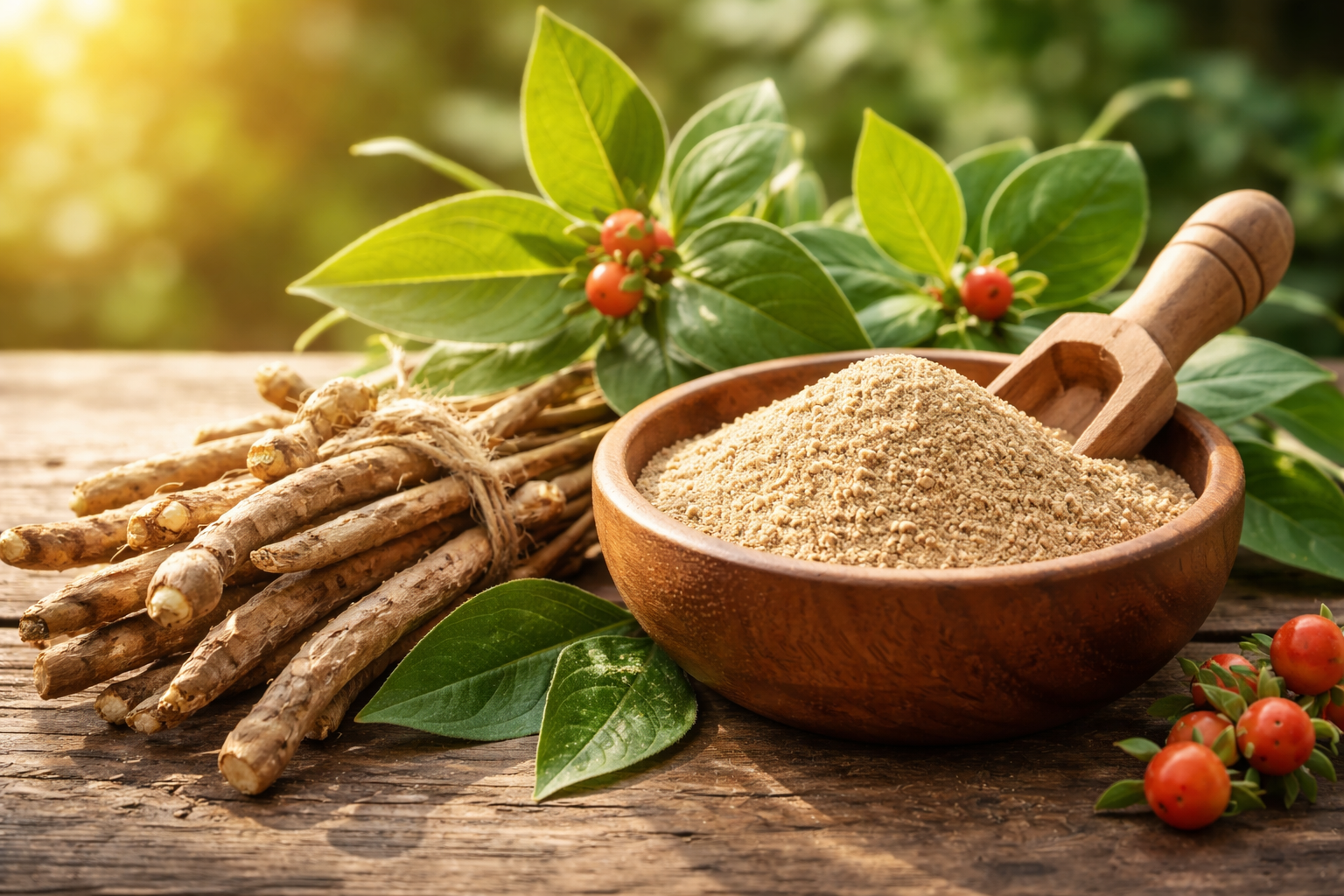
    Withania somnifera, commonly known as ashwagandha, is a small shrub used in Ayurveda for over 3,000 years. The name “ashwagandha” means “smell of a horse,” symbolizing strength and vitality.

    It is classified as an adaptogen — a natural substance that helps the body adapt to stress and maintain balance.


    Health Benefits of Ashwagandha

    1. Reduces Stress and Anxiety

    One of the most well-known benefits of ashwagandha is its ability to lower stress levels. It helps reduce cortisol (the stress hormone) and promotes a sense of calmness. Regular use may support better emotional balance and mental clarity.

    SEO Keywords: ashwagandha for stress, natural stress relief, adaptogenic herbs


    2. Improves Energy and Stamina

    Feeling constantly tired? Ashwagandha may help improve physical endurance and reduce fatigue. It supports adrenal health and boosts overall energy naturally — without the crash that comes from caffeine.

    SEO Keywords: ashwagandha for energy, herbal vitality booster


    3. Supports Better Sleep

    The botanical name somnifera means “sleep-inducing.” Ashwagandha helps calm the nervous system, making it easier to fall asleep and enjoy deeper, more restful sleep.

    SEO Keywords: ashwagandha for sleep, natural sleep support


    4. Enhances Immunity

    Ashwagandha contains powerful antioxidants that support immune health. It helps the body fight infections and promotes overall wellness.

    SEO Keywords: ashwagandha immune support, immunity boosting herbs


    5. Promotes Hormonal Balance

    Ashwagandha may support thyroid function and hormonal balance in both men and women. It is also known to support reproductive health and vitality.

    SEO Keywords: ashwagandha hormone balance, ayurvedic herbs for wellness


    How to Use Ashwagandha

    Ashwagandha is available in different forms:

    • Powder (mixed with warm milk or water)
    • Capsules or tablets
    • Herbal teas
    • Liquid extracts

    The appropriate dosage depends on individual needs. It is always best to consult a healthcare professional before starting any herbal supplement.


    Are There Any Side Effects?

    Ashwagandha is generally safe when taken in recommended amounts. However, pregnant women, people with thyroid disorders, or those on medication should consult a doctor before use.


    Why Choose Ashwagandha?

    In a world filled with synthetic solutions, ashwagandha offers a natural way to restore balance. It does not simply treat symptoms — it supports the body’s ability to heal and strengthen itself.

    When used mindfully, this ancient herb can become a powerful companion for modern wellness.


    Final Thoughts

    Ashwagandha is more than just a herb — it is a symbol of strength, resilience, and natural healing. Whether you are looking to reduce stress, boost energy, improve sleep, or enhance overall well-being, ashwagandha may be the gentle yet powerful support your body needs.

    If you’re considering adding ashwagandha to your wellness routine, start slowly, stay consistent, and choose high-quality products for best results.
  • Sacred Sage: The Ancient Herb for Purification, Healing & Inner Balance

    Sacred Sage: The Ancient Herb for Purification, Healing & Inner Balance

    In a world where stress, negativity, and pollution surround us, nature offers gentle yet powerful remedies. One such timeless gift is sage — an aromatic herb known for its cleansing, healing, and spiritual benefits.

    At Zaya Wellness, we believe in reconnecting with traditional plant wisdom in simple, practical ways. Let us explore how sage can support your body, mind, and space naturally.


    What Is Sage?

    https://images.openai.com/static-rsc-3/CRa4uzff58l-HulaGYZQUcIACQcLDez9oMyL5DKIITLlORJkt7u73yFEquW6zUyhO6UzIBPK31nDaOUH-yEVozAMetk8_VPBfpgAK29PEiY?purpose=fullsize&v=1
    https://images.openai.com/static-rsc-3/XbfhVwrFUKvf8b-SZj3DxuKjQyqDZTn_-BnTARM7nSXuqKsUCXTl7Tcxew8GzaN55zxoTx_02CYD1l92_l-DCXbSKPWAjUWTrFp4flOQ4OM?purpose=fullsize&v=1
    https://images.openai.com/static-rsc-3/8dP4zBQOWIMl3OcdnLZqoZ5AtK2ZGl_Y-mgb1iPj91haWcVZrS7lSVCkSi48bQMFgFyJIcsmYXj6VfaHSR6Y5w3j6uqj_UHStVLZMS63zeM?purpose=fullsize&v=1

    Sage is a fragrant herb that belongs to the mint family. The most common variety used for cooking and healing is Salvia officinalis, also known as common sage. Another popular variety is white sage, traditionally used for energy cleansing rituals.

    For centuries, different cultures have used sage for:

    • Physical healing
    • Mental clarity
    • Spiritual purification
    • Space cleansing

    Its earthy aroma instantly creates a feeling of calm and grounding.


    Health Benefits of Sage

    1. Supports Immunity

    Sage contains antioxidants and antibacterial properties that help protect the body from infections and inflammation.

    2. Improves Digestion

    Drinking sage tea can soothe bloating, gas, and indigestion. It gently supports gut health.

    3. Enhances Memory & Focus

    Studies suggest that sage may improve brain function, concentration, and memory. This makes it a helpful herb for mental clarity.

    4. Natural Stress Relief

    The calming aroma of sage can reduce stress and anxiety. It helps balance the nervous system and promote relaxation.

    5. Hormonal Support

    Sage has traditionally been used to ease menopausal symptoms like hot flashes and mood swings.


    Sage for Energy Cleansing (Smudging)

    https://images.openai.com/static-rsc-3/HsG4GbNjkkF-qr0D10Q6vRlboaxzBlJrvbBfFEhFWnD7KRorojegZ5A5UG0PJYf_k_8N8QYbtr6xpWy9dd75d46UPTnXq-v3xka3lAVJTH0?purpose=fullsize&v=1
    https://images.openai.com/static-rsc-3/5kZYxVKAOFwzPAOjODxm2ZKrwABlMtOypdsJwgqw3qpP0qaPdsveLt8BNZkulIgAaRAyNYbLkVuF0dggWydkY-wWRkxrg80Vvc0M96y7cs4?purpose=fullsize&v=1
    https://purethoughts.co.uk/cdn/shop/articles/bp-beginners-guide-smudging-home_1.jpg?v=1627507341

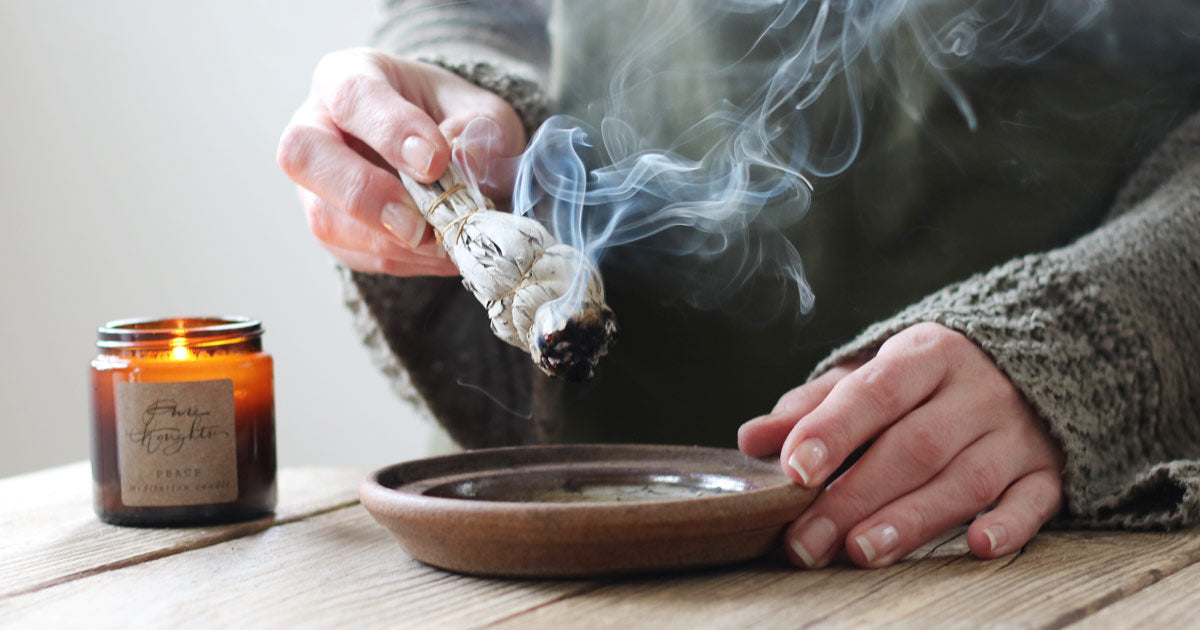
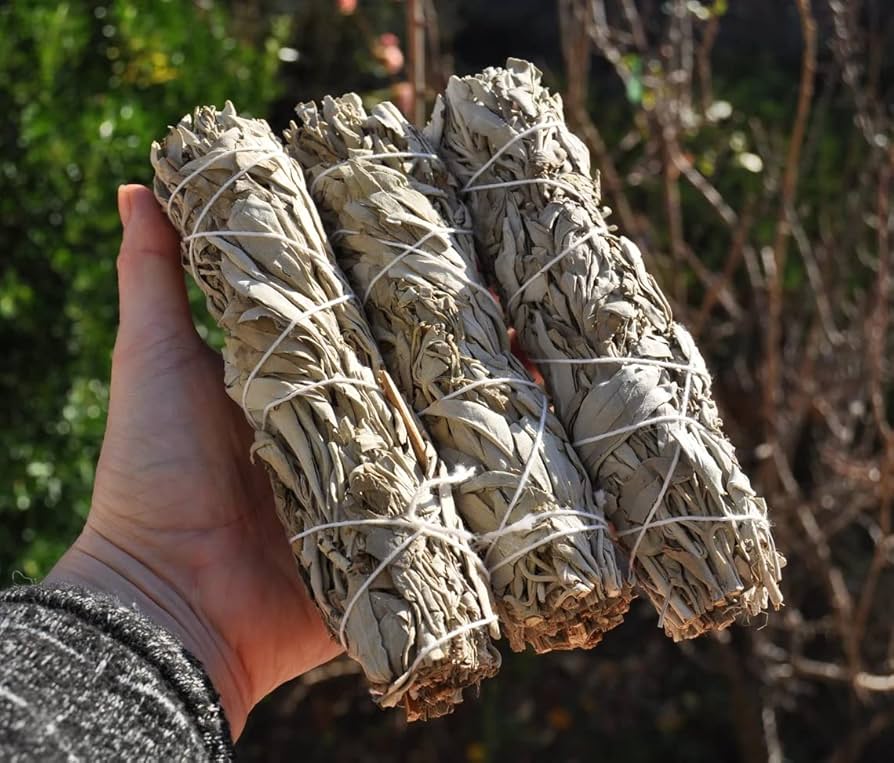
    One of the most popular uses of sage today is smudging — the practice of burning dried sage to cleanse negative energy.

    When sage leaves are burned:

    • The smoke is believed to purify the environment
    • It may reduce airborne bacteria
    • It creates a peaceful atmosphere

    To use sage for cleansing:

    1. Light the tip of the sage bundle.
    2. Let it burn for a few seconds.
    3. Gently blow out the flame and allow the smoke to spread.
    4. Move around your space mindfully.

    Always ensure proper ventilation and fire safety.


    How to Use Sage in Daily Life

    Here are simple ways to include sage in your wellness routine:

    • 🌿 Sage Tea: Steep fresh or dried leaves in hot water for 5–10 minutes.
    • 🌿 Cooking: Add sage to soups, vegetables, or herbal blends.
    • 🌿 Aromatherapy: Use sage essential oil in a diffuser.
    • 🌿 Energy Rituals: Burn dried sage to refresh your home’s energy.

    Precautions to Keep in Mind

    While sage is generally safe, avoid excessive consumption. Pregnant women and individuals with medical conditions should consult a healthcare professional before using medicinal herbs regularly.


    Why Sage Aligns with Holistic Wellness

    At Zaya Wellness, we encourage mindful living rooted in nature. Sage is not just an herb — it is a reminder that healing does not always come from complexity. Sometimes, it comes from something as simple as a leaf.

    When used with awareness and gratitude, sage becomes more than a plant — it becomes a tool for balance, clarity, and renewal.


    Final Thoughts

    Whether you are seeking physical health, emotional calm, or energetic purification, sage offers a natural and gentle path. In today’s fast-moving world, reconnecting with ancient plant wisdom can bring us back to center.

    Let nature guide you. Let sage cleanse you. Let balance return naturally.

  • Golden Healer: The Powerful Health Benefits of Turmeric for Everyday Wellness

    Golden Healer: The Powerful Health Benefits of Turmeric for Everyday Wellness

    Turmeric is more than just a bright yellow spice in your kitchen. Known as the “Golden Healer,” turmeric has been used for centuries in traditional wellness practices for its powerful healing properties. Today, modern science also supports many of its health benefits.

    In this blog, let us explore the health benefits of turmeric, how to use it daily, and why this ancient spice deserves a place in your wellness routine.


    What is Turmeric?

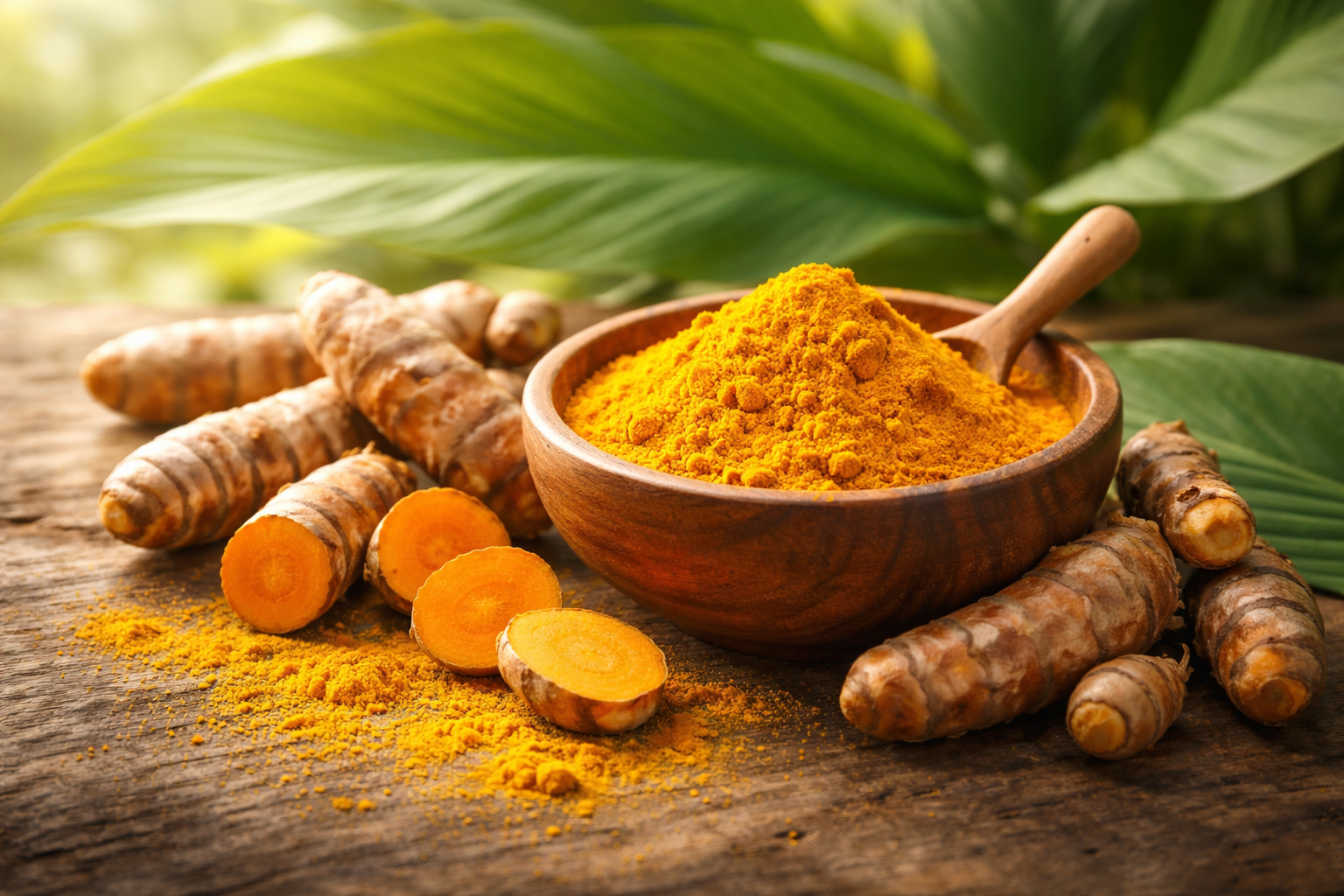
    Turmeric comes from the root of the plant called Curcuma longa. It belongs to the ginger family and is widely grown in India and other parts of Asia. The bright yellow color of turmeric comes from a natural compound called curcumin, which is responsible for most of its healing benefits.

    Turmeric has been used in traditional systems like Ayurveda for thousands of years to support digestion, immunity, skin health, and overall balance in the body.


    Top Health Benefits of Turmeric

    1. Powerful Anti-Inflammatory Properties

    Chronic inflammation is linked to many health issues. Curcumin in turmeric helps reduce inflammation naturally. This makes turmeric beneficial for people dealing with joint pain, muscle soreness, and stiffness.


    2. Boosts Immunity Naturally

    Turmeric supports your immune system by fighting harmful bacteria and viruses. Adding turmeric to your daily diet can help your body stay strong, especially during seasonal changes.


    3. Supports Digestive Health

    Turmeric stimulates bile production, which helps in better digestion. It may reduce bloating, gas, and discomfort. Many people drink warm turmeric water in the morning to improve gut health.


    4. Promotes Healthy Skin

    Turmeric is widely used in natural skincare. It helps reduce acne, brighten skin, and calm irritation due to its antibacterial and anti-inflammatory properties. Turmeric face masks are a popular home remedy for glowing skin.


    5. Supports Joint and Bone Health

    People experiencing joint discomfort often benefit from turmeric supplements. Its anti-inflammatory nature may help improve flexibility and reduce pain over time.


    6. May Improve Brain Health

    Curcumin may support brain function by improving memory and concentration. Research suggests it may also help protect against age-related cognitive decline.


    How to Use Turmeric Daily

    Here are some simple ways to include turmeric in your routine:

    • Add ½ teaspoon to warm milk (Golden Milk)
    • Mix in warm water with lemon and honey
    • Use in curries, soups, and rice dishes
    • Add a pinch to smoothies
    • Apply turmeric paste for skin care

    Tip: Curcumin is better absorbed when taken with black pepper. The compound piperine in black pepper improves absorption significantly.


    Is Turmeric Safe?

    Turmeric is generally safe when used in food amounts. However:

    • Avoid high doses without medical advice.
    • Pregnant women and people with gallbladder issues should consult a healthcare provider.
    • Always choose high-quality, pure turmeric powder.

    Final Thoughts

    Turmeric is truly a golden gift from nature. From boosting immunity to supporting digestion and glowing skin, its benefits are impressive. By adding turmeric to your daily wellness routine, you take a simple yet powerful step toward better health.

    Nature has always provided healing tools — and turmeric is one of its brightest treasures.

  • Reading Between the Lines: The Hidden Language of Emotions

    Reading Between the Lines: The Hidden Language of Emotions

    In our daily lives, we hear many words. But have you noticed that sometimes what people don’t say speaks louder than what they actually say?

    At Zaya Wellness, we believe that true emotional intelligence begins when you learn the art of reading between the lines. This skill can transform your relationships, improve communication, and deepen your self-awareness.

    Let’s understand what it really means and how you can practice it.


    What Does “Reading Between the Lines” Mean?

    Reading between the lines means understanding the hidden emotions, intentions, or feelings behind someone’s words.

    For example:

    • When someone says, “I’m fine,” but avoids eye contact.
    • When a partner says, “It’s okay,” but their tone sounds hurt.
    • When a colleague says, “No worries,” but their body language feels tense.

    The real message often lies in:

    • Tone of voice
    • Facial expressions
    • Body language
    • Silence

    Words are just one part of communication. Emotions complete the sentence.


    Why Is It Important in Relationships?

    Strong relationships are built on understanding — not assumptions.

    When you learn to read between the lines:

    • You respond with empathy instead of reacting defensively.
    • You notice emotional needs before they turn into conflicts.
    • You create deeper emotional safety.

    At Zaya Wellness, we often remind our clients:
    “Listen to understand, not just to reply.”

    Many conflicts happen not because of what was said — but because of what was felt and never addressed.


    The Emotional Side of Communication

    Sometimes people don’t say what they truly feel because:

    • They fear rejection.
    • They don’t want to hurt you.
    • They don’t fully understand their own emotions.
    • They were never taught how to express feelings.

    This is where emotional awareness becomes powerful.

    Instead of asking:
    “Why did they say that?”

    Try asking:
    “What might they be feeling right now?”

    This small shift changes everything.


    How to Practice Reading Between the Lines

    Here are simple steps you can start using today:

    1. Observe Without Judging

    Pay attention to tone, pauses, and body language. Notice changes without immediately creating a story in your mind.

    2. Ask Gentle Questions

    Instead of assuming, ask:

    • “You seem a little quiet today. Is everything okay?”
    • “I feel like something is bothering you. Would you like to talk?”

    This creates emotional space.

    3. Listen Fully

    Don’t interrupt. Don’t prepare your answer while the other person is speaking. Just listen.

    4. Check Your Own Emotions

    Sometimes we misread situations because of our own fears or past experiences. Self-awareness helps you respond clearly.


    Reading Between the Lines in Yourself

    This skill is not only for understanding others. It is also about understanding yourself.

    When you say:
    “I’m just tired.”

    Are you really tired?
    Or are you overwhelmed? Hurt? Disappointed?

    At Zaya Wellness, we guide individuals to pause and reflect on their inner dialogue. Many emotional wounds stay unhealed because we ignore what lies beneath our own words.


    The Balance: Don’t Overthink Everything

    Reading between the lines does not mean overanalyzing every sentence. It means becoming emotionally aware — not suspicious.

    Healthy communication also requires clarity. If something is unclear, ask. Don’t guess.


    Final Thoughts

    The art of reading between the lines is a powerful emotional skill. It builds trust, reduces misunderstandings, and strengthens connections — whether in relationships, family, friendships, or even at work.

    At Zaya Wellness, we believe healing and growth begin when we truly listen — not just to words, but to emotions.

    Because sometimes, the real message is hidden in the silence.


    If you would like, I can also generate a realistic featured image concept for this article that matches the emotional tone 🌿

  • Life Is What You Make It: Take Charge of Your Inner World

    Life Is What You Make It: Take Charge of Your Inner World

    At Zaya Wellness, we truly believe in one powerful truth — life is what you make it.

    Two people can go through the same situation, yet experience it completely differently. Why? Because life is not just about what happens to us. It is about how we respond, how we think, and how we choose to grow.

    In this article, we want to help you understand how your mindset, habits, and emotional awareness shape your reality.


    What Does “Life Is What You Make It” Really Mean?

    The phrase “life is what you make it” is not about ignoring problems or pretending everything is perfect. It means:

    • You cannot control everything that happens.
    • But you can control your attitude, reactions, and choices.
    • Your inner world shapes your outer experience.

    When you change the way you see things, things begin to change.

    At Zaya Wellness, we guide our clients to shift from feeling like a victim of circumstances to becoming a conscious creator of their lives.


    How Your Mindset Shapes Your Life

    Your thoughts are powerful.

    If you constantly think:

    • “Nothing works for me.”
    • “I am unlucky.”
    • “Why does this always happen to me?”

    Your mind starts looking for proof to support those beliefs.

    But if you choose to think:

    • “This is a lesson.”
    • “I can handle this.”
    • “What can I learn from this?”

    You begin to grow stronger emotionally.

    Your mindset influences your:

    • Relationships
    • Career growth
    • Health habits
    • Emotional well-being

    In simple words, your perspective becomes your reality.


    5 Simple Ways to Make Life Better

    Here are practical steps we recommend at Zaya Wellness:

    1. Take Responsibility for Your Emotions

    Blaming others keeps you stuck. Owning your emotions gives you power. Ask yourself, “How can I respond better?”

    2. Practice Self-Awareness

    Notice your thoughts. Are they helping you or hurting you? Awareness is the first step to change.

    3. Choose Growth Over Comfort

    Every challenge carries a lesson. Instead of asking “Why me?”, ask “What now?”

    4. Surround Yourself with Positive Energy

    Your environment affects your mindset. Choose people and spaces that uplift you.

    5. Practice Gratitude Daily

    Gratitude shifts your focus from what is missing to what is present. Even small appreciation changes your emotional state.


    Life Is Not Perfect — But It Can Be Meaningful

    “Life is what you make it” does not mean life will always be easy. It means you always have a choice in how you experience it.

    At Zaya Wellness, we believe emotional balance, conscious choices, and inner clarity are the real foundations of a fulfilling life.

    When you take charge of your thoughts, heal your emotional patterns, and act with awareness — life slowly transforms.


    Final Thoughts

    You may not control every event.
    You may not control other people.
    But you always control your response.

    And that response… shapes your life.

    At Zaya Wellness, we are here to support you in building a life that feels balanced, meaningful, and emotionally strong — because truly, life is what you make it.

  • Ginger: The Everyday Super Root for Immunity, Digestion & Natural Healing

    Ginger: The Everyday Super Root for Immunity, Digestion & Natural Healing

    Ginger is one of the most powerful and widely used medicinal roots in the world. Known scientifically as Zingiber officinale, ginger has been used for thousands of years in traditional healing systems like Ayurveda and Chinese medicine.

    At Zaya Wellness, we believe that healing often begins in your kitchen. And ginger is a perfect example of how a simple, natural ingredient can support your body in powerful ways.

    In this blog, let us explore the health benefits of ginger, how to use it daily, and why it deserves a regular place in your wellness routine.


    What is Ginger?

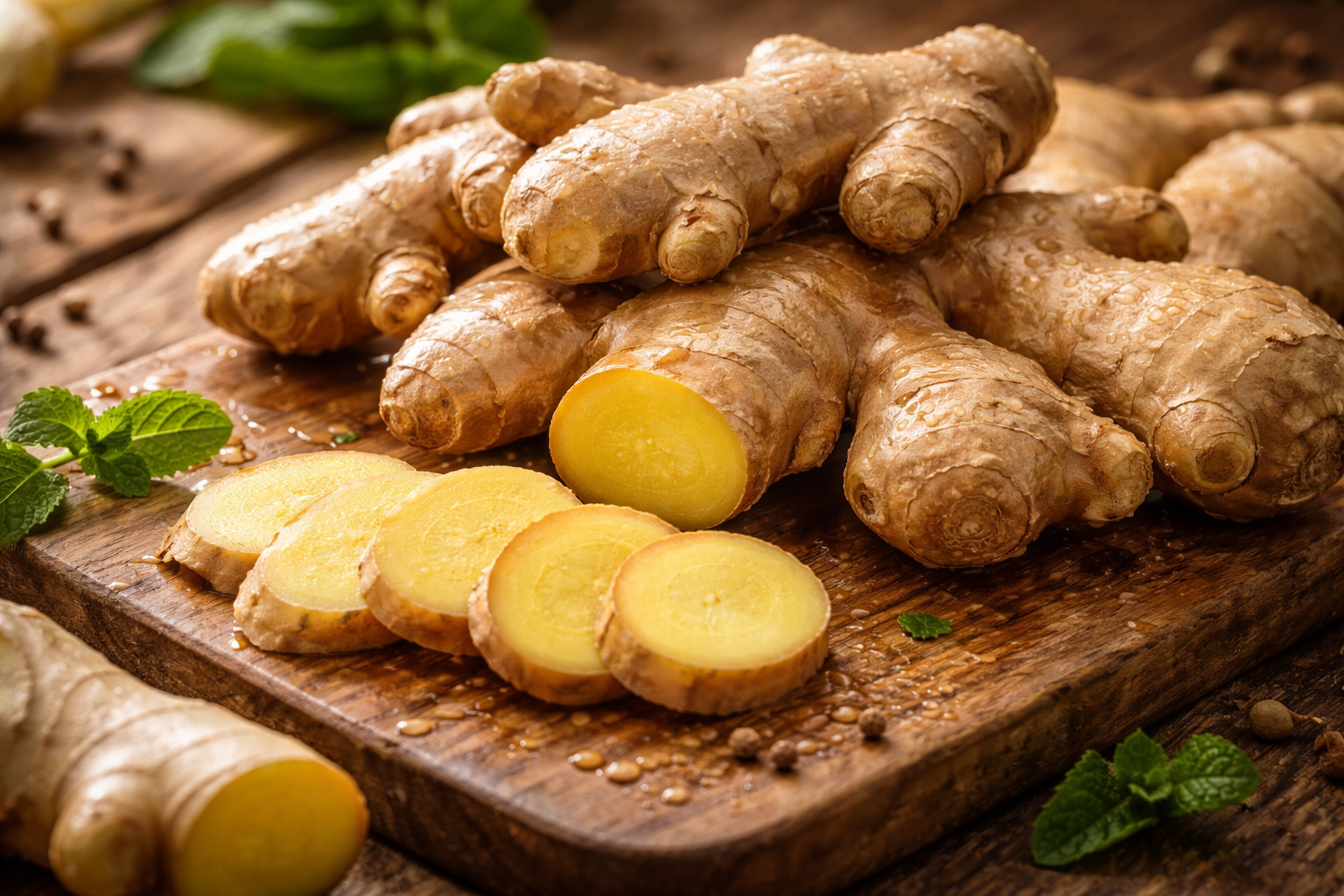
    Ginger is a flowering plant whose root (rhizome) is used as a spice and medicine. It has a warm, slightly spicy taste and is rich in natural compounds called gingerols, which give it its healing properties.

    Because of its strong anti-inflammatory and antioxidant effects, ginger is considered a natural remedy for many common health concerns.


    Top Health Benefits of Ginger

    1. Boosts Immunity Naturally

    Ginger helps strengthen your immune system. Its antibacterial and antiviral properties may help protect your body from infections, colds, and flu.

    A simple cup of warm ginger tea during seasonal changes can help keep your body strong and balanced.


    2. Improves Digestion

    Ginger is widely known for supporting digestion. It helps:

    • Reduce bloating
    • Relieve gas
    • Ease indigestion
    • Improve nutrient absorption

    If you often feel heavy after meals, a small piece of ginger or ginger tea can make a noticeable difference.


    3. Reduces Inflammation and Pain

    Chronic inflammation is linked to many health issues. Ginger’s anti-inflammatory properties may help reduce:

    • Joint pain
    • Muscle soreness
    • Menstrual cramps

    It works gently but effectively over time when used regularly.


    4. Helps with Nausea

    Ginger is one of the most trusted natural remedies for nausea. It may help with:

    • Morning sickness
    • Motion sickness
    • Post-meal discomfort

    Many people find ginger more soothing than chemical alternatives.


    5. Supports Heart Health

    Some studies suggest that ginger may help:

    • Improve blood circulation
    • Lower bad cholesterol
    • Support healthy blood sugar levels

    When combined with a balanced lifestyle, ginger can contribute to overall heart wellness.


    How to Use Ginger Daily

    At Zaya Wellness, we always recommend simple, sustainable habits. Here are easy ways to include ginger in your routine:

    • Add freshly grated ginger to warm water in the morning
    • Brew ginger tea with lemon and honey
    • Use it in soups, curries, and stir-fries
    • Add it to smoothies for a spicy wellness boost

    Tip: Fresh ginger is more potent than powdered ginger.


    Who Should Be Careful?

    Although ginger is generally safe, people who:

    • Take blood-thinning medications
    • Have gallstones
    • Are pregnant (consult a doctor for dosage guidance)

    should speak with a healthcare professional before consuming large amounts.

    Moderation is key — a small amount daily is usually enough.


    Final Thoughts from Zaya Wellness

    Nature provides us with powerful tools for healing, and ginger is one of them. This humble root supports digestion, immunity, inflammation control, and overall vitality.

    At Zaya Wellness, we believe wellness is not complicated. Sometimes, it begins with a simple cup of ginger tea and a conscious decision to care for your body.

    Start small. Stay consistent. Let nature do its work.

  • The Lonely Wolf: Walking Alone, Not Feeling Alone

    The Lonely Wolf: Walking Alone, Not Feeling Alone

    In a world that constantly tells us to belong, to fit in, and to move with the crowd, the idea of being a “lonely wolf” can feel heavy. It often sounds like isolation, sadness, or rejection. But what if the Lonely Wolf is not about loneliness at all? What if it is about strength, self-awareness, and inner freedom?

    At Zaya Wellness, we believe the journey inward is the most powerful journey of all. The concept of the Lonely Wolf can be understood as a deeply philosophical and spiritual path — one that invites self-discovery rather than social withdrawal.


    What Does “Lonely Wolf” Really Mean?

    A Lonely Wolf is not someone who hates people. It is someone who is comfortable walking alone when necessary.

    In philosophy, solitude has always been a sacred space. Great thinkers, sages, and seekers often withdrew from noise to listen to their inner voice. Being a Lonely Wolf means:

    • Choosing authenticity over approval
    • Valuing depth over distraction
    • Seeking truth over temporary validation

    It is not about rejecting society — it is about not losing yourself within it.


    Solitude vs. Loneliness

    There is a big difference between being alone and feeling lonely.

    Loneliness is a painful emotion that comes from disconnection.
    Solitude is a conscious choice that brings clarity and peace.

    The Lonely Wolf embraces solitude to understand:

    • Who am I without roles and labels?
    • What do I truly want?
    • What values guide my life?

    At Zaya Wellness, we often remind our community that healing begins when you can sit with yourself without discomfort.


    The Strength of Walking Alone

    A wolf that walks alone is often seen as powerful, independent, and resilient. Philosophically, the Lonely Wolf represents:

    1. Inner Strength

    When you walk alone, you rely on your inner compass. You build emotional resilience and mental clarity.

    2. Self-Trust

    The Lonely Wolf trusts its instincts. In life, this means trusting your decisions even when they are unpopular.

    3. Deep Awareness

    Solitude sharpens awareness. Without constant noise, you begin to observe your thoughts, patterns, and beliefs more clearly.

    At Zaya Wellness, we see this as the foundation of emotional wellness and spiritual growth.


    The Shadow Side of the Lonely Wolf

    However, there is a caution.

    Independence can turn into isolation. Strength can turn into ego. Solitude can slowly become avoidance.

    A true Lonely Wolf knows when to walk alone and when to reconnect with the pack.

    Philosophically, life is a balance between:

    • Self and community
    • Silence and conversation
    • Independence and interdependence

    Growth happens not in extreme isolation, but in conscious choice.


    Why Many People Feel Like a Lonely Wolf Today

    Modern life encourages comparison and constant connection through technology. Ironically, the more we connect digitally, the more emotionally distant we sometimes feel.

    Many individuals feel like Lonely Wolves because:

    • They think differently
    • They feel deeply
    • They question societal norms
    • They are on a personal growth journey

    If you resonate with this, you are not broken. You may simply be evolving.


    Embracing the Lonely Wolf Within

    At Zaya Wellness, we believe the Lonely Wolf is a phase of awakening. It is a powerful stage of personal transformation.

    To embrace this energy in a healthy way:

    • Practice mindful solitude
    • Journal your thoughts and emotions
    • Spend time in nature
    • Build self-awareness through reflection
    • Stay open to meaningful connections

    Remember — walking alone does not mean you are lost. It often means you are finding your true path.


    Final Reflection: Alone, Yet Whole

    The Lonely Wolf is not a symbol of sadness. It is a symbol of self-realization.

    When you learn to be comfortable in your own presence, you stop seeking constant external validation. You become grounded, calm, and confident.

    At Zaya Wellness, we encourage you to see solitude not as emptiness, but as sacred space. Because sometimes, the strongest souls are the ones who had the courage to walk alone — until they found their true pack.

  • The Illusion of Perfection: Finding Wholeness in Being Human

    The Illusion of Perfection: Finding Wholeness in Being Human

    In today’s fast-moving world, the idea of perfection quietly shapes how we think, act, and even judge ourselves. Perfect bodies. Perfect careers. Perfect relationships. Perfect lives. But at Zaya Wellness, we believe it’s time to pause and ask a deeper question — What does perfection truly mean?

    Is it flawlessness? Or is it something far more human?


    What Is Perfection, Really?

    Perfection is often described as a state without flaws. A finished masterpiece. A complete and ideal form. Yet, when we look at nature, we see something different.

    The ocean waves are never identical.
    The moon has marks and shadows.
    Trees grow in unique, uneven shapes.

    And still, we call them beautiful.

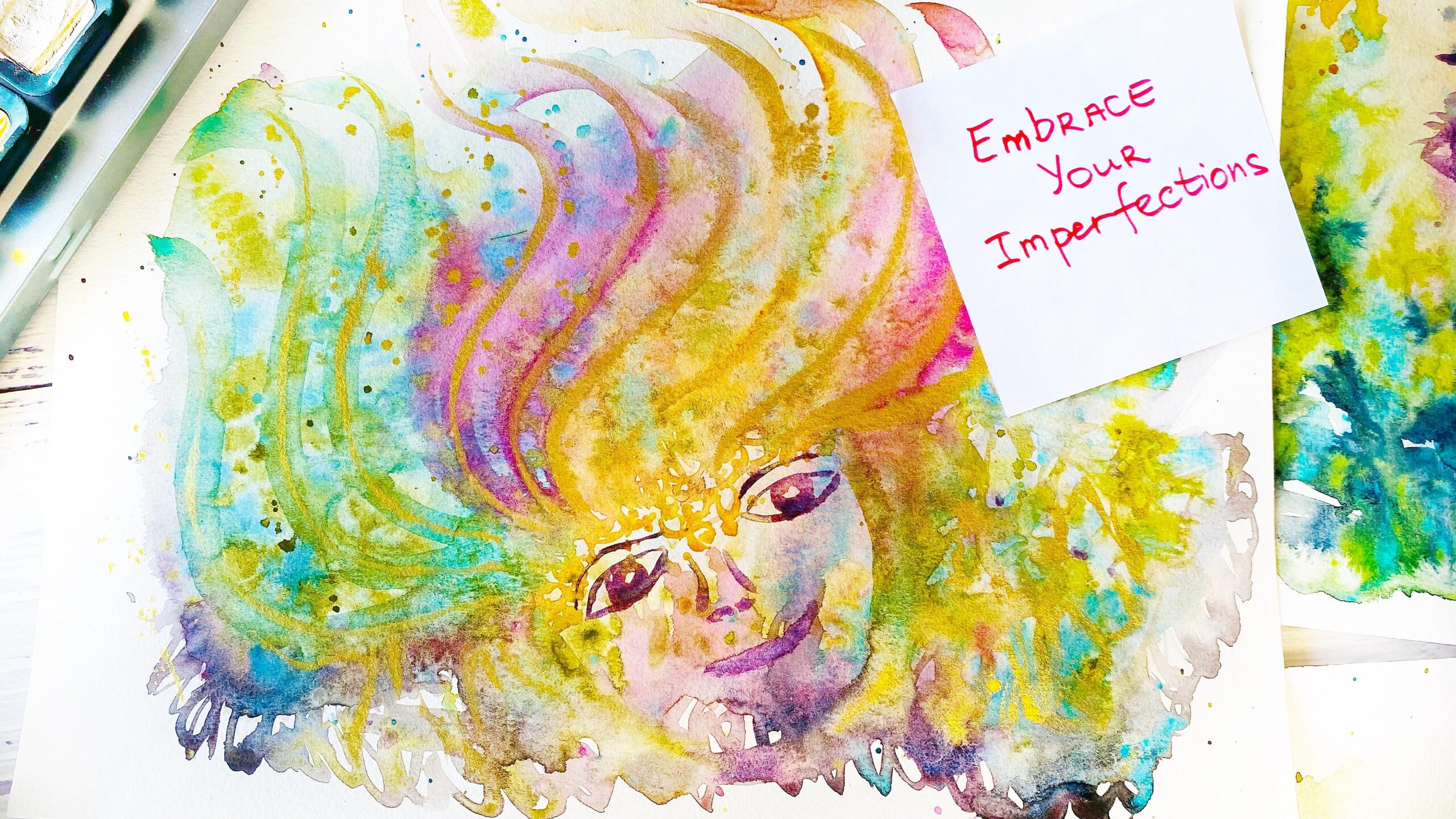
    Perhaps perfection is not about being flawless. Perhaps it is about being authentic.


    The Pressure of Being Perfect

    In modern society, perfection has become a silent burden. Social media shows filtered realities. Productivity culture glorifies constant achievement. We begin to believe that anything less than perfect is failure.

    This pressure can affect our:

    • Mental health
    • Self-esteem
    • Relationships
    • Inner peace

    At Zaya Wellness, we often meet individuals who feel exhausted by chasing an ideal that constantly shifts. The truth is, perfectionism can disconnect us from joy. When we focus only on what is missing, we forget to appreciate what is present.


    The Philosophy of Imperfection

    Philosophically speaking, perfection may not lie in flawless outcomes but in complete acceptance.

    A cracked pot still carries water.
    A scar tells a story of healing.
    A mistake becomes wisdom.

    Imperfections are not weaknesses. They are signs of growth.

    When we accept our flaws, we create space for self-compassion. And self-compassion is one of the strongest foundations of emotional wellness.


    Perfection vs. Progress

    There is a powerful difference between striving for excellence and demanding perfection.

    • Excellence encourages growth.
    • Perfectionism demands impossibility.

    Excellence says, “Do your best.”
    Perfectionism says, “Your best is never enough.”

    At Zaya Wellness, we encourage progress over perfection. Healing is not linear. Growth is not symmetrical. Life is not a straight line — and that is what makes it meaningful.


    The Beauty of Being Whole

    True perfection may actually mean wholeness.

    Wholeness includes:

    • Strength and vulnerability
    • Confidence and doubt
    • Success and failure

    When we allow ourselves to be fully human, we experience deeper freedom. We stop performing and start living.

    Perfection is not a destination. It is not a flawless image. It is a quiet acceptance of who we are in this moment.


    How to Release the Need for Perfection

    If you often feel trapped by perfectionism, here are gentle practices we recommend at Zaya Wellness:

    1. Practice Self-Awareness – Notice when your inner critic becomes too loud.
    2. Redefine Success – Focus on effort, not just results.
    3. Allow Mistakes – Growth always includes learning.
    4. Celebrate Small Wins – Progress deserves recognition.
    5. Practice Mindfulness – Stay present instead of chasing an ideal future.

    Final Thoughts: Perfection Is a Myth, Presence Is Power

    Perfection, as society defines it, may always remain out of reach. But peace, growth, and self-acceptance are within our grasp.

    At Zaya Wellness, we believe that true wellness begins when we stop trying to be perfect and start choosing to be present. You are not a project to fix. You are a journey to experience.

    And perhaps, in that acceptance, lies the most beautiful form of perfection.

  • When Prayers Feel Delayed: Trusting Divine Timing and Finding Inner Peace

    When Prayers Feel Delayed: Trusting Divine Timing and Finding Inner Peace

    In moments of difficulty, uncertainty, or longing, we turn to prayer. We speak from the heart. We surrender our worries. We ask for guidance, healing, success, love, or clarity.

    But what happens when the answers don’t come immediately?

    At Zaya Wellness, we believe that delayed answers to prayers are not denials — they are divine redirections. Understanding this truth can transform frustration into faith and impatience into inner peace.

    Let’s explore the deeper spiritual meaning behind delayed prayers.


    🌿 Why Do Prayers Sometimes Feel Unanswered?

    Many of us have experienced this:

    You pray sincerely.
    You wait.
    And nothing seems to change.

    Spiritually speaking, there are powerful reasons why answers may be delayed.

    1. Divine Timing Is Different from Human Timing

    We live by calendars and deadlines. The universe works through divine timing.

    What we want today may not be aligned with what is best for us right now. Sometimes life needs to prepare us before we receive what we are asking for.

    A delayed answer often means:

    • You are being prepared.
    • The situation is being aligned.
    • Something better is unfolding.

    At Zaya Wellness, we remind our community that trust in divine timing is a powerful spiritual practice.


    2. Growth Happens in the Waiting

    Waiting is uncomfortable — but it is deeply transformative.

    During delays, we develop:

    • Patience
    • Emotional strength
    • Faith
    • Self-awareness

    Sometimes the real blessing is not the outcome, but who we become while waiting for it.

    When prayers are delayed, ask yourself:
    “What is this phase teaching me?”


    3. Protection in Disguise

    Not every answered prayer would truly serve us.

    There are times when what we desire may bring challenges we are not yet ready to face. A delay can be divine protection — shielding us from unseen difficulties.

    Spiritually, this reflects a powerful truth:
    Rejection and delay can be redirection.


    4. A Call to Deeper Alignment

    Delayed prayers often invite us to look within.

    Are we aligned with:

    • Our highest self?
    • Our true purpose?
    • Our authentic desires?

    Sometimes we pray for outcomes, but the universe wants to guide us toward transformation.

    At Zaya Wellness, we encourage mindfulness practices like meditation, journaling, and breathwork to reconnect with inner alignment during periods of waiting.


    🌸 How to Stay Spiritually Strong During Delays

    If you are currently waiting for an answer to your prayers, here are gentle spiritual reminders:

    ✨ Strengthen Faith Through Gratitude

    Gratitude shifts your focus from what is missing to what is already present.

    ✨ Release Control

    Trust that not everything needs to be forced. Surrender brings peace.

    ✨ Continue Taking Inspired Action

    Faith is not passive. Keep showing up for your goals while trusting the outcome.

    ✨ Stay Connected to Your Spiritual Practice

    Prayer, meditation, affirmations, and silence keep your heart steady.


    🌼 A Gentle Truth to Remember

    Sometimes the answer to your prayer is:

    • Yes — but not yet.
    • Yes — but in a different way.
    • Yes — but something better is coming.

    Delayed answers are often part of a bigger spiritual design — one that we may only understand in hindsight.


    🌺 Final Thoughts from Zaya Wellness

    At Zaya Wellness, we believe that every prayer is heard. Every tear is seen. Every longing matters.

    When answers feel delayed, do not lose hope. The waiting period is sacred. It is shaping you, strengthening you, and guiding you toward something aligned with your highest good.

    Trust the process.
    Trust the timing.
    Trust the journey.

    Your blessings are unfolding — even now.

  • Psychic or Psycho? Understanding Intuition vs Mental Health — The Zaya Wellness Perspective

    Psychic or Psycho? Understanding Intuition vs Mental Health — The Zaya Wellness Perspective

    In today’s world, people often use words like “psychic” and “psycho” very casually. Sometimes, when someone talks about energy, intuition, or sensing something deeply, they are called psychic. Other times, when someone behaves emotionally or unpredictably, they are labeled as psycho.

    But are these terms understood correctly?

    At Zaya Wellness, we believe clarity creates healing. Let us explore the difference between intuition and mental health concerns, and why labeling can sometimes do more harm than good.


    What Does “Psychic” Really Mean?

    The word psychic is often used to describe someone who:

    • Feels energy deeply
    • Has strong intuition
    • Senses things before they happen
    • Is emotionally sensitive

    In many spiritual traditions, intuition is considered a natural human ability. It is that inner voice that guides you. It is not magic. It is awareness.

    However, sometimes intense emotional experiences, anxiety, trauma responses, or overthinking can be mistaken for intuition. Not every strong feeling is a psychic insight.

    At Zaya Wellness, we guide people to ask:

    “Is this calm inner knowing, or is this fear speaking?”

    True intuition feels steady and peaceful. Fear feels urgent and loud.


    What Does “Psycho” Mean?

    The word psycho is often used casually to describe someone who is emotionally unstable or behaving aggressively. But this term is hurtful and insensitive.

    Mental health challenges such as anxiety, depression, bipolar disorder, or trauma responses are real medical and psychological conditions. They are not personality flaws.

    Calling someone “psycho” creates stigma. It stops people from seeking help. It increases shame.

    At Zaya Wellness, we promote compassion over judgment.


    Intuition vs Mental Health: How to Know the Difference

    Here are some simple differences:

    IntuitionEmotional Distress
    Feels calm and clearFeels overwhelming and chaotic
    Comes without panicComes with fear or anxiety
    Does not disturb sleepDisturbs daily functioning
    Feels groundedFeels disconnected from reality

    If your experiences are:

    • Causing fear
    • Affecting sleep
    • Creating relationship problems
    • Making daily life difficult

    It is important to seek professional support.

    There is no shame in therapy. There is strength in awareness.


    Why Labels Can Be Dangerous

    Using words like “psychic” or “psycho” without understanding can:

    • Create confusion
    • Increase stigma around mental health
    • Encourage spiritual bypassing
    • Prevent proper treatment

    At Zaya Wellness, we believe in balance. Spiritual growth and psychological stability go hand in hand.

    Being intuitive does not mean ignoring mental health.
    Having mental health struggles does not mean you are “crazy.”


    The Zaya Wellness Approach

    We help our clients:

    • Develop grounded intuition
    • Build emotional awareness
    • Heal trauma safely
    • Understand the difference between fear and inner wisdom

    We believe that true spirituality feels peaceful.
    True healing feels stable.

    If something feels overwhelming, confusing, or frightening — it is not a “gift.” It is a sign that support is needed.


    Final Thoughts: Choose Awareness Over Labels

    Instead of asking, “Am I psychic or psycho?”
    Ask:

    • Am I regulated or overwhelmed?
    • Am I grounded or anxious?
    • Do I feel peace or panic?

    Your mind and your spirit deserve respect.

    At Zaya Wellness, we encourage conscious living, mental health awareness, and compassionate understanding. Because healing begins when judgment ends.