Tag: holistic

  • Possessiveness: Is It Love or Fear in Disguise?

    Possessiveness: Is It Love or Fear in Disguise?

    At Zaya Wellness, we often meet people who say, “I am just possessive because I love deeply.”
    But is possessiveness really love? Or is it something else hiding beneath it?

    Let us gently explore this emotion together.


    What is Possessiveness?

    Possessiveness is the strong desire to control, claim, or “own” someone or something. It often shows up in close relationships — romantic partners, friendships, family bonds, and sometimes even in parenting.

    It may look like:

    • Feeling uncomfortable when your partner talks to others
    • Constantly checking where someone is
    • Getting anxious if they spend time away from you
    • Wanting exclusive attention
    • Feeling threatened easily

    On the surface, it may appear as deep attachment or intense love. But emotionally, possessiveness is usually rooted in fear, not love.


    The Psychology Behind Possessiveness

    From a mental health perspective, possessiveness often comes from:

    1. Fear of Abandonment

    Somewhere inside, there is a belief: “What if they leave me?”

    2. Low Self-Worth

    When we do not fully value ourselves, we fear being replaced.

    3. Past Emotional Wounds

    Childhood neglect, betrayal, or broken trust can create insecurity in adult relationships.

    4. Attachment Patterns

    Anxious attachment styles tend to create clinginess and emotional dependency.

    At Zaya Wellness, we believe possessiveness is not a character flaw — it is an unhealed emotional wound asking for attention.


    Possessiveness vs. Healthy Love

    Healthy love says:

    • “I trust you.”
    • “You are free to be yourself.”
    • “I choose you, not control you.”

    Possessiveness says:

    • “You are mine.”
    • “Don’t talk to others.”
    • “I feel unsafe when I’m not in control.”

    Love creates freedom.
    Fear creates control.

    When love becomes controlling, it slowly suffocates both people.


    How Possessiveness Affects Relationships

    If not understood, possessiveness can lead to:

    • Frequent arguments
    • Emotional exhaustion
    • Loss of individuality
    • Trust issues
    • Codependency
    • Anxiety and stress

    Over time, the relationship may feel heavy rather than nurturing.


    How to Heal Possessiveness

    Healing begins with awareness. If you notice possessiveness in yourself, do not judge yourself. Instead, gently reflect.

    At Zaya Wellness, we suggest:

    🌿 1. Build Self-Worth

    Work on your identity outside the relationship.
    What makes you you?

    🌿 2. Strengthen Emotional Security

    Practice grounding techniques, breathing exercises, and self-soothing habits.

    🌿 3. Communicate Openly

    Instead of accusing, say:
    “I feel insecure when… Can we talk about it?”

    🌿 4. Heal Inner Child Wounds

    Often, possessiveness is a younger version of you asking for reassurance.

    🌿 5. Practice Trust

    Trust is not built by control. It is built by consistency and communication.


    A Gentle Truth

    If you love someone, you do not need to cage them.

    True connection grows in safety, not restriction.

    Possessiveness is not a sign that you love too much. It may simply mean you are afraid of losing what matters to you.

    And fear can be healed.


    Final Thoughts from Zaya Wellness

    At Zaya Wellness, we believe that emotional growth is the foundation of healthy relationships.

    When we heal our insecurities, love becomes softer, freer, and more secure.
    Possessiveness transforms into trust.
    Fear transforms into confidence.

    If this topic resonates with you, take it as an invitation — not to blame yourself — but to understand yourself more deeply.

    Healing is possible. And love feels lighter when it is secure.

  • Finding True Peace: A Gentle Journey Back to Yourself

    Finding True Peace: A Gentle Journey Back to Yourself

    In today’s fast-moving world, peace often feels distant. We are constantly thinking, planning, worrying, comparing, and rushing. Yet deep within us, there is a quiet space — a place of calm, balance, and stillness.

    At Zaya Wellness, we believe that peace is not something you find outside. It is something you remember within.


    What Is True Peace?

    Peace is not the absence of problems.
    Peace is the ability to remain steady even when life feels uncertain.

    True peace means:

    • A calm mind
    • A relaxed body
    • Balanced emotions
    • A heart free from constant fear and overthinking

    It is not about escaping life. It is about learning to respond to life with awareness.


    Why Is Peace So Important for Our Well-Being?

    When we are not at peace, our body and mind suffer.

    Chronic stress can:

    • Increase stress hormones like cortisol
    • Disturb sleep
    • Affect digestion
    • Create anxiety and mood swings
    • Weaken immunity

    But when we experience inner peace:

    • Our breathing becomes slow and deep
    • Our nervous system relaxes
    • Our heart rate stabilizes
    • Our thoughts become clearer

    Peace supports emotional balance, mental clarity, and physical health.

    At Zaya Wellness, we see peace as the foundation of holistic healing.


    Why Do We Lose Our Peace?

    Many factors disturb our inner calm:

    • Overthinking about the future
    • Holding on to past pain
    • Comparing ourselves to others
    • Unrealistic expectations
    • Lack of self-care
    • Constant digital stimulation

    Often, we search for peace in achievements, relationships, or material success. But external success does not guarantee inner calm.

    Peace begins when we slow down.


    Simple Ways to Cultivate Inner Peace

    You don’t need complicated rituals. Small, consistent steps can create powerful change.

    1. Practice Conscious Breathing

    Slow breathing signals safety to your nervous system. Even 5 minutes of deep breathing daily can reduce stress.

    2. Spend Time in Silence

    Silence helps you reconnect with yourself. Sit quietly without distractions. Let your thoughts settle naturally.

    3. Reduce Mental Clutter

    Limit unnecessary scrolling and overstimulation. Protect your mental space.

    4. Accept What You Cannot Control

    Peace grows when resistance reduces. Acceptance does not mean giving up — it means trusting the process.

    5. Move Your Body Mindfully

    Gentle yoga, walking in nature, or stretching can calm the mind and release stored tension.

    6. Practice Gratitude

    Gratitude shifts your focus from lack to abundance. A peaceful heart is often a grateful heart.


    Peace Is a Daily Practice

    Peace is not a destination. It is a habit.

    Some days will feel calm. Some days will feel heavy. That is natural. The goal is not perfection. The goal is awareness.

    When you begin to choose mindful responses instead of emotional reactions, peace slowly becomes your natural state.

    At Zaya Wellness, we guide individuals to reconnect with their inner balance through mindful practices, breathwork, body awareness, and emotional healing techniques.


    The Spiritual Side of Peace

    From a deeper perspective, peace is your true nature.

    When the mind becomes quiet, you realize that beneath all thoughts and emotions, there is a stable, calm presence.

    That presence is you.

    You are not your stress.
    You are not your fears.
    You are not your racing thoughts.

    You are the awareness behind them.

    And that awareness is peaceful.


    Final Thoughts: Come Back to Yourself

    In a world that constantly pulls your attention outward, choosing peace is an act of self-love.

    At Zaya Wellness, we believe healing begins when you return to your natural state of calm. When your mind slows down, your body heals. When your body relaxes, your emotions settle. When your emotions settle, life flows more gracefully.

    Peace is not far away.

    It is already within you.


    🌿 A Gentle Invitation from Zaya Wellness

    If you are ready to experience deeper calm and emotional balance, we invite you to explore our guided wellness practices and mindful healing sessions.

    Your journey to inner peace begins with one conscious breath.

  • Forgiveness: The Hidden Key to True Healing

    Forgiveness: The Hidden Key to True Healing

    Discover how forgiveness heals the mind, body, and soul – and why it is the foundation of emotional wellness.

    At Zaya Wellness, we often meet people who are doing everything “right” — eating healthy, practicing yoga, meditating — yet they still feel heavy inside. The body may be active, but the heart feels tired.

    Why?

    Because healing is not only physical.
    It is deeply emotional.
    And at the center of emotional healing lies one powerful practice: forgiveness.


    What is Forgiveness, Really?

    Forgiveness does not mean:

    • Saying what happened was okay
    • Forgetting the pain
    • Accepting toxic behavior
    • Reconnecting with someone who hurt you

    Forgiveness means releasing the emotional weight you are carrying because of what happened.

    It is not for the other person.
    It is for you.

    At Zaya Wellness, we believe forgiveness is an inner cleansing process. Just like the body detoxifies, the heart also needs detoxification. And forgiveness is that detox.


    Why Forgiveness is the Crux of Healing

    When we hold onto anger, resentment, guilt, or betrayal, the body responds.

    Unprocessed emotions can:

    • Increase stress hormones
    • Disturb sleep
    • Affect digestion
    • Cause anxiety and mood swings
    • Create muscle tension
    • Lower immunity

    The body remembers what the mind tries to ignore.

    Scientific research shows that chronic emotional stress keeps the nervous system in a constant “fight or flight” mode. This blocks deep healing. But when we forgive, the nervous system begins to relax. The body feels safe again.

    Forgiveness shifts us from survival mode to healing mode.


    Emotional Wounds Become Physical Wounds

    Many people don’t realize this: emotional pain can manifest physically.

    Have you noticed:

    • Tightness in the chest when thinking about someone?
    • A heavy feeling in the stomach?
    • Sudden fatigue after remembering a past event?

    These are not imaginary. They are stored emotional memories.

    At Zaya Wellness, we see forgiveness as a bridge — a bridge between emotional freedom and physical well-being.


    Forgiving Others vs. Forgiving Yourself

    Most people think forgiveness is about others. But sometimes, the hardest person to forgive is ourselves.

    Self-forgiveness means:

    • Letting go of past mistakes
    • Releasing guilt
    • Accepting that you were learning
    • Allowing yourself to grow

    Without self-forgiveness, healing remains incomplete.

    When you forgive yourself, you stop punishing your present for your past.


    How to Begin the Practice of Forgiveness

    Forgiveness is not a one-day decision. It is a process. Here are gentle steps we recommend at Zaya Wellness:

    1. Acknowledge the Pain

    Do not suppress it. Accept that it hurt.

    2. Feel Without Judging

    Allow emotions to arise without labeling them as weak or wrong.

    3. Understand, Don’t Just React

    Sometimes people act from their own wounds. Understanding does not justify their behavior, but it softens your anger.

    4. Decide to Release

    You may need to say it daily:
    “I choose peace over pain.”

    5. Practice Breath and Awareness

    Slow breathing helps calm the nervous system. A relaxed body makes forgiveness easier.


    Forgiveness is Freedom

    When you forgive, you are not freeing someone else.
    You are freeing yourself from emotional imprisonment.

    Forgiveness:

    • Restores inner peace
    • Improves mental clarity
    • Enhances emotional balance
    • Supports physical healing
    • Deepens spiritual growth

    At Zaya Wellness, we believe true healing is not about fixing what is broken. It is about releasing what no longer serves you.

    And forgiveness is the most powerful release.


    A Gentle Reminder from Zaya Wellness

    You deserve peace.
    You deserve lightness.
    You deserve healing.

    Forgiveness is not weakness. It is strength. It takes courage to let go. But once you do, you create space for joy, health, and transformation.

    If you are on a healing journey, begin here.

    Begin with forgiveness.


    🌿 Final Thought

    Healing is not complete until the heart feels lighter.
    And the heart becomes lighter when it learns to forgive.

    With warmth and care,
    Team Zaya Wellness

  • 🌿 Living Clutter-Free: How Simplifying Your Space Can Calm Your Mind

    🌿 Living Clutter-Free: How Simplifying Your Space Can Calm Your Mind

    In today’s fast-moving world, clutter has become normal. Our homes are full. Our schedules are full. Even our minds feel full.

    At Zaya Wellness, we believe that a clutter-free life is not about perfection. It is about creating space — space to breathe, think, heal, and grow.

    Living clutter-free is not just about cleaning your home. It is about clearing your energy.


    What Does Living Clutter-Free Really Mean?

    Living clutter-free means removing what no longer serves you — physically, mentally, and emotionally.

    It is about:

    • Letting go of unnecessary belongings
    • Reducing mental overload
    • Creating peaceful surroundings
    • Living with intention

    When your space feels lighter, your heart feels lighter too.


    How Clutter Affects Your Mind and Body

    Many people do not realize that clutter silently increases stress.

    Research shows that messy environments can:

    • Increase cortisol (stress hormone) levels
    • Reduce focus and productivity
    • Create anxiety and overwhelm
    • Disturb sleep quality

    When there is too much around you, your brain keeps processing it. This creates constant background stress.

    At Zaya Wellness, we often see how clearing physical clutter becomes the first step toward emotional healing.


    The Emotional Side of Clutter

    Clutter is not always about laziness. Sometimes it is connected to:

    • Fear of letting go
    • Emotional attachment
    • Past memories
    • Guilt
    • “What if I need this someday?” thinking

    Holding onto things can sometimes mean holding onto old emotions.

    When you release items with awareness and gratitude, you also release emotional weight.


    Simple Steps to Start Living Clutter-Free

    You do not need to transform your entire home in one day. Start small and be gentle with yourself.

    1. Begin with One Small Area

    Choose a drawer, a shelf, or a corner. Finish one space completely before moving to another.

    2. Ask One Simple Question

    “Does this support the life I want to live now?”

    If the answer is no, it may be time to let it go.

    3. Create a Daily 10-Minute Reset

    Spend 10 minutes every evening returning things to their place. Small habits create lasting change.

    4. Reduce Digital Clutter

    Clear old emails, unused apps, and unnecessary notifications. A peaceful phone creates a peaceful mind.

    5. Choose Quality Over Quantity

    Buy less. Choose wisely. Live intentionally.


    The Spiritual Side of a Clutter-Free Life

    In many traditional wellness systems, including yogic and holistic philosophies, space is sacred.

    When your surroundings are clean and organized:

    • Energy flows freely
    • Your mind becomes clearer
    • Meditation becomes deeper
    • Creativity increases

    A clean space supports a calm nervous system.

    At Zaya Wellness, we encourage creating environments that nourish your mind, body, and soul.


    Benefits of Living Clutter-Free

    When you embrace simplicity, you may experience:

    ✨ Reduced stress
    ✨ Better focus
    ✨ Improved sleep
    ✨ More productivity
    ✨ Emotional clarity
    ✨ A sense of control and peace

    Clarity outside creates clarity inside.


    Clutter-Free Living Is Not Minimalism Perfection

    You do not have to live with only 10 items or empty white walls.

    Clutter-free living means:

    • Keeping what adds value
    • Releasing what drains energy
    • Surrounding yourself with intention

    It is about alignment, not aesthetics.


    Final Thoughts from Zaya Wellness

    Living clutter-free is a journey of awareness.

    When you clear your space, you clear your energy.
    When you clear your energy, you clear your life.

    Start small. Start today. One drawer. One shelf. One breath.

    At Zaya Wellness, we believe that healing begins with space — space to feel, grow, and simply be.


    🌸 Gentle Invitation

    If you feel overwhelmed in your space or your life, take a slow breath. Begin with one small shift. And if you need guidance on creating inner balance, we are here to walk that journey with you.

    With calmness and care,
    Team Zaya Wellness

  • Attention Disorder vs Multitasking: Are We Distracted or Just Overloaded?

    Attention Disorder vs Multitasking: Are We Distracted or Just Overloaded?

    In today’s fast-moving world, many of us feel distracted, restless, and mentally scattered. We jump from one task to another — checking messages, replying to emails, working, scrolling, thinking — all at the same time.

    But here’s an important question:

    Are we truly facing an attention disorder, or are we simply overwhelmed by multitasking?

    At Zaya Wellness, we believe understanding this difference is essential for mental clarity, emotional balance, and overall wellbeing.

    Let’s explore this gently and clearly.


    What is Attention Disorder?

    Attention Disorder (commonly known as ADHD – Attention Deficit Hyperactivity Disorder) is a medical condition that affects the brain’s ability to focus, regulate impulses, and manage energy levels.

    Some common signs include:

    • Difficulty concentrating for long periods
    • Forgetting tasks frequently
    • Restlessness or impulsive behavior
    • Trouble organizing daily activities
    • Feeling mentally “all over the place”

    It is important to understand that ADHD is not laziness or lack of discipline. It is a neurological condition that may require professional guidance, therapy, and sometimes medical support.

    If symptoms are persistent and affect daily life significantly, seeking help from a qualified professional is important.


    What is Multitasking?

    Multitasking is something most of us practice every day. We try to do multiple tasks at once to save time or be more productive.

    For example:

    • Attending a meeting while replying to messages
    • Watching a video while working
    • Cooking while scrolling social media
    • Switching between several tabs on the computer

    It feels efficient. But is it really?

    Research shows that the brain is not designed to truly focus on multiple tasks at the same time. Instead, it switches rapidly between tasks — and this constant switching drains mental energy.

    Over time, multitasking can:

    • Reduce focus and productivity
    • Increase stress levels
    • Cause mental fatigue
    • Make us feel distracted
    • Lower the quality of our work

    At Zaya Wellness, we often see that what people call “poor attention” is actually mental exhaustion caused by overstimulation.


    Attention Disorder vs Multitasking: The Key Difference

    Here is a simple way to understand the difference:

    Attention DisorderMultitasking Overload
    Neurological conditionLifestyle habit
    Present since childhood (in most cases)Developed due to modern work culture
    Affects all areas of life consistentlyMostly related to work, phone use, and digital habits
    Requires professional assessmentCan improve with lifestyle changes

    Many people today mistake digital overload and constant stimulation for attention disorder.

    But sometimes, the real issue is that our brain never gets to rest.


    The Hidden Impact of Constant Multitasking

    When we keep switching tasks:

    • Cortisol (stress hormone) increases
    • Dopamine cycles become irregular
    • Our nervous system stays in “alert mode”
    • Sleep quality decreases
    • Emotional regulation becomes harder

    Over time, this creates a state of mental chaos.

    The mind becomes reactive instead of calm.

    At Zaya Wellness, we believe attention is a sacred energy. When scattered, we feel drained. When centered, we feel powerful.


    How to Improve Focus Naturally

    If your distraction is caused by multitasking overload, small mindful changes can help.

    1. Practice Single-Tasking

    Focus on one task at a time for 25–40 minutes. Keep your phone away.

    2. Digital Detox Windows

    Create phone-free hours in your day.

    3. Mindful Breathing

    Simple breathing techniques calm the nervous system and improve concentration.

    4. Structured Breaks

    Take short intentional breaks instead of random scrolling.

    5. Sleep and Nervous System Care

    Proper sleep restores attention capacity.


    When to Seek Professional Help

    If you experience:

    • Long-term focus issues since childhood
    • Severe impulsivity
    • Academic or workplace struggles
    • Emotional dysregulation

    It is important to consult a mental health professional for proper evaluation.

    Self-diagnosis through social media content can often create confusion.


    Final Thoughts from Zaya Wellness

    Not every distracted mind is disordered.

    Sometimes, it is simply overstimulated.

    In a world that glorifies multitasking, slowing down may feel uncomfortable — but it is healing.

    At Zaya Wellness, we encourage conscious living over constant doing. Your mind deserves clarity. Your attention deserves protection.

    When you bring awareness to where your focus goes, you reclaim your inner balance.

  • Anger Management: Understanding, Healing & Transforming Your Anger the Zaya Way

    Anger Management: Understanding, Healing & Transforming Your Anger the Zaya Way

    Anger is a natural human emotion. We all experience it. But when anger becomes intense, frequent, or uncontrolled, it can affect our relationships, health, and inner peace.

    At Zaya Wellness, we believe anger is not something to suppress or fear. It is a message from within — asking for attention, awareness, and healing.

    Let us understand anger in a healthy and mindful way.


    What Is Anger?

    Anger is an emotional response to situations where we feel hurt, disrespected, threatened, or unheard. It is often a secondary emotion. Beneath anger, there may be:

    • Hurt
    • Fear
    • Insecurity
    • Frustration
    • Feeling powerless

    When we don’t process these emotions, anger becomes our protective shield.


    Why Is Anger Management Important?

    Unmanaged anger can impact your:

    1. Physical Health

    Chronic anger increases stress hormones like cortisol and adrenaline. This may lead to:

    • High blood pressure
    • Headaches
    • Digestive issues
    • Sleep disturbances

    2. Mental Health

    Constant anger can increase anxiety, stress, and emotional exhaustion.

    3. Relationships

    Anger expressed without awareness can damage trust, create distance, and hurt loved ones.

    At Zaya Wellness, we encourage emotional awareness instead of emotional suppression.


    Signs You May Need Anger Management Support

    • You react quickly and regret later
    • Small things irritate you deeply
    • You feel tension in your body often
    • People say you are short-tempered
    • You feel guilty after angry outbursts

    Recognizing this is not weakness. It is self-awareness.


    Healthy Anger Management Techniques

    Here are simple and practical steps to manage anger mindfully:

    1. Pause Before You React

    Take 5 slow, deep breaths. This calms your nervous system and reduces emotional intensity.

    2. Identify the Real Emotion

    Ask yourself:
    “Am I really angry, or am I hurt, disappointed, or scared?”

    Understanding the root emotion brings clarity.

    3. Practice Mindful Breathing

    Slow breathing signals safety to the brain. It lowers stress hormones and balances your emotions.

    4. Move Your Body

    Walking, stretching, or yoga helps release stored tension from muscles.

    5. Express, Don’t Suppress

    Write your feelings in a journal. Speak calmly about how you feel instead of blaming.

    Use “I feel…” statements instead of “You always…”

    6. Build Emotional Awareness Daily

    Meditation, gratitude practice, and self-reflection help you respond instead of react.


    The Spiritual Perspective of Anger

    From a holistic wellness perspective, anger often reflects inner imbalance. It may arise when:

    • Boundaries are weak
    • Expectations are high
    • Communication is unclear
    • Self-care is neglected

    Anger is not the enemy. It is energy. When guided properly, it becomes strength, courage, and clarity.

    At Zaya Wellness, we help individuals transform emotional turbulence into emotional intelligence.


    When to Seek Professional Help

    If anger is affecting your work, marriage, parenting, or mental health, seeking guidance is a powerful step.

    Therapy, counselling, breathwork sessions, and mindfulness coaching can help you understand and manage your emotional patterns safely.

    There is no shame in asking for help. Healing is strength.


    Final Thoughts: Choose Awareness Over Reaction

    Anger is not bad. It becomes harmful only when it controls you.

    At Zaya Wellness, we believe that every emotion carries wisdom. When you listen to your anger with awareness, you transform it into growth.

    Instead of asking, “Why am I so angry?”
    Ask, “What is my anger trying to teach me?”

    Your healing begins with awareness.


    If you are struggling with anger, emotional overwhelm, or stress, our holistic wellness sessions can guide you toward calmness and clarity.

    Connect with Zaya Wellness today and begin your journey toward emotional balance and inner peace.

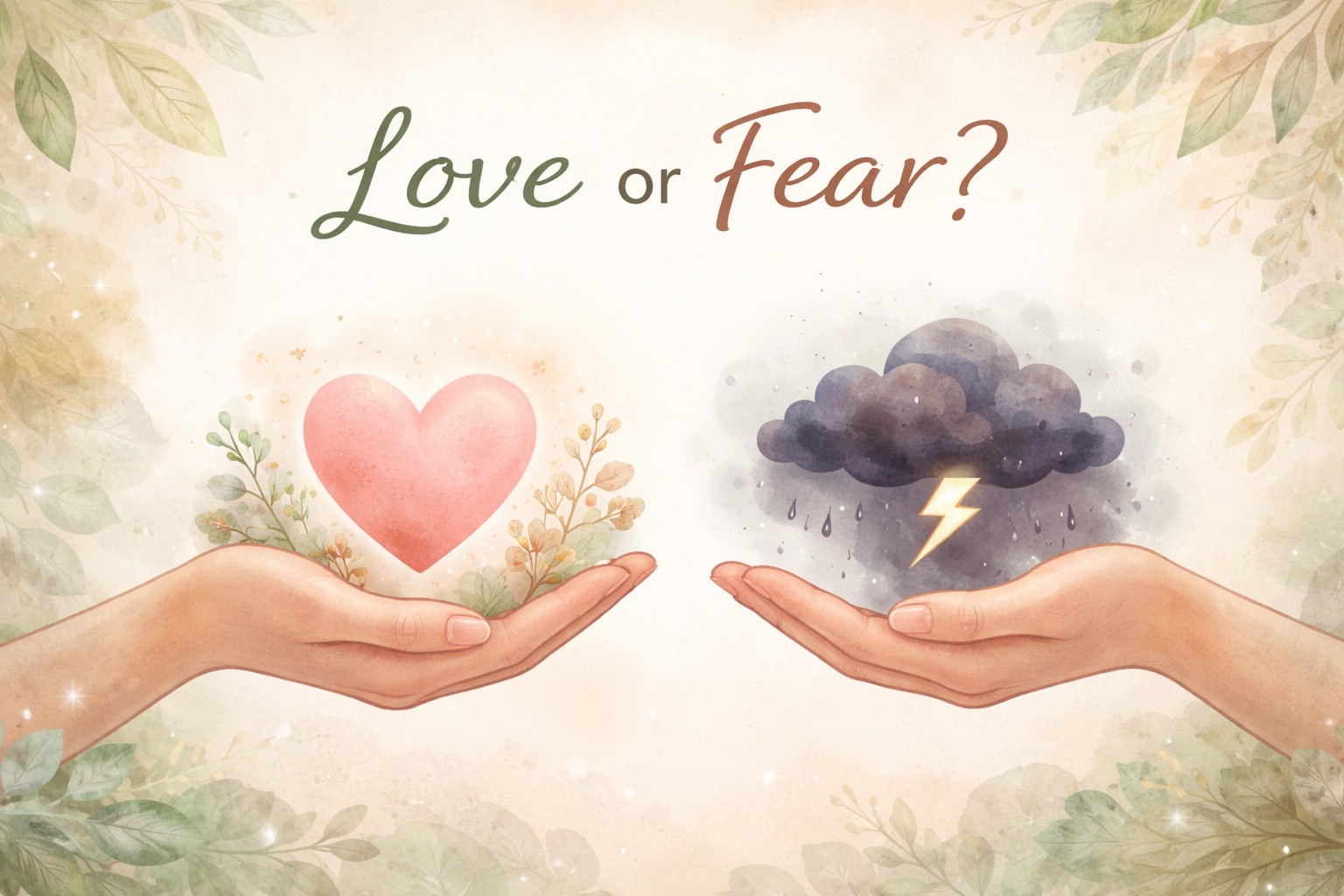
  • Love or Fear? The Hidden Force That Shapes Your Life

    Love or Fear? The Hidden Force That Shapes Your Life

    Every decision we make comes from one of two places: love or fear. At Zaya Wellness, we often ask our community a simple yet powerful question:
    “Is this choice coming from love, or from fear?”
    This awareness alone can transform your life.
    Understanding Love and Fear
    Love and fear are not just emotions. They are energies that influence your thoughts, actions, and relationships. Love feels open, calm, trusting, and expansive. Fear feels tight, anxious, doubtful, and restrictive. When you choose from love, you grow. When you choose from fear, you shrink. And most of us move through life without realizing which one is driving us.
    How Fear Quietly Controls Our Lives
    Fear is subtle. It does not always look dramatic.
    It can show up as:
    👉🏿 Fear of failure
    👉🏿 Fear of rejection
    👉🏿 Fear of being judged
    👉🏿 Fear of not being good enough
    👉🏿 Fear of change
    👉🏿 Fear of losing control
    Because of fear, we may:
    👉🏿 Stay in unhealthy relationships
    👉🏿 Avoid new opportunities
    👉🏿 Suppress our true feelings
    👉🏿 Overwork to prove our worth
    👉🏿 Say “yes” when we want to say “no”
    Fear keeps us safe — but it also keeps us small. At Zaya Wellness, we believe fear is not your enemy. It is simply a signal that your nervous system is trying to protect you.
    What Choosing Love Really Means
    Choosing love does not mean ignoring reality or pretending everything is perfect.
    It means:
    👉🏿 Responding instead of reacting
    👉🏿 Setting boundaries with kindness
    👉🏿 Trusting your inner wisdom
    👉🏿 Allowing yourself to grow
    👉🏿 Being compassionate toward yourself
    Love expands your breath.
    Love softens your body.
    Love builds connection.

    When you act from love, you feel aligned. Even difficult decisions feel peaceful.
    Love vs Fear in Daily Life
    Here are simple examples:
    👉🏿 Situation: You want to start something new.
    Fear says: “What if I fail?”
    Love says: “What if I grow?”
    👉🏿 Situation: Someone disagrees with you.
    Fear says: “Defend yourself.”
    Love says: “Listen and understand.”
    👉🏿 Situation: You made a mistake.
    Fear says: “You are not enough.”
    Love says: “You are learning.”
    The external situation may be the same. The inner energy is different.

    The Nervous System Connection
    From a wellness perspective, fear activates your fight-or-flight response. Your body tightens. Stress hormones increase. You feel alert or anxious. Love activates your rest-and-digest response. Your body relaxes. Your breathing deepens. You feel safe. Healing begins when your body feels safe.
    At Zaya Wellness, we guide you to create this inner safety through breathwork, mindfulness, body awareness, and emotional healing practices.
    How to Shift from Fear to Love
    Here are simple steps you can practice daily:

    👉🏿 Seek Support
    You do not have to heal alone. Guidance makes the journey easier.
    👉🏿 Why This Awareness Changes Everything
    When you become aware of whether you are acting from love or fear:
    – Your relationships improve
    – Your confidence grows
    – Your anxiety reduces
    – Your decisions become clearer
    – Your life feels more peaceful
    The world does not change overnight. But your inner world does — and that changes everything.
    A Gentle Reflection from Zaya Wellness
    Right now, pause for a moment.
    Think about one situation in your life that feels heavy.
    Ask yourself quietly:
    “What would love do here?”
    That answer — soft, honest, and calm — is your truth.
    At Zaya Wellness, we believe healing begins when you choose love, even in small moments. Because love is not weakness. It is strength guided by awareness.
    Final Thoughts
    Every day, you stand at a crossroads.
    Fear protects.
    Love transforms.

    The choice is yours.

    Pause and Notice
    Before reacting, ask yourself:
    “Am I responding from love or fear?”

    Breathe Deeply
    Slow breathing signals safety to your body.

    Speak Kindly to Yourself
    Replace self-criticism with compassion.

    Take One Small Brave Step
    Love does not require big leaps. Small aligned actions are enough.

    And if you need support in learning how to choose love more often, we at Zaya Wellness are here to walk beside you on your healing journey.
    🌿 Choose gently. Choose consciously. Choose love.

  • 🌿 True Emotions: Understanding Your Inner Truth with Zaya Wellness

    🌿 True Emotions: Understanding Your Inner Truth with Zaya Wellness

    Discover what true emotions really are and how to understand, accept, and express them in a healthy way. Learn how Zaya Wellness guides you toward emotional balance and inner clarity.

    What Are True Emotions?

    True emotions are the natural feelings that arise within us before we judge, suppress, or hide them.

    They are honest.
    They are raw.
    They are signals from our inner self.

    At Zaya Wellness, we believe that true emotions are not weaknesses. They are wisdom. They guide us toward healing, growth, and self-awareness.


    True Emotions vs. Masked Emotions

    Many times, we don’t express what we really feel.

    • We say “I’m fine” when we are hurt.
    • We show anger when we actually feel fear.
    • We laugh when we feel uncomfortable.
    • We stay silent when we need support.

    These are masked emotions.

    True emotions, on the other hand, are the original feelings underneath the mask — sadness, fear, joy, love, disappointment, gratitude, hope.

    When we ignore or suppress them for too long, they can show up as:

    • Stress
    • Anxiety
    • Physical tension
    • Emotional burnout
    • Mood swings

    Listening to your true emotions is the first step toward emotional wellness.


    Why True Emotions Matter for Your Well-being

    Your emotions are deeply connected to your body and mind.

    In holistic wellness practices and Ayurveda, emotions are not separate from physical health. Unexpressed emotions can disturb inner balance and affect your energy.

    When you acknowledge your true emotions:

    ✔️ You reduce internal stress
    ✔️ You improve mental clarity
    ✔️ You strengthen relationships
    ✔️ You build emotional resilience
    ✔️ You feel lighter and more authentic

    At Zaya Wellness, we encourage gentle awareness rather than emotional suppression.


    Signs You Are Disconnecting from Your True Emotions

    You may be avoiding your true feelings if:

    • You constantly distract yourself.
    • You feel numb or emotionally blank.
    • You react strongly to small triggers.
    • You struggle to explain what you feel.
    • You feel tired without clear reason.

    Emotional disconnection is not failure. It is often a protective response.

    The key is not to judge yourself — but to become aware.


    How to Connect with Your True Emotions

    Here are simple practices we recommend at Zaya Wellness:

    1. Pause and Breathe

    Take 5 slow breaths. Ask yourself:
    “What am I truly feeling right now?”

    Do not analyze. Just observe.

    2. Name the Emotion

    Is it sadness? Fear? Hurt? Joy? Guilt?

    Naming emotions reduces their intensity and increases clarity.

    3. Write Without Editing

    Journaling helps you express feelings safely without fear of judgment.

    4. Notice Body Signals

    Emotions live in the body.
    Tight chest? Heavy stomach? Tension in shoulders?

    Your body speaks when your mind avoids.

    5. Allow, Don’t Suppress

    It is okay to feel.
    It is safe to feel.
    Emotions move when they are allowed.


    True Emotions and Healing

    Healing does not mean becoming “positive” all the time.

    Healing means:

    • Feeling fully.
    • Understanding gently.
    • Responding consciously.

    At Zaya Wellness, we guide you toward emotional balance through awareness, breathwork, Ayurvedic principles, and mindful living.

    True emotional health begins when you stop fighting your feelings and start listening to them.


    A Gentle Reminder from Zaya Wellness

    You are not “too sensitive.”
    You are not “overreacting.”
    You are not “weak.”

    Your emotions are your inner compass.

    When you honor your true emotions, you return to your authentic self.

    And that is where real wellness begins.


    🌿 Final Thoughts

    True emotions are not problems to fix — they are messages to understand. When you allow yourself to feel honestly and safely, you create space for inner peace.

    At Zaya Wellness, we walk with you on this journey of emotional clarity, self-acceptance, and holistic healing.

    ✨ If this article resonated with you, take a quiet moment today to sit with your feelings. Your inner self is waiting to be heard.

  • Feel-Good Hormones: Your Body’s Natural Happiness Boosters

    Feel-Good Hormones: Your Body’s Natural Happiness Boosters

    Have you ever wondered why a hug feels comforting, exercise lifts your mood, or listening to music makes you happy?
    That’s not magic — it’s your body working beautifully through feel-good hormones.
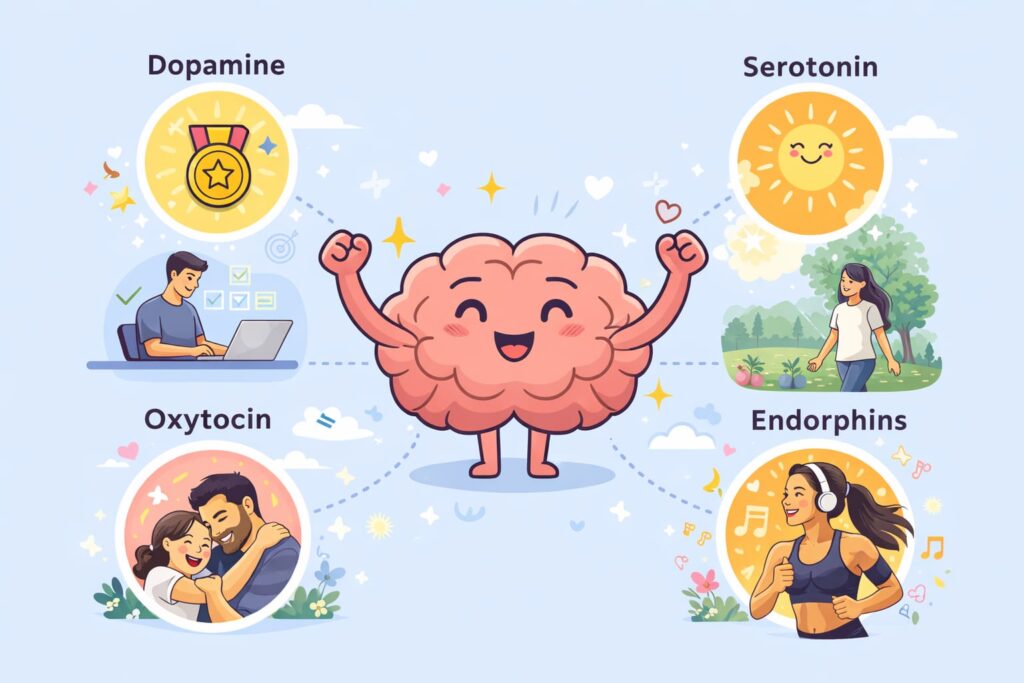
    Feel-good hormones are natural chemicals released by our brain and body. They influence our mood, emotions, motivation, bonding, and overall well-being. When they are balanced, we feel calm, joyful, connected, and energized.
    Let’s understand the four main feel-good hormones in a simple way.

    Dopamine – The Motivation Hormone
    Dopamine is the hormone of reward and motivation. It’s released when you achieve something — even small wins.
    How it makes you feel?
    👉🏿 Motivated
    👉🏿 Focused
    👉🏿 Confident
    👉🏿 Proud of yourself
    Dopamine is released when you:
    👉🏿 Complete a task
    👉🏿 Achieve a goal
    👉🏿 Learn something new
    👉🏿 Tick off your to-do list


    ✨ Tip: Break big goals into small steps — every small success boosts dopamine.

    Serotonin – The Mood Stabilizer
    Serotonin helps regulate mood, emotions, sleep, and digestion. Balanced serotonin makes you feel stable and emotionally safe.
    How it makes you feel:
    👉🏿 Calm
    👉🏿 Content
    👉🏿 Emotionally balanced
    👉🏿 Positive
    Serotonin increases when you:
    👉🏿 Spend time in sunlight
    👉🏿 Practice gratitude
    👉🏿 Go for a walk in nature
    👉🏿 Maintain healthy routines


    ✨ Tip: Morning sunlight and regular meals naturally support serotonin.

    Oxytocin – The Love & Bonding Hormone
    Oxytocin is known as the love hormone. It strengthens emotional bonds and trust.
    How it makes you feel:
    👉🏿 Loved
    👉🏿 Safe
    👉🏿 Connected
    👉🏿 Relaxed
    Oxytocin is released when you:
    👉🏿 Hug someone
    👉🏿 Spend quality time with loved ones
    👉🏿 Receive emotional support
    👉🏿 Practice kindness

    ✨ Tip: Even a warm conversation or self-compassion can release oxytocin.

    Endorphins – The Natural Pain Relievers
    Endorphins are your body’s natural painkillers. They help reduce stress and discomfort while boosting joy.
    How it makes you feel:
    👉🏿 Energized
    👉🏿 Light-hearted
    👉🏿 Relaxed
    👉🏿 Strong
    Endorphins increase when you:
    👉🏿 Exercise
    👉🏿 Laugh
    👉🏿 Dance
    👉🏿 Listen to music you love
    ✨ Tip: You don’t need intense workouts — even gentle movement helps.

    Why Feel-Good Hormones Matter?
    When these hormones work in harmony, they:
    👉🏿 Reduce stress and anxiety
    👉🏿 Improve mental clarity
    👉🏿 Support emotional healing
    👉🏿 Strengthen mind-body balance
    Low levels may lead to low mood, fatigue, lack of motivation, or emotional imbalance — which is why nurturing them daily is important.

    Simple Daily Habits to Boost Feel-Good Hormones
    You don’t need drastic changes. Try small steps:
    🌞 Get sunlight daily
    🚶 Move your body gently
    🧘 Practice mindfulness or prayer
    💬 Connect with people
    ✍️ Practice gratitude
    🎶 Enjoy music or creative activities

    Final Thought
    Your body already knows how to heal and feel good.
    Feel-good hormones are gentle reminders that joy, calm, and connection are natural states — not luxuries. By supporting these hormones, you’re not forcing happiness —
    you’re simply allowing your body to do what it’s designed to do 💛.

  • Importance of Calf Muscles and Their Health – A Holistic View by Zaya Wellness

    Importance of Calf Muscles and Their Health – A Holistic View by Zaya Wellness

    At Zaya Wellness, we believe that true health begins with understanding the body as an interconnected system. While calf muscles are often overlooked, they play a vital role in movement, circulation, balance, and overall vitality. In holistic health systems like Ayurveda, healthy lower limbs are essential for grounding, stability, and proper energy flow.
    Caring for your calf muscles is not just about physical fitness—it is about supporting long-term mobility, circulation, and overall well-being.

    Understanding the Calf Muscles
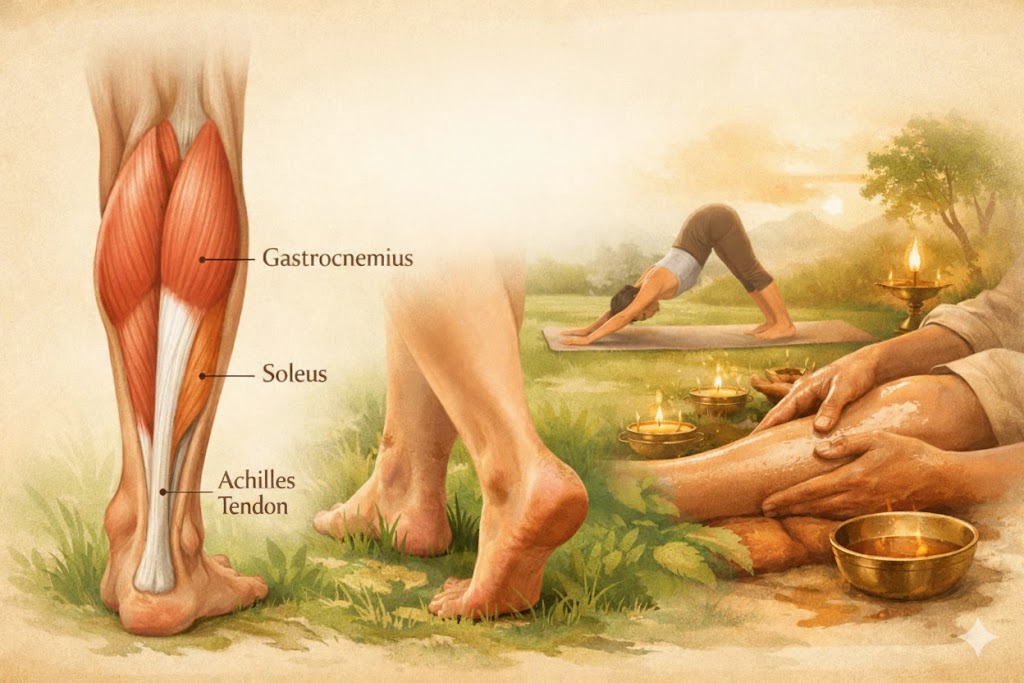
    The calf muscles are located at the back of the lower leg and include two primary muscles:

    1. Gastrocnemius – supports powerful movements like walking and climbing
    2. Soleus – supports posture, endurance, and sustained standing
      These muscles work together with the Achilles tendon to allow smooth, efficient movement and stability.

    Why Calf Muscle Health Is Important

    1. Foundation of Movement and Mobility
      Every step you take relies on the strength and flexibility of your calf muscles. Weak or tight calves can lead to fatigue, stiffness, and difficulty in daily activities such as walking or standing.
      At Zaya Wellness, we often observe that mobility issues start subtly in the lower limbs and progress upward if ignored.
    2. Supporting Healthy Blood Circulation
      Calf muscles are often referred to as the “second heart” because they help pump blood from the legs back to the heart. Poor calf muscle function may result in:
    • Poor circulation
    • Leg swelling
    • Heaviness in the lower limbs
    • Varicose veins

    Healthy calves play a key role in maintaining vascular and lymphatic health.

    1. Balance, Stability, and Grounding
      Strong calf muscles improve balance and posture. From a holistic perspective, stable lower limbs create a sense of grounding and confidence in movement—especially important for elderly individuals and those recovering from illness.
    2. Prevention of Pain and Injury
      Poor calf muscle health can contribute to:
    • Heel pain and plantar fasciitis
    • Achilles tendon strain
    • Knee discomfort
    • Lower back pain

    Maintaining calf flexibility helps reduce excess stress on joints and connective tissues.

    Common Signs of Weak or Imbalanced Calf Muscles

    • Frequent leg cramps
    • Tightness or stiffness in calves
    • Swelling in ankles or feet
    • Pain while walking or standing
    • Reduced stamina or endurance
      These signs should be addressed early to prevent long-term complications.

    Holistic Ways to Maintain Healthy Calf Muscles

    1. Gentle Stretching and Movement

    Daily stretching, walking, and mindful movement improve circulation and muscle flexibility. Practices such as yoga help balance muscle strength and relaxation.

    1. Strengthening Through Natural Activity

    Simple activities like walking barefoot on natural surfaces, heel raises, and conscious posture awareness support calf strength naturally.

    1. Nutrition and Hydration

    Adequate hydration and mineral-rich foods support muscle health. Ayurveda emphasizes balanced digestion and nourishment to prevent cramps and fatigue.

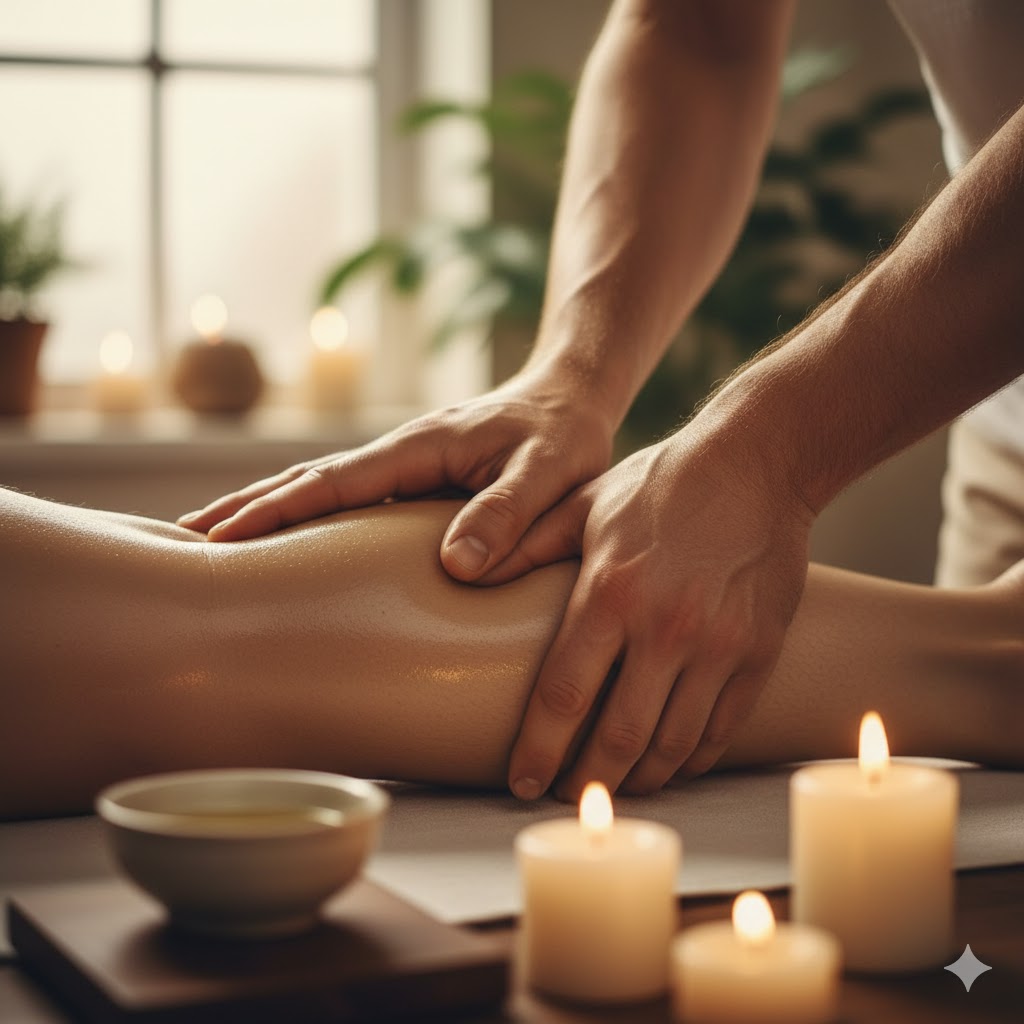
    1. Massage and Therapeutic Care

    Regular calf massage improves circulation, relieves tightness, and supports muscle recovery. Ayurvedic therapies often use warm oils to nourish deeper tissues.

    1. Supportive Lifestyle Choices

    Proper footwear, avoiding prolonged sitting, and maintaining daily movement routines help protect calf muscles from strain.

    Zaya Wellness Perspective
    At Zaya Wellness, we focus on addressing the root causes of discomfort rather than just symptoms. Calf muscle health is deeply connected to circulation, posture, digestion, and nervous system balance. Through personalized guidance and holistic support, we help individuals restore strength, mobility, and confidence in their bodies.

    Conclusion
    Calf muscles may seem small, but their role in movement, circulation, balance, and injury prevention is significant. By nurturing calf muscle health through mindful movement, proper nourishment, and holistic care, you support not only your legs—but your entire well-being.
    At Zaya Wellness, we encourage you to listen to your body and take proactive steps toward sustainable health.