Tag: hormone

  • Postpartum Journey with Zaya Wellness

    Postpartum Journey with Zaya Wellness

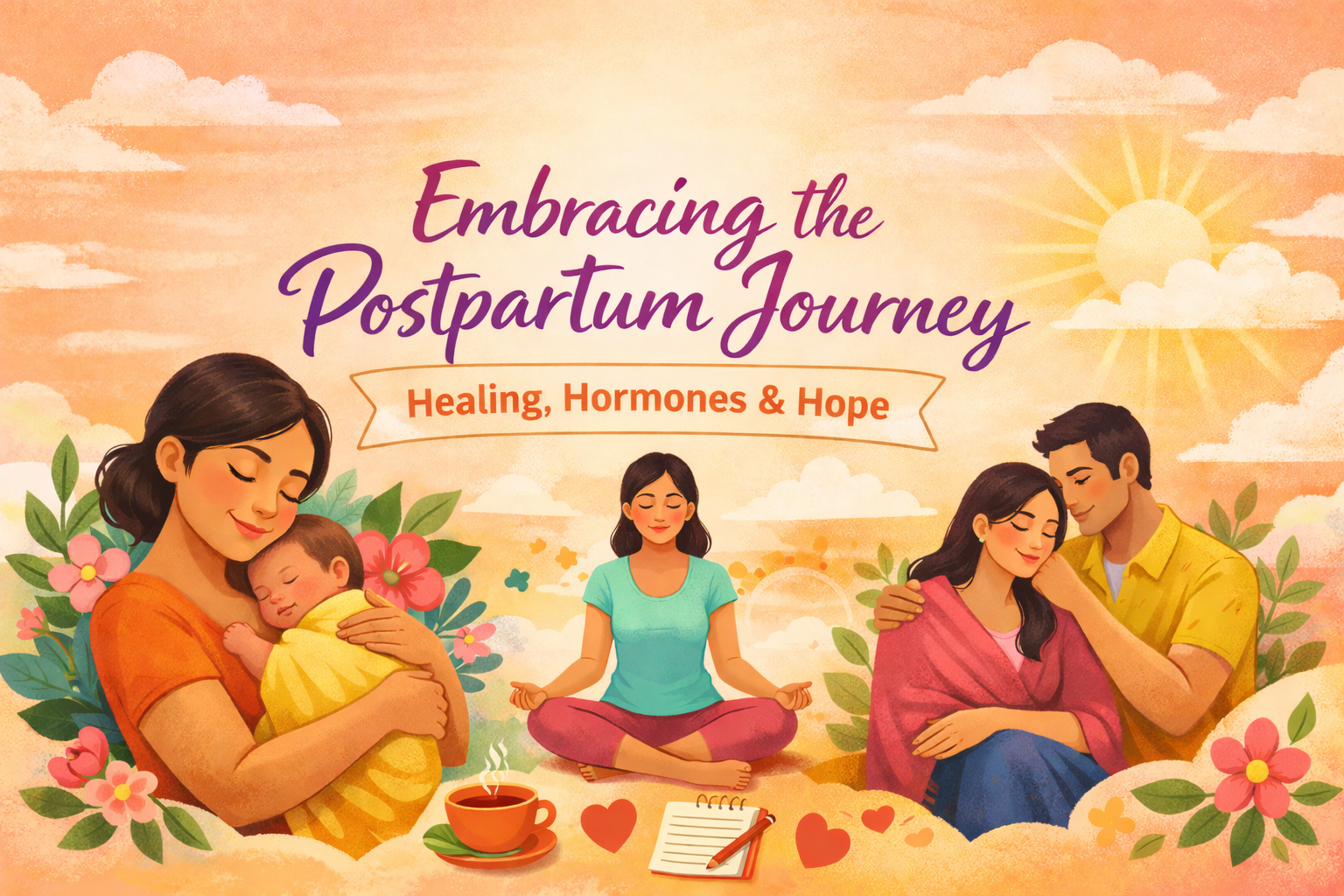
    Bringing a baby into the world is a beautiful miracle. But what many people do not talk about enough is the postpartum journey — the phase after childbirth that can feel overwhelming, emotional, and confusing.

    At Zaya Wellness, we believe postpartum care is just as important as pregnancy care. A mother is not meant to “bounce back.” She is meant to heal, adjust, and be supported.

    Let us gently understand what postpartum really means and how mothers can care for themselves during this sensitive time.


    What is Postpartum?

    The postpartum period refers to the weeks and months after childbirth. It is a time when a woman’s body and mind go through major changes. Hormones shift rapidly, sleep becomes irregular, physical healing takes place, and emotions can feel intense.

    This phase usually lasts around six weeks physically, but emotional recovery may take much longer.


    Common Postpartum Changes

    Every mother’s experience is different, but some common postpartum symptoms include:

    • Mood swings
    • Fatigue and exhaustion
    • Body pain and soreness
    • Hair fall
    • Anxiety or excessive worry
    • Feeling overwhelmed or tearful
    • Difficulty bonding with the baby (in some cases)

    These changes are normal. However, when sadness or anxiety becomes intense or long-lasting, it may be a sign of postpartum depression.


    Understanding Postpartum Depression

    Postpartum depression (PPD) is more than just “baby blues.” While baby blues usually last a few days to two weeks, PPD can last months if not addressed.

    Signs of postpartum depression may include:

    • Constant sadness
    • Loss of interest in things you once enjoyed
    • Feeling hopeless or empty
    • Guilt or feeling like a “bad mother”
    • Trouble sleeping even when the baby sleeps
    • Thoughts of harming yourself or the baby (in severe cases)

    At Zaya Wellness, we want every mother to know:
    You are not weak. You are not failing. You are healing. And you deserve support.


    Why Postpartum Care Matters

    Society often focuses only on the baby. But the mother needs equal care.

    Postpartum wellness includes:

    • Emotional support
    • Proper nutrition
    • Adequate rest
    • Gentle movement
    • Mental health awareness
    • Safe space to express feelings

    Ignoring postpartum mental health can impact not only the mother but also the child and family relationships.


    Holistic Postpartum Healing – The Zaya Way

    At Zaya Wellness, we believe in a gentle and holistic approach to postpartum recovery.

    Here’s what we encourage:

    1. Emotional Acceptance

    It is okay to feel happy and tired at the same time. It is okay to cry without knowing why. Accepting your emotions is the first step toward healing.

    2. Mindful Breathing & Meditation

    Simple breathing exercises can help regulate stress hormones and calm anxiety.

    3. Nourishing the Body

    Warm, nutritious meals support hormonal balance and energy levels.

    4. Community Support

    Talking to other mothers reduces feelings of isolation. You are not alone in this journey.

    5. Professional Guidance

    If feelings become heavy or persistent, seeking therapy or counselling is a sign of strength — not weakness.


    How Families Can Support a Postpartum Mother

    Support is not just about helping with the baby. It is about:

    • Listening without judgment
    • Offering rest breaks
    • Encouraging open conversations
    • Watching for signs of emotional distress
    • Validating her feelings

    At Zaya Wellness, we remind families: A supported mother raises a secure child.


    When to Seek Immediate Help

    If a mother experiences:

    • Thoughts of self-harm
    • Thoughts of harming the baby
    • Severe panic attacks
    • Extreme mood changes

    Immediate professional help is necessary. Postpartum mental health is serious, and timely care can make all the difference.


    A Gentle Reminder from Zaya Wellness

    Motherhood does not require perfection. It requires compassion — especially toward yourself.

    Postpartum is not a weakness phase. It is a transformation phase. Your body has created life. Your mind is adjusting to a new identity. Healing takes time.

    At Zaya Wellness, we stand beside every mother — with awareness, empathy, and holistic care.

    If you or someone you love is navigating the postpartum journey, reach out. Support is strength.

  • Attention Disorder vs Multitasking: Are We Distracted or Just Overloaded?

    Attention Disorder vs Multitasking: Are We Distracted or Just Overloaded?

    In today’s fast-moving world, many of us feel distracted, restless, and mentally scattered. We jump from one task to another — checking messages, replying to emails, working, scrolling, thinking — all at the same time.

    But here’s an important question:

    Are we truly facing an attention disorder, or are we simply overwhelmed by multitasking?

    At Zaya Wellness, we believe understanding this difference is essential for mental clarity, emotional balance, and overall wellbeing.

    Let’s explore this gently and clearly.


    What is Attention Disorder?

    Attention Disorder (commonly known as ADHD – Attention Deficit Hyperactivity Disorder) is a medical condition that affects the brain’s ability to focus, regulate impulses, and manage energy levels.

    Some common signs include:

    • Difficulty concentrating for long periods
    • Forgetting tasks frequently
    • Restlessness or impulsive behavior
    • Trouble organizing daily activities
    • Feeling mentally “all over the place”

    It is important to understand that ADHD is not laziness or lack of discipline. It is a neurological condition that may require professional guidance, therapy, and sometimes medical support.

    If symptoms are persistent and affect daily life significantly, seeking help from a qualified professional is important.


    What is Multitasking?

    Multitasking is something most of us practice every day. We try to do multiple tasks at once to save time or be more productive.

    For example:

    • Attending a meeting while replying to messages
    • Watching a video while working
    • Cooking while scrolling social media
    • Switching between several tabs on the computer

    It feels efficient. But is it really?

    Research shows that the brain is not designed to truly focus on multiple tasks at the same time. Instead, it switches rapidly between tasks — and this constant switching drains mental energy.

    Over time, multitasking can:

    • Reduce focus and productivity
    • Increase stress levels
    • Cause mental fatigue
    • Make us feel distracted
    • Lower the quality of our work

    At Zaya Wellness, we often see that what people call “poor attention” is actually mental exhaustion caused by overstimulation.


    Attention Disorder vs Multitasking: The Key Difference

    Here is a simple way to understand the difference:

    Attention DisorderMultitasking Overload
    Neurological conditionLifestyle habit
    Present since childhood (in most cases)Developed due to modern work culture
    Affects all areas of life consistentlyMostly related to work, phone use, and digital habits
    Requires professional assessmentCan improve with lifestyle changes

    Many people today mistake digital overload and constant stimulation for attention disorder.

    But sometimes, the real issue is that our brain never gets to rest.


    The Hidden Impact of Constant Multitasking

    When we keep switching tasks:

    • Cortisol (stress hormone) increases
    • Dopamine cycles become irregular
    • Our nervous system stays in “alert mode”
    • Sleep quality decreases
    • Emotional regulation becomes harder

    Over time, this creates a state of mental chaos.

    The mind becomes reactive instead of calm.

    At Zaya Wellness, we believe attention is a sacred energy. When scattered, we feel drained. When centered, we feel powerful.


    How to Improve Focus Naturally

    If your distraction is caused by multitasking overload, small mindful changes can help.

    1. Practice Single-Tasking

    Focus on one task at a time for 25–40 minutes. Keep your phone away.

    2. Digital Detox Windows

    Create phone-free hours in your day.

    3. Mindful Breathing

    Simple breathing techniques calm the nervous system and improve concentration.

    4. Structured Breaks

    Take short intentional breaks instead of random scrolling.

    5. Sleep and Nervous System Care

    Proper sleep restores attention capacity.


    When to Seek Professional Help

    If you experience:

    • Long-term focus issues since childhood
    • Severe impulsivity
    • Academic or workplace struggles
    • Emotional dysregulation

    It is important to consult a mental health professional for proper evaluation.

    Self-diagnosis through social media content can often create confusion.


    Final Thoughts from Zaya Wellness

    Not every distracted mind is disordered.

    Sometimes, it is simply overstimulated.

    In a world that glorifies multitasking, slowing down may feel uncomfortable — but it is healing.

    At Zaya Wellness, we encourage conscious living over constant doing. Your mind deserves clarity. Your attention deserves protection.

    When you bring awareness to where your focus goes, you reclaim your inner balance.

  • Stress Hormones Explained: How They Affect Your Body, Mind & Everyday Life

    Stress Hormones Explained: How They Affect Your Body, Mind & Everyday Life

    In today’s fast-paced world, stress has become a common part of life. But have you ever wondered what actually happens inside your body when you feel stressed? At Zaya Wellness, we believe that understanding your body is the first step toward healing. Let’s explore what stress hormones are, how they impact your life, and how you can gently bring balance back.
    What Are Stress Hormones?
    Stress hormones are chemicals released by your body when you feel threatened, anxious, overwhelmed, or under pressure.
    The main stress hormones are:
    – Cortisol
    – Adrenaline (Epinephrine)
    – Noradrenaline (Norepinephrine)
    These hormones are part of your body’s natural “fight or flight” response — a survival mechanism designed to protect you from danger. In short bursts, stress hormones are helpful. But when stress becomes constant, these hormones stay elevated — and that’s when problems begin.
    What Does Cortisol Do in the Body?
    Cortisol is often called the “primary stress hormone.” When cortisol increases, it:
    – Raises blood sugar levels
    – Increases heart rate
    – Suppresses digestion
    – Reduces immune function
    – Keeps you alert and focused
    This is helpful during emergencies. But when cortisol remains high for weeks or months, it can deeply affect your physical and emotional health.
    How Stress Hormones Impact Your Life
    Chronic stress does not just affect your mood — it affects your entire being.

    1. Mental and Emotional Impact
      High stress hormones can cause:
      – Anxiety and panic attacks
      – Irritability
      – Mood swings
      – Brain fog
      – Difficulty concentrating
      – Poor sleep
      Over time, constant stress may increase the risk of depression and burnout.
    2. Physical Health Effects
      When stress hormones stay elevated for long periods, they may contribute to:
      – Weight gain (especially around the abdomen)
      – Hormonal imbalance
      – Thyroid dysfunction
      – High blood pressure
      – Digestive issues (acidity, bloating, IBS)
      – Weakened immunity
      – Fatigue and adrenal exhaustion
      Your body is not designed to live in survival mode every day.
    3. Impact on Relationships and Work Life
      Chronic stress also affects how you interact with the world:
      – Reduced patience
      – Emotional reactivity
      – Poor decision-making
      – Low productivity
      – Feeling disconnected or withdrawn
      When stress becomes your “normal,” life slowly starts to feel heavy.

    Why Modern Life Increases Stress Hormones
    Unlike ancient times, today’s stress is rarely about physical danger. It comes from:
    – Work pressure
    – Financial worries
    – Relationship conflicts
    – Social media overload
    – Lack of rest
    – Unresolved emotional trauma
    Your brain cannot differentiate between a tiger chasing you and an email notification at midnight. The hormonal response is the same.
    Signs Your Stress Hormones May Be High
    You may notice:
    – Waking up tired
    – Craving sugar or salty foods
    – Feeling “wired but tired”
    – Tight shoulders and jaw
    – Shallow breathing
    – Irregular periods
    – Frequent colds
    These are not random symptoms. They are signals. At Zaya Wellness, we see these signs not as problems — but as messages from the body asking for balance.
    How to Naturally Balance Stress Hormones
    The good news? Your body wants to heal. With the right support, it can return to balance. Here are gentle, natural ways to regulate stress hormones:

    1. Deep Breathing Practices
      Slow breathing activates the parasympathetic nervous system and lowers cortisol levels.
    2. Quality Sleep
      Aim for 7–8 hours of deep rest. Sleep is the body’s natural reset button.
    3. Balanced Nutrition
      Avoid excessive caffeine and sugar. Include healthy fats, protein, and warm nourishing meals.
    4. Ayurvedic Lifestyle Support
      Herbs like Ashwagandha and Brahmi (under expert guidance) may support stress regulation.
    5. Mind-Body Practices
      Yoga, meditation, grounding, and mindful movement reduce adrenaline and cortisol naturally.
    6. Emotional Healing
      Unprocessed emotions keep the body in survival mode. Gentle therapy and guided healing help release stored stress.
      Stress Is Not Your Enemy
      Stress hormones are not “bad.” They are protectors.
      But when protection becomes permanent, it turns into imbalance.
      “At Zaya Wellness, we believe healing begins when we move from survival to stability, from tension to trust, from stress to stillness”.
      Final Thoughts: Your Body Is Asking for Care
      If you constantly feel tired, anxious, or overwhelmed, it is not weakness. It is biology. Your nervous system may simply need support.
      When you understand stress hormones and how they impact your life, you can begin making conscious choices that restore harmony.
      🌿 At Zaya Wellness, we guide you back to balance — gently, naturally, and holistically.