Tag: mindfulness

  • The Buddha in You & Me: Awakening the Inner Light of Awareness

    The Buddha in You & Me: Awakening the Inner Light of Awareness

    In today’s fast-moving world, we often search outside for peace, happiness, and meaning. But what if everything we are looking for already exists within us?

    At Zaya Wellness, we believe that the true journey of healing and transformation begins inside. The idea of “The Buddha in You & Me” reminds us that awakening is not reserved for a chosen few — it is a possibility within every human being.


    What Does “The Buddha in You & Me” Really Mean?

    The word Buddha means “the awakened one.” It refers to someone who has awakened to truth, compassion, and deep inner awareness. While Gautama Buddha is known as the historical Buddha, the deeper spiritual teaching is this:

    Buddha is not just a person. It is a state of consciousness.

    It is the state where:

    • The mind becomes calm.
    • The heart becomes compassionate.
    • The ego becomes silent.
    • Awareness becomes clear.

    And this state exists within you. Within me. Within all of us.


    The Inner Awakening: A Spiritual Perspective

    Every human being carries the seed of awakening. Yet, we often live covered in layers of stress, fear, comparison, and self-doubt.

    The Buddha within us awakens when:

    • We practice mindfulness.
    • We respond instead of react.
    • We choose kindness over judgment.
    • We observe our thoughts instead of becoming them.

    At Zaya Wellness, we see spiritual growth not as an escape from life, but as a deeper engagement with it — with clarity and compassion.


    The Buddha in Everyday Life

    You do not need to sit under a tree for years to awaken. Awakening happens in simple moments:

    • When you listen fully without interrupting.
    • When you forgive someone who hurt you.
    • When you pause and take a conscious breath.
    • When you act with love even when it is difficult.

    These small acts are expressions of your inner Buddha.

    Spirituality is not about becoming someone new.
    It is about remembering who you truly are.


    Why This Teaching Matters Today

    In a world filled with anxiety and noise, reconnecting with the Buddha within brings:

    • Emotional balance
    • Inner peace
    • Greater self-awareness
    • Compassionate relationships
    • Mental clarity

    The more individuals awaken to their inner light, the more peaceful our collective world becomes.

    At Zaya Wellness, we guide individuals toward this awareness through mindful practices, self-reflection, and holistic healing. Because when you heal yourself, you contribute to healing the world.


    How to Begin Awakening the Buddha Within

    Here are simple steps you can start today:

    1. Practice 5 minutes of mindful breathing daily.
    2. Observe your thoughts without judging them.
    3. Choose one act of kindness each day.
    4. Spend quiet time in self-reflection.
    5. Reduce digital distractions and create mindful pauses.

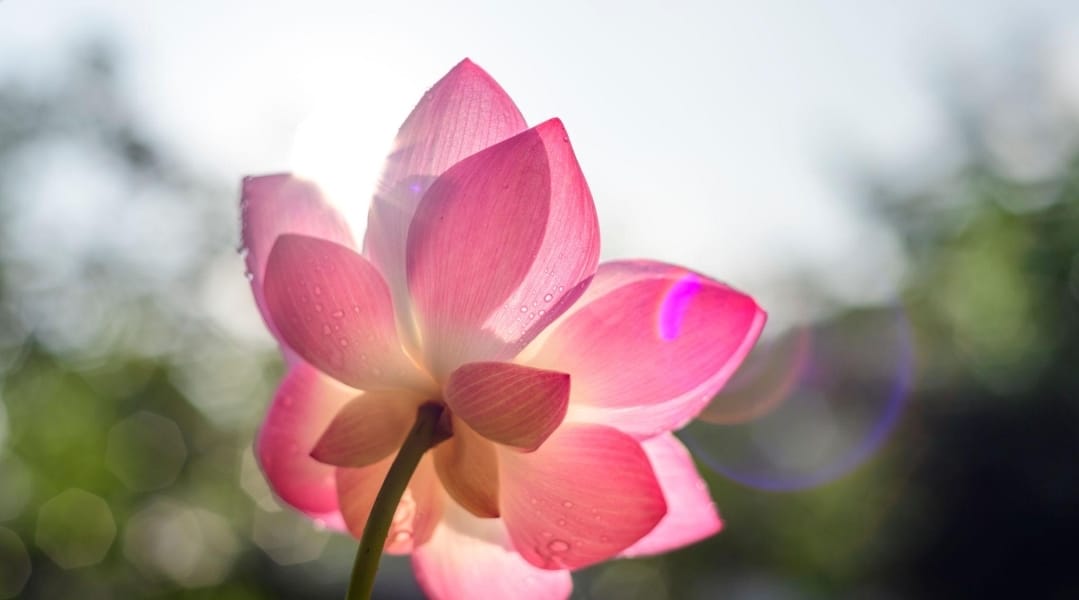
    Transformation does not happen overnight. It unfolds gently — like a lotus blooming.


    The Truth We Often Forget

    You are not separate from peace.
    You are not separate from wisdom.
    You are not separate from compassion.

    They are your true nature.

    The Buddha in you is not something you need to create — it is something you need to uncover.

    And when we realize this together, the Buddha in you meets the Buddha in me.

    That is where true connection begins.


    Final Reflection from Zaya Wellness

    At Zaya Wellness, we believe spirituality is not about perfection — it is about awareness. The journey toward inner awakening is deeply personal, yet beautifully universal.

    The Buddha in you is waiting patiently.

    Are you ready to listen?

  • Breathe in Balance: The Healing Power of Alternate Nostril Breathing

    Breathe in Balance: The Healing Power of Alternate Nostril Breathing

    At Zaya Wellness, we believe that healing does not always begin with something complicated. Sometimes, it begins with a single breath.

    One of the simplest and most powerful breathing techniques we recommend is Alternate Nostril Breathing, known in yoga as Nadi Shodhana. This gentle practice helps calm the mind, balance emotions, and restore inner harmony — all through conscious breathing.

    In this blog, we’ll explore what alternate nostril breathing is, its benefits, and how you can practice it daily for better mental and physical wellbeing.


    What Is Alternate Nostril Breathing?

    Alternate nostril breathing is a yogic breathing technique where you inhale through one nostril and exhale through the other, switching sides in a rhythmic pattern.

    In Sanskrit, Nadi means energy channel and Shodhana means cleansing. So, this practice literally means “cleansing the energy channels.” It is designed to balance the left and right hemispheres of the brain and regulate the nervous system.

    At Zaya Wellness, we see this practice as a bridge between the body and the soul — a simple ritual that brings you back to center.


    Benefits of Alternate Nostril Breathing

    Practicing alternate nostril breathing regularly can bring many benefits:

    🌿 1. Reduces Stress and Anxiety

    This breathing technique activates the parasympathetic nervous system, which helps calm the body. It lowers stress levels and reduces anxiety naturally.

    🌿 2. Improves Mental Clarity

    By balancing brain activity, it improves focus, concentration, and decision-making ability.

    🌿 3. Supports Emotional Balance

    When your breath is steady, your emotions become steady. This practice helps manage mood swings and emotional overwhelm.

    🌿 4. Enhances Lung Function

    It strengthens the lungs and improves respiratory efficiency over time.

    🌿 5. Promotes Better Sleep

    Practicing it before bedtime helps quiet the mind, making it easier to fall asleep peacefully.


    How to Practice Alternate Nostril Breathing (Step-by-Step Guide)

    Follow these simple steps:

    1. Sit comfortably with your spine straight.
    2. Relax your shoulders and close your eyes.
    3. Place your left hand on your knee.
    4. Use your right hand:
      • Close your right nostril with your thumb.
      • Inhale slowly through your left nostril.
      • Close your left nostril with your ring finger.
      • Release your right nostril and exhale slowly.
    5. Now inhale through the right nostril.
    6. Close it, open the left nostril, and exhale.

    This completes one round.

    Start with 5–7 rounds daily and gradually increase to 10–15 rounds.

    At Zaya Wellness, we recommend practicing on an empty stomach, preferably in the morning or before meditation.


    When Should You Practice Alternate Nostril Breathing?

    You can practice it:

    • In the morning to start your day calmly
    • Before meditation to deepen your practice
    • During stressful moments to regain balance
    • Before sleep to relax your mind

    Consistency is more important than duration. Even five minutes daily can create a powerful shift in your mental and emotional state.


    Who Should Avoid It?

    While alternate nostril breathing is safe for most people, those with severe respiratory infections, uncontrolled high blood pressure, or recent nasal surgery should consult a healthcare professional before practicing.

    Always practice gently. Breathing should never feel forced.


    The Spiritual Significance of Alternate Nostril Breathing

    In yogic philosophy, the left nostril represents the moon energy (calm, cooling), and the right nostril represents sun energy (active, warming). This practice harmonizes these energies within us.

    At Zaya Wellness, we see alternate nostril breathing as more than a technique — it is a reminder that balance is not found outside, but within.

    When the breath is balanced, the mind becomes quiet.
    When the mind is quiet, the heart becomes open.
    And when the heart is open, healing begins.


    Final Thoughts

    In a world that constantly pulls us outward, alternate nostril breathing gently brings us back inward. It is simple, free, and always available to you.

    At Zaya Wellness, we encourage you to make this sacred pause a part of your daily routine. Let your breath guide you toward clarity, calmness, and conscious living.

    Take a deep breath.
    Switch sides.
    And begin again. 🌿

  • The Power of Emotional Expression: Why Feeling and Sharing Matters for True Healing

    The Power of Emotional Expression: Why Feeling and Sharing Matters for True Healing

    In today’s fast-moving world, many of us are taught to “stay strong,” “not overreact,” or “move on quickly.” But what if true strength lies in something else? What if healing begins when we allow ourselves to feel?

    At Zaya Wellness, we believe that emotional expression is not weakness — it is wisdom. When we allow emotions to move through us instead of suppressing them, we create space for clarity, peace, and long-term well-being.

    Let us explore why emotional expression is so important and how it impacts your mental, physical, and spiritual health.


    What Is Emotional Expression?

    Emotional expression means acknowledging what you feel and allowing yourself to express it in healthy ways. This could be through:

    • Talking to someone you trust
    • Journaling your thoughts
    • Crying when you feel overwhelmed
    • Creative expression like art, music, or movement
    • Conscious communication in relationships

    It is not about reacting impulsively. It is about responding honestly and mindfully.


    Why Is Emotional Expression Important?

    1. Suppressed Emotions Affect the Body

    When emotions are ignored or suppressed, they don’t disappear. They stay stored in the body. Over time, this may lead to:

    • Chronic stress
    • Anxiety
    • Fatigue
    • Body pain
    • Digestive issues

    At Zaya Wellness, we often observe that unresolved emotional patterns can manifest as physical discomfort. Emotional health and physical health are deeply connected.


    2. It Improves Mental Clarity

    When you suppress emotions, your mind becomes cluttered. Unexpressed feelings create internal tension.

    But when you acknowledge and release them:

    • Your thoughts become clearer
    • Decision-making improves
    • You feel lighter and more balanced

    Emotional awareness builds emotional intelligence — the ability to understand yourself and others better.


    3. It Strengthens Relationships

    Healthy emotional expression improves communication.

    Instead of:

    • Silent resentment
    • Sudden outbursts
    • Emotional distance

    You create:

    • Honest conversations
    • Deeper trust
    • Emotional intimacy

    At Zaya Wellness, we guide individuals and couples to express emotions without blame, guilt, or fear. This creates harmony in relationships.


    4. It Reduces Anxiety and Emotional Overload

    Many people struggle with anxiety not because they feel too much — but because they don’t allow themselves to process what they feel.

    When emotions are expressed safely:

    • The nervous system calms down
    • Stress hormones reduce
    • You feel grounded

    Expression is release. Release is relief.


    Healthy Ways to Express Emotions

    Emotional expression does not mean uncontrolled reactions. It means mindful processing.

    Here are some simple practices we recommend at Zaya Wellness:

    ✨ Pause and Name the Emotion

    Instead of saying “I’m not okay,” try identifying the feeling:
    “I feel hurt.”
    “I feel afraid.”
    “I feel overwhelmed.”

    Naming the emotion reduces its intensity.

    ✨ Practice Conscious Breathing

    Deep breathing regulates the nervous system and allows emotions to move safely through the body.

    ✨ Journal Without Judgement

    Write freely. No grammar rules. No filtering. Just honesty.

    ✨ Seek Safe Support

    A therapist, counsellor, or wellness practitioner can guide you in exploring emotions without fear.


    Emotional Suppression vs Emotional Regulation

    It is important to understand the difference:

    • Suppression = Ignoring or pushing emotions away
    • Regulation = Feeling emotions but managing how you respond

    At Zaya Wellness, we focus on emotional regulation — helping you feel fully without losing control.


    Emotional Expression and Holistic Healing

    From an Ayurvedic and yogic perspective, emotional blockages can disturb the natural flow of energy in the body.

    When emotions are acknowledged:

    • Energy flows more freely
    • The mind becomes steady
    • Inner peace develops

    Healing is not just about herbs, diet, or exercise. It is also about emotional balance.


    Final Thoughts: Your Emotions Are Not the Enemy

    Your emotions are messengers. They are not here to punish you. They are here to guide you.

    When you allow yourself to feel:

    • You become more authentic
    • You build inner strength
    • You move closer to true peace

    At Zaya Wellness, we encourage you to honour your emotional world with compassion. Healing begins when you stop fighting your feelings and start listening to them.


    A Gentle Invitation from Zaya Wellness

    If you are struggling with emotional overwhelm, suppressed feelings, or relationship challenges, you are not alone. Our holistic wellness guidance combines emotional awareness, mindful practices, and traditional wisdom to support your journey.

    Because healing is not about being emotionless —
    It is about learning to feel safely.

    With care and awareness,
    Zaya Wellness

  • Small Gestures, Strong Bonds: The Hidden Power of Everyday Love

    Small Gestures, Strong Bonds: The Hidden Power of Everyday Love

    In every relationship, we often focus on big moments — anniversaries, gifts, trips, celebrations. But the real strength of a relationship lies in something much smaller and far more powerful: gestures.

    At Zaya Wellness, we believe that relationships grow not only through words, but through consistent, mindful actions. A simple gesture can speak louder than a thousand promises.

    Let’s explore why gestures are so important in relationships and how they quietly build emotional connection.


    What Are Gestures in a Relationship?

    Gestures are small actions that show care, love, appreciation, or support. They do not need to be expensive or dramatic. In fact, the simplest gestures often carry the deepest meaning.

    Examples include:

    • A warm hug after a long day
    • Sending a thoughtful message
    • Making tea without being asked
    • Listening without interrupting
    • Holding hands while walking

    These small acts create emotional security and strengthen trust.


    Why Are Gestures Important in a Relationship?

    1. Gestures Build Emotional Connection

    Relationships thrive on emotional safety. When someone makes a small effort for us, it makes us feel valued. A kind gesture tells your partner, “You matter to me.”

    At Zaya Wellness, we often remind our clients that emotional connection is built daily — not occasionally.


    2. Gestures Show Love Without Words

    Not everyone expresses love through long conversations. Sometimes, a simple touch, a smile, or eye contact can communicate deep affection.

    Body language and small acts often reveal genuine emotions more clearly than words.


    3. Small Gestures Prevent Emotional Distance

    Many couples drift apart not because of major fights, but because of neglecting small moments. When gestures disappear, emotional distance slowly grows.

    Consistency in small efforts keeps the relationship alive and warm.


    4. Gestures Create Positive Energy in Relationships

    Relationships reflect the energy we invest in them. Small acts of kindness create a cycle of positivity. When one partner initiates care, the other naturally responds with warmth.

    This creates a healthy emotional rhythm.


    5. Gestures Build Trust Over Time

    Trust is not built overnight. It grows through repeated, thoughtful actions. When your partner sees consistent care in small ways, they feel secure.

    Security is the foundation of long-term love.


    Why Do People Stop Making Gestures?

    Sometimes, routine, stress, ego, or assumptions make us stop putting in effort. We start thinking:

    • “They already know I care.”
    • “Why should I always make the effort?”
    • “It’s just a small thing, it doesn’t matter.”

    But in relationships, small things matter the most.

    At Zaya Wellness, we guide individuals and couples to reconnect through conscious effort and emotional awareness.


    Simple Ways to Practice Meaningful Gestures

    You don’t need grand romantic plans. Start small:

    ✔ Appreciate your partner daily
    ✔ Maintain eye contact while talking
    ✔ Offer help without being asked
    ✔ Express gratitude
    ✔ Surprise them with something thoughtful
    ✔ Apologize sincerely when needed

    These gestures nurture emotional intimacy and strengthen long-term relationships.


    The Zaya Wellness Perspective

    At Zaya Wellness, we believe love is not measured by big declarations, but by consistent presence. A relationship grows when both partners feel seen, heard, and valued.

    Small gestures are not “small.”
    They are silent investments in emotional bonding.

    If you feel distance in your relationship, don’t wait for a major solution. Start with a simple gesture today.

    Because sometimes, love is just a cup of tea made with care.


    Final Thoughts

    The importance of gestures in relationships cannot be ignored. They create trust, emotional closeness, and lasting happiness.

    Remember:
    Big moments impress.
    Small gestures sustain.

    And at Zaya Wellness, we help you build relationships that feel safe, balanced, and deeply connected.

  • Reading Between the Lines: The Hidden Language of Emotions

    Reading Between the Lines: The Hidden Language of Emotions

    In our daily lives, we hear many words. But have you noticed that sometimes what people don’t say speaks louder than what they actually say?

    At Zaya Wellness, we believe that true emotional intelligence begins when you learn the art of reading between the lines. This skill can transform your relationships, improve communication, and deepen your self-awareness.

    Let’s understand what it really means and how you can practice it.


    What Does “Reading Between the Lines” Mean?

    Reading between the lines means understanding the hidden emotions, intentions, or feelings behind someone’s words.

    For example:

    • When someone says, “I’m fine,” but avoids eye contact.
    • When a partner says, “It’s okay,” but their tone sounds hurt.
    • When a colleague says, “No worries,” but their body language feels tense.

    The real message often lies in:

    • Tone of voice
    • Facial expressions
    • Body language
    • Silence

    Words are just one part of communication. Emotions complete the sentence.


    Why Is It Important in Relationships?

    Strong relationships are built on understanding — not assumptions.

    When you learn to read between the lines:

    • You respond with empathy instead of reacting defensively.
    • You notice emotional needs before they turn into conflicts.
    • You create deeper emotional safety.

    At Zaya Wellness, we often remind our clients:
    “Listen to understand, not just to reply.”

    Many conflicts happen not because of what was said — but because of what was felt and never addressed.


    The Emotional Side of Communication

    Sometimes people don’t say what they truly feel because:

    • They fear rejection.
    • They don’t want to hurt you.
    • They don’t fully understand their own emotions.
    • They were never taught how to express feelings.

    This is where emotional awareness becomes powerful.

    Instead of asking:
    “Why did they say that?”

    Try asking:
    “What might they be feeling right now?”

    This small shift changes everything.


    How to Practice Reading Between the Lines

    Here are simple steps you can start using today:

    1. Observe Without Judging

    Pay attention to tone, pauses, and body language. Notice changes without immediately creating a story in your mind.

    2. Ask Gentle Questions

    Instead of assuming, ask:

    • “You seem a little quiet today. Is everything okay?”
    • “I feel like something is bothering you. Would you like to talk?”

    This creates emotional space.

    3. Listen Fully

    Don’t interrupt. Don’t prepare your answer while the other person is speaking. Just listen.

    4. Check Your Own Emotions

    Sometimes we misread situations because of our own fears or past experiences. Self-awareness helps you respond clearly.


    Reading Between the Lines in Yourself

    This skill is not only for understanding others. It is also about understanding yourself.

    When you say:
    “I’m just tired.”

    Are you really tired?
    Or are you overwhelmed? Hurt? Disappointed?

    At Zaya Wellness, we guide individuals to pause and reflect on their inner dialogue. Many emotional wounds stay unhealed because we ignore what lies beneath our own words.


    The Balance: Don’t Overthink Everything

    Reading between the lines does not mean overanalyzing every sentence. It means becoming emotionally aware — not suspicious.

    Healthy communication also requires clarity. If something is unclear, ask. Don’t guess.


    Final Thoughts

    The art of reading between the lines is a powerful emotional skill. It builds trust, reduces misunderstandings, and strengthens connections — whether in relationships, family, friendships, or even at work.

    At Zaya Wellness, we believe healing and growth begin when we truly listen — not just to words, but to emotions.

    Because sometimes, the real message is hidden in the silence.


    If you would like, I can also generate a realistic featured image concept for this article that matches the emotional tone 🌿

  • Life in Concentric Circles: Expanding Awareness from Self to Universe

    Life in Concentric Circles: Expanding Awareness from Self to Universe

    At Zaya Wellness, we often explore powerful symbols that help us understand life in a simple yet profound way. One such timeless symbol is concentric circles — circles that share the same center but expand outward in layers.

    Though simple in appearance, concentric circles hold deep philosophical meaning. They beautifully represent the journey of human awareness, personal growth, relationships, and spiritual expansion.

    Let us explore what this symbol teaches us about life.


    What Are Concentric Circles?

    Concentric circles are circles drawn within one another, all sharing a common center point. Philosophically, the center represents the self, and each outer circle represents expanding layers of awareness, responsibility, and connection.

    This symbol reminds us that life begins within — and then gradually expands outward.


    The Center: The Inner Self

    At the very core lies you — your thoughts, emotions, values, beliefs, and consciousness.

    In philosophy and wellness traditions, self-awareness is the foundation of all growth. If the center is unstable, the outer circles cannot remain balanced.

    At Zaya Wellness, we believe true transformation begins with:

    • Mindful self-reflection
    • Emotional clarity
    • Inner healing
    • Alignment with personal values

    When you strengthen your center, every outer layer becomes stronger.


    The Second Circle: Close Relationships

    The next layer represents family, friends, and those emotionally closest to you.

    Your inner state directly influences this circle. When you are calm, aware, and centered, your relationships reflect that harmony. When you are unsettled, it radiates outward.

    This reminds us that inner peace creates outer harmony.


    The Third Circle: Society and Community

    Beyond close relationships lies your larger community — colleagues, neighbors, social groups, and society at large.

    Philosophically, this circle teaches responsibility. Your actions, words, and energy influence more people than you realize. Every small shift in awareness at the center slowly ripples outward.

    Just like a stone dropped into water, impact begins at one point and expands in circles.


    The Outer Circles: Humanity and the Universe

    The widest circles represent humanity, nature, and the universe itself.

    Many spiritual traditions describe life as interconnected. The concentric circle model visually expresses this idea — we are individuals, yet deeply connected to everything around us.

    When you grow inwardly:

    • You contribute positively to the collective.
    • You become more compassionate.
    • You act with greater responsibility toward the world.

    Expansion is not about ego — it is about awareness.


    The Philosophy Behind Concentric Circles

    The deeper message is simple:

    Everything begins at the center.

    You cannot fix the outer world without first understanding your inner world. Growth is not a straight line — it expands layer by layer.

    Concentric circles teach us:

    • Growth is gradual
    • Influence radiates outward
    • Balance starts within
    • Awareness expands infinitely

    This philosophy encourages patience. Just as circles expand evenly, true growth is steady and organic.


    How to Apply This Philosophy in Daily Life

    At Zaya Wellness, we encourage practical awareness of this model:

    1. Begin your day with inner grounding (meditation, journaling, breathwork).
    2. Strengthen close relationships through presence and empathy.
    3. Contribute consciously to your community.
    4. Act in ways that honor the interconnectedness of life.

    When you nurture the center consistently, expansion happens naturally.


    Why Concentric Circles Matter in Personal Growth

    In a fast-moving world, we often try to change external circumstances without first examining ourselves. The philosophy of concentric circles reminds us that lasting impact begins within.

    It offers a simple but powerful roadmap:
    Self → Relationships → Society → Universe

    Each layer supports the next.


    Final Reflection

    Concentric circles are more than a geometric pattern. They are a reminder that life unfolds from the inside out.

    At Zaya Wellness, we see personal growth as an expanding journey — one that starts at the center of your being and gradually radiates outward into the world.

    When you honor your center, you honor the whole.

    And when the center is aligned, the circles expand with grace.

  • The Silent Language of the Heart: The Importance of Gestures in Everyday Life

    The Silent Language of the Heart: The Importance of Gestures in Everyday Life

    In a world full of noise, sometimes the smallest actions speak the loudest. A gentle smile, a reassuring touch, a simple nod — these are gestures. They may look small, but their impact is powerful.

    At Zaya Wellness, we believe that healing and connection do not always begin with words. They often begin with gestures.

    Let us understand the true importance of gestures and how they influence our relationships, emotional health, and overall well-being.


    What Are Gestures?

    Gestures are non-verbal expressions — movements of the hands, face, body, or even small actions that communicate feelings and intentions.

    They are part of body language and emotional expression.

    Sometimes, a hug can say “I am here for you” more deeply than a thousand words.


    Why Are Gestures So Important?

    1. Gestures Build Emotional Connection

    Human beings crave connection. A warm handshake, a caring pat on the back, or simply maintaining eye contact builds trust and comfort.

    When words fail, gestures create understanding.

    At Zaya Wellness, we guide individuals to become more aware of their non-verbal communication because it plays a huge role in relationships — whether personal or professional.


    2. Gestures Strengthen Relationships

    In relationships, small daily gestures matter more than grand actions.

    Making tea for your partner, listening without interrupting, holding hands during a difficult time — these are gestures of love and respect.

    Consistency in small gestures creates emotional security.


    3. Gestures Reflect Inner Emotions

    Your body speaks your truth.

    If someone is anxious, their gestures may become restless. If someone feels confident, their posture becomes open and steady.

    By becoming aware of our gestures, we understand our emotional state better. This self-awareness is the first step towards emotional healing.


    4. Gestures Influence Mental Health

    Positive gestures — like smiling, offering help, or practicing gratitude — can improve mood and reduce stress.

    Even research shows that simple acts of kindness trigger feel-good hormones in the brain.

    At Zaya Wellness, we encourage mindful gestures as part of conscious living practices. When your actions align with compassion, your inner world becomes calmer.


    5. Gestures Create a Positive Environment

    Energy spreads.

    When you greet someone warmly, you change the energy of the room. When you show patience instead of anger, you shift the emotional atmosphere.

    Your gestures have the power to influence not just your life, but the lives of others around you.


    Mindful Gestures: A Simple Practice

    Here are a few small yet powerful gestures you can start practicing today:

    • Maintain eye contact while listening
    • Offer a genuine smile
    • Express gratitude daily
    • Avoid dismissive body language
    • Give your full attention during conversations

    These small actions build strong emotional foundations.


    Final Thoughts: Speak Without Words

    Gestures are the silent language of the heart.

    They show empathy, kindness, confidence, and love. In many situations, they are more honest than spoken words.

    At Zaya Wellness, we believe that healing begins with awareness. When you become mindful of your gestures, you become mindful of your energy. And when your energy changes, your life changes.

    So today, ask yourself —

    What are your gestures saying about you?

  • This Too Shall Pass: Finding Strength in Life’s Temporary Moments

    This Too Shall Pass: Finding Strength in Life’s Temporary Moments

    In life, nothing stays the same forever. Happiness changes. Pain changes. Situations change. Even the emotions that feel unbearable today will not remain the same tomorrow. The simple yet powerful reminder — “This too shall pass” — carries deep wisdom for anyone going through difficult times.

    At Zaya Wellness, we often remind our clients that both joy and sorrow are temporary. Understanding this truth can bring peace, patience, and emotional balance.


    What Does “This Too Shall Pass” Really Mean?

    The phrase means that every phase of life — good or bad — is temporary.

    When you are facing stress, heartbreak, failure, illness, or confusion, it may feel like it will last forever. But time has its own healing power. Just as seasons change, so do circumstances.

    And here is something important — even the happy moments pass. That is why we must learn to stay grounded during success and hopeful during struggle.


    Why We Forget That Pain Is Temporary

    When we are in emotional pain, our mind magnifies the situation. Stress hormones rise, thoughts become repetitive, and we start believing:

    • “This will never get better.”
    • “My life will always be like this.”
    • “I cannot handle this.”

    But these are temporary thoughts about a temporary situation.

    At Zaya Wellness, we guide people to shift from reacting emotionally to observing calmly. When you pause and breathe, you create space between you and your emotions. And in that space, healing begins.


    How to Stay Strong During Tough Times

    Here are simple and practical ways to live by the wisdom of “This too shall pass”:

    1. Pause and Breathe

    Deep breathing helps calm the nervous system. Even 5 minutes of slow breathing can reduce anxiety and bring clarity.

    2. Avoid Permanent Decisions in Temporary Emotions

    Strong emotions can cloud judgment. Give yourself time before reacting or deciding.

    3. Focus on Small Wins

    Instead of trying to fix everything, focus on one small positive action daily. Small steps create big changes over time.

    4. Stay Connected

    Talk to someone you trust. Sharing reduces emotional burden.

    5. Practice Mindfulness

    Observe your feelings without judging them. Emotions are like waves — they rise, peak, and fall.


    Remember: Good Times Also Pass

    The phrase is not only for difficult days. It is also a reminder to stay humble during success. Fame, praise, wealth, and recognition are also temporary.

    When we understand impermanence, we:

    • Become less attached
    • Become more grateful
    • Stay emotionally balanced
    • Live more consciously

    The Zaya Wellness Perspective

    At Zaya Wellness, we believe emotional resilience is the key to a peaceful life. Life is a journey of ups and downs. When you deeply accept that everything is temporary, fear reduces and inner strength increases.

    Instead of asking:
    “Why is this happening to me?”

    Try asking:
    “What is this phase teaching me?”

    Every experience, whether painful or pleasant, carries growth within it.


    Final Thoughts

    If you are going through a challenging time right now, take a gentle breath and remind yourself:

    This too shall pass.

    You have survived difficult days before. You will survive this one too.

    And if you are in a happy phase — cherish it fully, live it mindfully, and stay grateful.

    At Zaya Wellness, we are here to remind you that nothing is permanent — not pain, not success, not stress, not confusion. What remains constant is your inner strength.

  • Life Is What You Make It: Take Charge of Your Inner World

    Life Is What You Make It: Take Charge of Your Inner World

    At Zaya Wellness, we truly believe in one powerful truth — life is what you make it.

    Two people can go through the same situation, yet experience it completely differently. Why? Because life is not just about what happens to us. It is about how we respond, how we think, and how we choose to grow.

    In this article, we want to help you understand how your mindset, habits, and emotional awareness shape your reality.


    What Does “Life Is What You Make It” Really Mean?

    The phrase “life is what you make it” is not about ignoring problems or pretending everything is perfect. It means:

    • You cannot control everything that happens.
    • But you can control your attitude, reactions, and choices.
    • Your inner world shapes your outer experience.

    When you change the way you see things, things begin to change.

    At Zaya Wellness, we guide our clients to shift from feeling like a victim of circumstances to becoming a conscious creator of their lives.


    How Your Mindset Shapes Your Life

    Your thoughts are powerful.

    If you constantly think:

    • “Nothing works for me.”
    • “I am unlucky.”
    • “Why does this always happen to me?”

    Your mind starts looking for proof to support those beliefs.

    But if you choose to think:

    • “This is a lesson.”
    • “I can handle this.”
    • “What can I learn from this?”

    You begin to grow stronger emotionally.

    Your mindset influences your:

    • Relationships
    • Career growth
    • Health habits
    • Emotional well-being

    In simple words, your perspective becomes your reality.


    5 Simple Ways to Make Life Better

    Here are practical steps we recommend at Zaya Wellness:

    1. Take Responsibility for Your Emotions

    Blaming others keeps you stuck. Owning your emotions gives you power. Ask yourself, “How can I respond better?”

    2. Practice Self-Awareness

    Notice your thoughts. Are they helping you or hurting you? Awareness is the first step to change.

    3. Choose Growth Over Comfort

    Every challenge carries a lesson. Instead of asking “Why me?”, ask “What now?”

    4. Surround Yourself with Positive Energy

    Your environment affects your mindset. Choose people and spaces that uplift you.

    5. Practice Gratitude Daily

    Gratitude shifts your focus from what is missing to what is present. Even small appreciation changes your emotional state.


    Life Is Not Perfect — But It Can Be Meaningful

    “Life is what you make it” does not mean life will always be easy. It means you always have a choice in how you experience it.

    At Zaya Wellness, we believe emotional balance, conscious choices, and inner clarity are the real foundations of a fulfilling life.

    When you take charge of your thoughts, heal your emotional patterns, and act with awareness — life slowly transforms.


    Final Thoughts

    You may not control every event.
    You may not control other people.
    But you always control your response.

    And that response… shapes your life.

    At Zaya Wellness, we are here to support you in building a life that feels balanced, meaningful, and emotionally strong — because truly, life is what you make it.

  • Healing the Wounded Inner Child: A Gentle Path to Emotional Freedom

    Healing the Wounded Inner Child: A Gentle Path to Emotional Freedom

    At Zaya Wellness, we often meet people who say, “I don’t know why I react this way,” or “Why does this hurt so much?”
    The answer often lies deep within — in the wounded inner child.

    In this article, we will explore what the wounded inner child means, how it affects your adult life, and simple ways to begin healing.


    What Is the Wounded Inner Child?

    Your inner child is the emotional part of you that carries your early life experiences — your joy, fears, love, rejection, and memories.

    When a child experiences neglect, criticism, abandonment, comparison, emotional unavailability, or trauma, those emotional wounds may not fully heal. They stay inside — quietly shaping thoughts, reactions, and relationships.

    A wounded inner child is not weakness. It is simply a part of you that once felt unsafe, unheard, or unloved.


    Signs You May Have a Wounded Inner Child

    You may notice:

    • Overreacting to small situations
    • Fear of rejection or abandonment
    • Difficulty trusting people
    • Constant need for validation
    • Feeling “not good enough”
    • People-pleasing tendencies
    • Avoiding conflict at all costs
    • Emotional numbness

    At Zaya Wellness, we remind our clients that these behaviors are not personality flaws. They are protection patterns developed in childhood.


    How Childhood Wounds Show Up in Adult Life

    Childhood wounds often repeat in adulthood through:

    1. Relationships

    You may cling too much or push people away. You may fear being left, even when there is no real threat.

    2. Career & Success

    You may doubt your abilities, fear failure, or feel undeserving of success.

    3. Self-Talk

    Your inner voice may sound critical — like a parent, teacher, or authority figure from your past.

    When the wounded inner child is not healed, life becomes a reaction instead of a conscious choice.


    Why Inner Child Healing Is Important

    Healing the wounded inner child helps you:

    • Build healthier relationships
    • Improve emotional regulation
    • Develop self-love and confidence
    • Break toxic patterns
    • Feel safe within yourself

    At Zaya Wellness, we believe healing is not about blaming the past. It is about understanding it with compassion.


    Simple Ways to Heal Your Wounded Inner Child

    Here are gentle practices you can begin today:

    1. Acknowledge Your Feelings

    Stop saying “I am overreacting.” Instead ask, “What is this reminding me of?”

    2. Reparent Yourself

    Give yourself what you did not receive — reassurance, boundaries, kindness, and validation.

    Example:
    Instead of “I am so stupid,” say “It’s okay to make mistakes. I am learning.”

    3. Journal as Your Inner Child

    Write from the voice of your younger self. Ask:

    • What did you need?
    • What hurt you?
    • What made you feel alone?

    Then respond as your adult self with love and understanding.

    4. Practice Inner Child Meditation

    Visualize your younger self. Sit beside them. Hold their hand. Tell them they are safe now.

    5. Seek Professional Support

    Therapy, emotional healing sessions, and mindful coaching can help you process deeper wounds in a safe space.

    At Zaya Wellness, we offer holistic emotional wellness approaches that focus on gentle awareness and conscious healing.


    Healing Is Not Instant — But It Is Possible

    Healing your wounded inner child does not mean forgetting the past. It means learning to live without letting it control you.

    You are not broken.
    You are carrying an unmet need that deserves love.

    The moment you begin to listen to your inner child, you begin to free your adult self.


    Final Thoughts from Zaya Wellness

    Your inner child is still inside you — waiting to feel seen, heard, and valued.

    When you choose healing, you break generational patterns.
    When you choose awareness, you choose freedom.
    When you choose compassion, you choose peace.

    At Zaya Wellness, we believe that emotional healing is a journey of returning home to yourself.

    And that journey can begin today.