Tag: yoga

  • How to correct reverse breathing?

    How to correct reverse breathing?

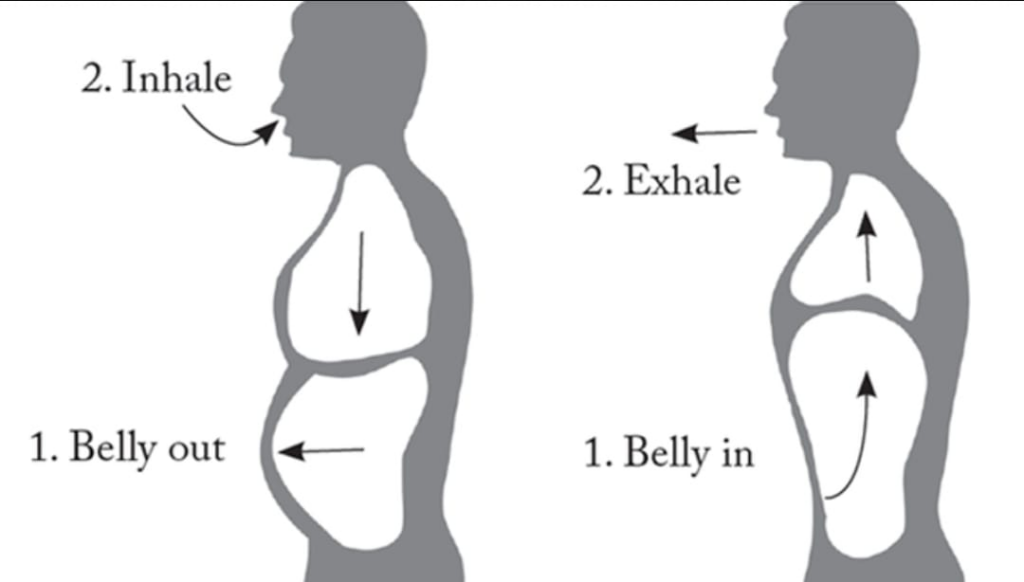
    Reverse breathing is a dysfunctional breathing pattern where the abdomen pulls inward during inhalation and pushes outward during exhalation—the opposite of natural diaphragmatic breathing.
    Many people are unaware they breathe this way because it often develops gradually, especially during prolonged stress, anxiety, chronic pain, or trauma. Over time, the body “forgets” its natural breathing rhythm.

    Why Does Reverse Breathing Happen?
    Reverse breathing is commonly associated with:

    • Chronic stress or anxiety
    • Constant tension in the abdominal muscles
    • Poor posture or prolonged sitting
    • Past illness, surgery, or pain patterns
    • Habitual breath-holding
      When the nervous system stays in survival mode, the diaphragm becomes restricted, and breathing shifts upward into the chest.

    How Reverse Breathing Affects the Body
    This pattern can quietly strain the system and may lead to:

    • Persistent fatigue
    • Shortness of breath
    • Tightness in the chest or throat
    • Digestive discomfort
    • Heightened anxiety or panic sensations
    • Poor oxygen exchange
      The body remains in a state of alertness rather than relaxation and healing.

    How to Check if You’re Reverse Breathing
    A simple awareness test:

    1. Place one hand on your chest and one on your abdomen
    2. Inhale gently through your nose
    3. Notice what moves
      If your abdomen pulls in or stays rigid while inhaling, you may be practicing reverse breathing.
      Remember—this is not a diagnosis, only an observation.

    A Simple Method to Correct Reverse Breathing
    Correction begins with gentle retraining, not force.

    Step-by-Step Practice:

    1. Sit or lie down comfortably
    2. Place both hands on your lower abdomen
    3. Inhale slowly through the nose
    4. Allow the belly to soften and expand
    5. Imagine the breath moving downward
    6. Exhale slowly through the nose
    7. Let the abdomen naturally fall inward.(Do not push or tighten)
    8. Keep the breath slow, quiet, and relaxed
      Practice for 5 minutes, once or twice daily.

    Initially, the movement may feel unfamiliar—that’s normal.

    Important Guidelines

    • Do not force the abdomen outward
    • Keep the chest, shoulders, and jaw relaxed
    • Focus on softness rather than control
    • Progress gradually
      The goal is to restore the body’s natural rhythm, not to “fix” it aggressively.

    Supporting Habits That Help
    To reinforce healthy breathing patterns:

    • Practice nasal breathing
    • Improve posture, especially spinal alignment
    • Take short breathing pauses during the day
    • Reduce habitual abdominal gripping
    • Spend time in relaxed, mindful states

    When to Be Patient With Yourself
    Reverse breathing often reflects long-standing stress patterns. It corrects best with kindness, consistency, and safety signals to the nervous system.
    Healing breathing is less about effort and more about allowing the body to remember.

    Disclaimer:
    The information provided in this blog is for educational purposes only and does not constitute medical advice. Breathing techniques may not be suitable for everyone. If you are pregnant, have respiratory or cardiovascular conditions, or are under medical care, please consult your healthcare provider before practicing any breathing exercises.
  • The Art of Proper Breathing: A Simple Practice for Better Health

    The Art of Proper Breathing: A Simple Practice for Better Health

    Breathing is the most natural thing we do—yet very few of us do it properly.
    In today’s fast-paced world, stress, anxiety, poor posture, and constant screen use have changed the way we breathe. Shallow, rapid breathing has become the norm, often without us even noticing. But when we learn to breathe correctly, it can positively impact our physical health, emotional balance, and overall well-being.

    Why Proper Breathing Matters?
    Breathing is not just about oxygen intake. It directly influences:

    • The nervous system
    • Heart rate and blood pressure
    • Digestion and metabolism
    • Emotional regulation
    • Energy levels and mental clarity
      When breathing is shallow, the body stays in a constant “fight or flight” mode. Proper breathing helps activate the parasympathetic nervous system, which supports rest, healing, and regeneration.

    Common Breathing Mistakes
    Many people unknowingly practice poor breathing habits, such as:

    • Chest breathing instead of belly breathing
    • Holding the breath during stress or concentration
    • Breathing too fast
    • Mouth breathing instead of nasal breathing
      Over time, these patterns can contribute to fatigue, anxiety, dizziness, digestive issues, and reduced stamina.

    What Is Proper Breathing?
    Proper breathing is slow, deep, and rhythmic, using the diaphragm rather than just the chest.
    Key characteristics of healthy breathing:

    • Breath flows mainly through the nose
    • The abdomen gently expands on inhalation
    • Exhalation is relaxed and slightly longer than inhalation
    • Breathing feels effortless and quiet
      This type of breathing improves oxygen exchange and signals safety to the body.

    The Role of Diaphragmatic (Belly) Breathing
    The diaphragm is the primary muscle of respiration. When used correctly:

    • Lungs fill more efficiently
    • Oxygen delivery improves
    • Stress hormones reduce
    • Posture and core stability improve

    Placing one hand on the chest and one on the abdomen can help you notice your breathing pattern. Ideally, the abdominal hand should move more than the chest hand.

    Benefits of Practicing Proper Breathing
    With consistent practice, proper breathing can:

    • Reduce anxiety and panic symptoms
    • Improve sleep quality
    • Support heart and lung health
    • Enhance digestion
    • Increase energy and focus
    • Promote emotional balance
      It is one of the simplest yet most powerful self-healing tools available.

    A Simple Breathing Practice to Start With

    Try this gentle exercise:

    • Sit or lie down comfortably
    • Close your eyes and relax your shoulders
    • Inhale slowly through the nose for 4 counts
    • Allow your belly to rise naturally
    • Exhale through the nose for 6 counts
    • Repeat for 5–10 minutes
      Practice once or twice daily, especially during moments of stress.

    Breathing as a Daily Awareness Practice
    Proper breathing is not only a technique—it’s a lifestyle habit. Bringing awareness to your breath during daily activities like walking, working, or resting can create profound changes over time.

    The breath is always with us. When we learn to use it wisely, it becomes a constant source of support, calm, and healing.

    Final Thoughts
    You don’t need expensive tools or complicated routines to improve your health. Sometimes, the most powerful healing begins with something as simple as learning how to breathe properly.
    Slow down. Breathe deeply. Let your body remember how to heal.

  • Understanding Pancha Kosha: The Five Layers of Human Existence

    Understanding Pancha Kosha: The Five Layers of Human Existence

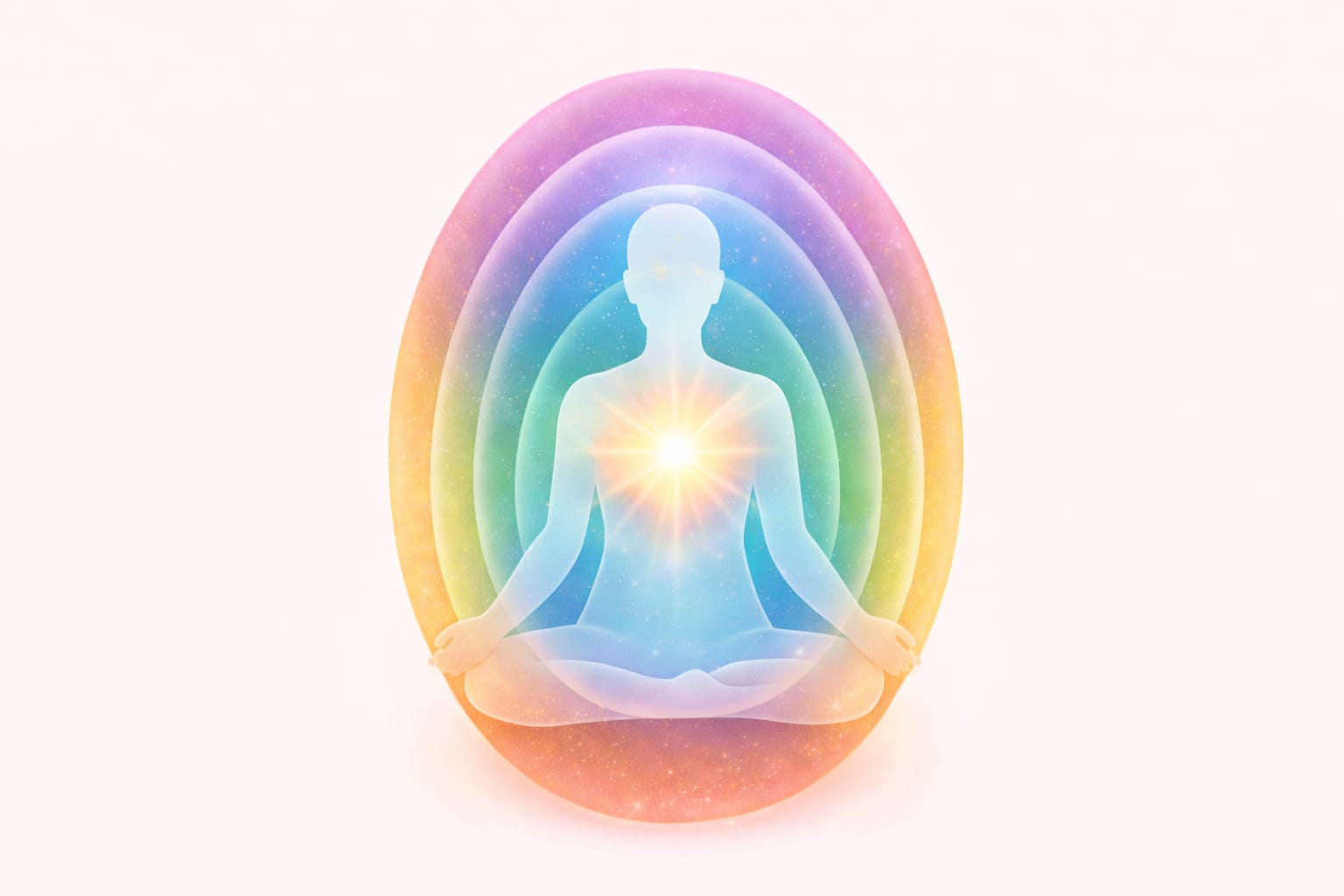
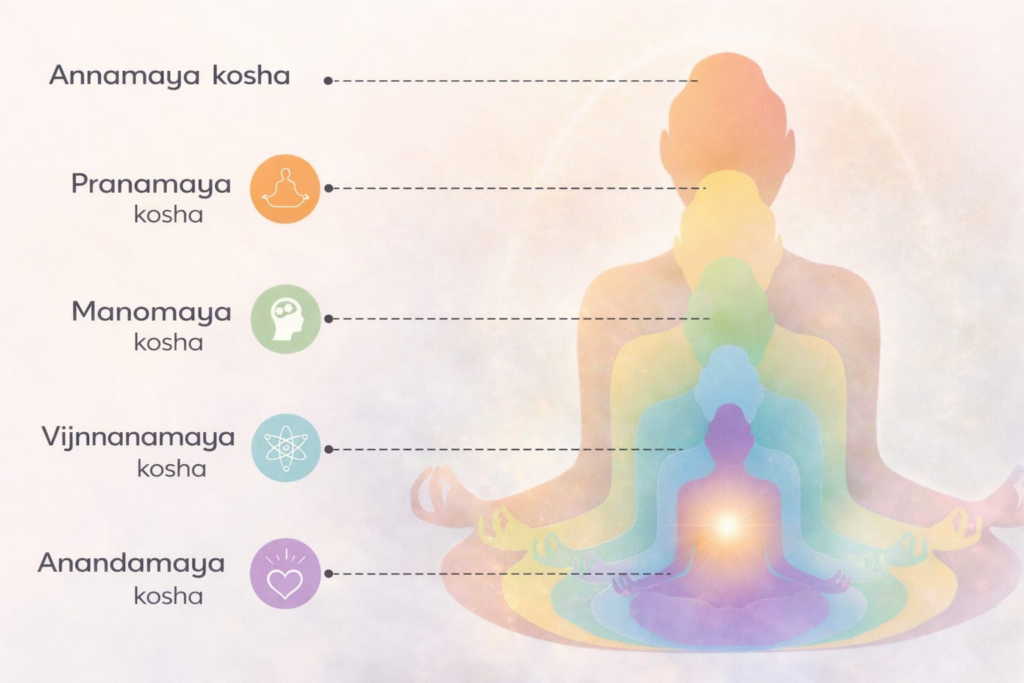
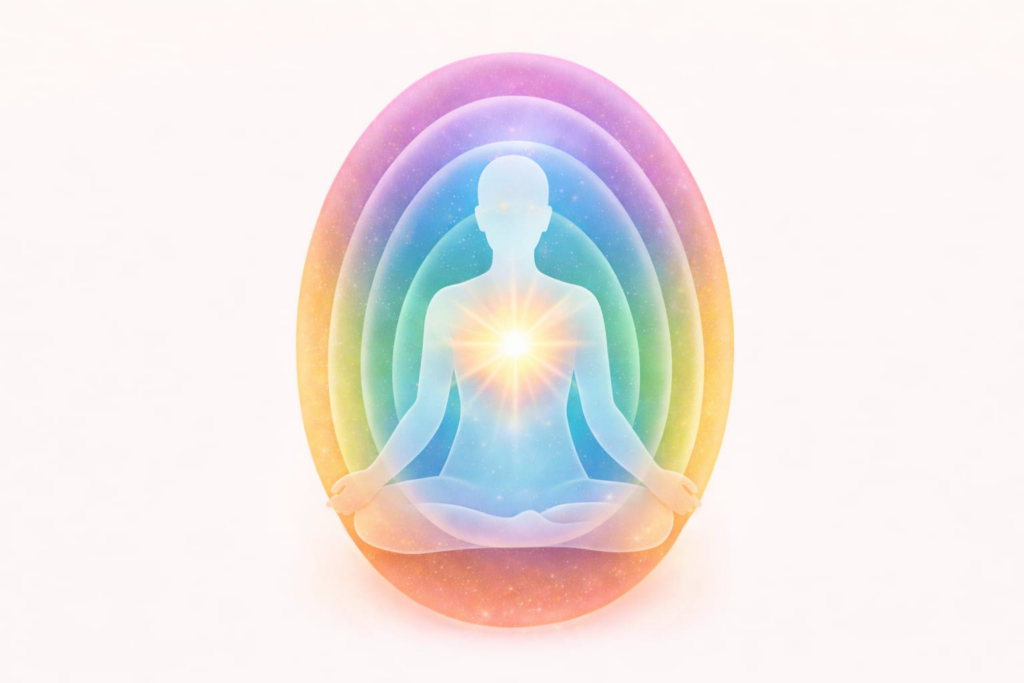
    In yogic philosophy, a human being is not seen as just a physical body. According to ancient yogic texts like the Taittiriya Upanishad, we are made up of five layers or sheaths, known as Pancha Kosha (Pancha = five, Kosha = sheath or covering).
    These koshas are like layers of an onion or nested boxes, where each layer influences the others. When one layer is disturbed, it affects the rest. Yoga is the path that helps us bring balance and awareness to all five layers.

    Let’s understand each kosha in simple terms with real-life examples.

    1. Annamaya Kosha – The Physical Body
      “Anna” means food.
      This is the outermost layer, the physical body made of food—bones, muscles, skin, organs. It grows through nourishment and eventually returns to the earth.

    👉🏻 Real-life example:

    • When you eat unhealthy food regularly, you may feel heavy, tired, or sick.
    • When you eat nourishing food, exercise, and rest well, your body feels strong and energetic.
      So, this kosha is cared for through:
    • Healthy food
    • Physical movement (asanas)
    • Proper sleep
      Most people live mainly at this level, identifying themselves only as the body.

    2. Pranamaya Kosha – The Energy Body
    “Prana” means life force or vital energy.
    This layer is responsible for breathing, circulation, digestion, and overall vitality. It connects the physical body to the mind.

    👉🏻 Real-life example:
    Have you noticed how your breathing changes when you’re anxious or angry?
    Deep, calm breathing instantly makes you feel more relaxed and stable.
    Practices that nourish this kosha:

    • Pranayama (breathing techniques)
    • Walking in fresh air
    • Conscious breathing during stress
      When prana flows freely, we feel alive and motivated.

    3. Manomaya Kosha – The Mental & Emotional Body
    This kosha deals with thoughts, emotions, reactions, fears, and memories.

    👉🏻 Real-life example:

    • One negative comment can ruin your mood for the entire day.
    • Overthinking before sleep can make your body tired even without physical work.
      This layer is shaped by:
    • Sensory experiences
    • Beliefs and conditioning
    • Emotional responses
      Yoga, mindfulness, and self-observation help calm this kosha. When the mind is disturbed, even a healthy body can feel unwell.

    4. Vijnanamaya Kosha – The Wisdom & Intellect Body
    “Vijnana” means higher knowledge or discernment.
    This is the layer of clarity, intuition, values, and inner intelligence. It helps us make conscious choices rather than impulsive reactions.

    👉🏻 Real-life example:

    • You feel angry, but instead of reacting, you pause and respond wisely.
    • You sense that a decision may look good externally, but something inside says “this is not right for me.”

    This kosha develops through:

    • Self-reflection
    • Meditation
    • Learning from life experiences
      It acts like an inner guide, helping us align actions with truth and purpose.

    5. Anandamaya Kosha – The Bliss Body
    “Ananda” means bliss or deep peace.
    This is the innermost and subtlest layer, experienced during deep meditation, selfless love, or moments of pure presence.

    👉🏻Real-life example:

    • Moments of deep peace during meditation
    • A feeling of completeness while watching a sunrise or holding a newborn
    • Happiness without any external reason
      This bliss is not excitement—it is quiet, stable, and content.

    How the Koshas Work Together?

    The koshas are interconnected:

    • A disturbed mind affects breathing.
    • Poor breathing affects physical health.
    • Inner clarity can heal emotional pain.
    • Deep peace can bring balance to all layers.
      Yoga works holistically—not fixing just one layer, but harmonizing all five.

    Why Understanding Pancha Kosha Matters Today?
    In modern life, stress, illness, and emotional burnout often happen because we focus only on the physical body or mind, ignoring the deeper layers.
    Understanding Pancha Kosha helps us:

    • See health as holistic
    • Heal from within
    • Build self-awareness
    • Experience deeper peace and purpose

    You are not just a body.
    You are body, breath, mind, wisdom, and bliss—all working together.
    Yoga is the journey of moving from the outer layers to the inner self, gently and consciously.

    Again, understanding the Pancha Kosha reminds us that healing and balance do not happen at just one level. As you move through your day, you may gently notice which layer of your being is asking for attention—the body seeking rest, the breath longing for space, the mind needing softness, or the deeper self calling for stillness. There is no need to fix or force anything. Awareness itself is a quiet act of care, and in that awareness, harmony naturally begins to unfold.

  • Chakras in Yogic Philosophy

    Chakras in Yogic Philosophy

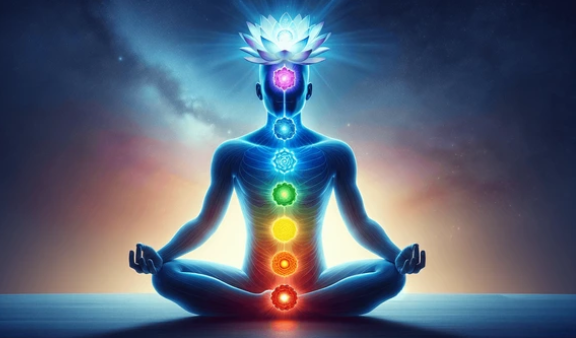
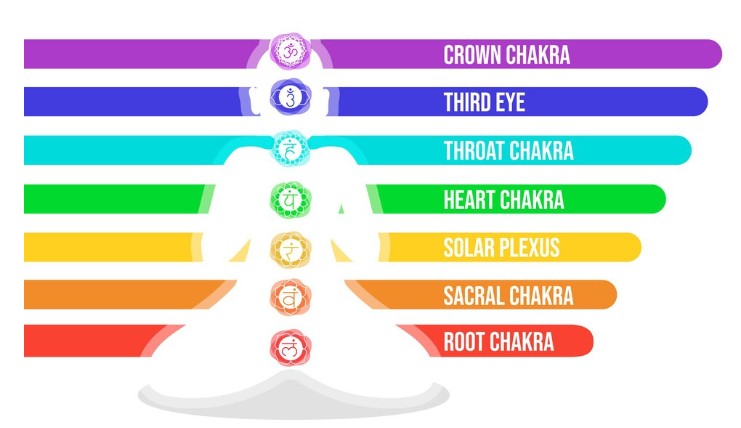
    In yogic philosophy, the human body is not only made of flesh and bones, but also of subtle energy. This life energy is called Prana. Prana flows through invisible pathways known as Nadis, and at certain important points, this energy gathers and spins. These energy centers are called Chakras.
    The word chakra comes from Sanskrit and it means “wheel” or “disc”, symbolizing spinning energy. There are seven main chakras, aligned along the spine, from the base of the spine to the top of the head. Each chakra is connected to physical health, emotions, thoughts, and spiritual growth.
    When chakras are balanced, energy flows freely and we experience well-being. When they are blocked or imbalanced, it can reflect as physical discomfort, emotional disturbances, or mental stress.

    The Seven Chakras are:

    1. Root Chakra (Muladhara)
      💫Location: Base of the spine
      💫Element: Earth
      💫Associated with: Safety, stability, survival

    The Root Chakra is our foundation. It relates to basic needs like food, shelter, health, and feeling grounded. When balanced, we feel secure and strong. When imbalanced, fear, anxiety, or insecurity may arise.

    1. Sacral Chakra (Svadhisthana)
      💫Location: Lower abdomen
      💫Element: Water
      💫Associated with: Emotions, creativity, pleasure

    This chakra governs our emotions, relationships, and creative expression. A balanced Sacral Chakra allows us to enjoy life and express feelings freely. Imbalance may show as emotional instability or lack of creativity.

    1. Solar Plexus Chakra (Manipura)
      💫Location: Upper abdomen, near the navel
      💫Element: Fire
      💫Associated with: Confidence, willpower, self-esteem

    Manipura is the center of personal power. It influences decision-making, motivation, and digestion. When balanced, we feel confident and energetic. When disturbed, it may lead to low self-esteem or anger.

    1. Heart Chakra (Anahata)
      💫Location: Center of the chest
      💫Element: Air
      💫Associated with: Love, compassion, connection

    The Heart Chakra bridges the lower and upper chakras. It represents unconditional love, empathy, and forgiveness. Balance here helps us build healthy relationships. Imbalance may lead to emotional pain or isolation.

    1. Throat Chakra (Vishuddha)
      💫Location: Throat
      💫Element: Ether (Space)
      💫Associated with: Communication, truth, expression

    This chakra governs our ability to speak truthfully and express ourselves clearly. When balanced, communication flows naturally. When blocked, one may feel unheard or struggle to express thoughts.

    1. Third Eye Chakra (Ajna)
      💫 Location: Between the eyebrows
      💫 Element: Mind
      💫 Associated with: Intuition, insight, wisdom

    Ajna is the center of awareness and inner guidance. A balanced Third Eye Chakra enhances clarity, focus, and intuition. Imbalance may cause confusion or lack of direction.

    1. Crown Chakra (Sahasrara)
      💫 Location: Top of the head
      💫 Element: Consciousness
      💫Associated with: Spiritual connection, enlightenment

    The Crown Chakra represents our connection to higher consciousness and universal energy. When open and balanced, it brings inner peace and spiritual understanding. Imbalance may result in disconnection or lack of purpose.

    Balancing the Chakras

    According to yoga, chakras can be balanced through:

    • Yoga asanas (postures)
    • Pranayama (breathing practices)
    • Meditation
    • Mantras and sound
    • Mindful living and self-awareness

    Chakra balancing is not about forcing change, but about gentle awareness and inner harmony. Also, Chakras offer a beautiful yogic map to understand the connection between body, mind, and spirit. By becoming aware of these energy centers, we can live with greater balance, health, and inner peace. Yogic practices help awaken and harmonize chakras, guiding us toward a more conscious and fulfilling life.