Category: Mental Clarity & Peace

  • The Power of Emotional Expression: Why Feeling and Sharing Matters for True Healing

    The Power of Emotional Expression: Why Feeling and Sharing Matters for True Healing

    In today’s fast-moving world, many of us are taught to “stay strong,” “not overreact,” or “move on quickly.” But what if true strength lies in something else? What if healing begins when we allow ourselves to feel?

    At Zaya Wellness, we believe that emotional expression is not weakness — it is wisdom. When we allow emotions to move through us instead of suppressing them, we create space for clarity, peace, and long-term well-being.

    Let us explore why emotional expression is so important and how it impacts your mental, physical, and spiritual health.


    What Is Emotional Expression?

    Emotional expression means acknowledging what you feel and allowing yourself to express it in healthy ways. This could be through:

    • Talking to someone you trust
    • Journaling your thoughts
    • Crying when you feel overwhelmed
    • Creative expression like art, music, or movement
    • Conscious communication in relationships

    It is not about reacting impulsively. It is about responding honestly and mindfully.


    Why Is Emotional Expression Important?

    1. Suppressed Emotions Affect the Body

    When emotions are ignored or suppressed, they don’t disappear. They stay stored in the body. Over time, this may lead to:

    • Chronic stress
    • Anxiety
    • Fatigue
    • Body pain
    • Digestive issues

    At Zaya Wellness, we often observe that unresolved emotional patterns can manifest as physical discomfort. Emotional health and physical health are deeply connected.


    2. It Improves Mental Clarity

    When you suppress emotions, your mind becomes cluttered. Unexpressed feelings create internal tension.

    But when you acknowledge and release them:

    • Your thoughts become clearer
    • Decision-making improves
    • You feel lighter and more balanced

    Emotional awareness builds emotional intelligence — the ability to understand yourself and others better.


    3. It Strengthens Relationships

    Healthy emotional expression improves communication.

    Instead of:

    • Silent resentment
    • Sudden outbursts
    • Emotional distance

    You create:

    • Honest conversations
    • Deeper trust
    • Emotional intimacy

    At Zaya Wellness, we guide individuals and couples to express emotions without blame, guilt, or fear. This creates harmony in relationships.


    4. It Reduces Anxiety and Emotional Overload

    Many people struggle with anxiety not because they feel too much — but because they don’t allow themselves to process what they feel.

    When emotions are expressed safely:

    • The nervous system calms down
    • Stress hormones reduce
    • You feel grounded

    Expression is release. Release is relief.


    Healthy Ways to Express Emotions

    Emotional expression does not mean uncontrolled reactions. It means mindful processing.

    Here are some simple practices we recommend at Zaya Wellness:

    ✨ Pause and Name the Emotion

    Instead of saying “I’m not okay,” try identifying the feeling:
    “I feel hurt.”
    “I feel afraid.”
    “I feel overwhelmed.”

    Naming the emotion reduces its intensity.

    ✨ Practice Conscious Breathing

    Deep breathing regulates the nervous system and allows emotions to move safely through the body.

    ✨ Journal Without Judgement

    Write freely. No grammar rules. No filtering. Just honesty.

    ✨ Seek Safe Support

    A therapist, counsellor, or wellness practitioner can guide you in exploring emotions without fear.


    Emotional Suppression vs Emotional Regulation

    It is important to understand the difference:

    • Suppression = Ignoring or pushing emotions away
    • Regulation = Feeling emotions but managing how you respond

    At Zaya Wellness, we focus on emotional regulation — helping you feel fully without losing control.


    Emotional Expression and Holistic Healing

    From an Ayurvedic and yogic perspective, emotional blockages can disturb the natural flow of energy in the body.

    When emotions are acknowledged:

    • Energy flows more freely
    • The mind becomes steady
    • Inner peace develops

    Healing is not just about herbs, diet, or exercise. It is also about emotional balance.


    Final Thoughts: Your Emotions Are Not the Enemy

    Your emotions are messengers. They are not here to punish you. They are here to guide you.

    When you allow yourself to feel:

    • You become more authentic
    • You build inner strength
    • You move closer to true peace

    At Zaya Wellness, we encourage you to honour your emotional world with compassion. Healing begins when you stop fighting your feelings and start listening to them.


    A Gentle Invitation from Zaya Wellness

    If you are struggling with emotional overwhelm, suppressed feelings, or relationship challenges, you are not alone. Our holistic wellness guidance combines emotional awareness, mindful practices, and traditional wisdom to support your journey.

    Because healing is not about being emotionless —
    It is about learning to feel safely.

    With care and awareness,
    Zaya Wellness

  • Reading Between the Lines: The Hidden Language of Emotions

    Reading Between the Lines: The Hidden Language of Emotions

    In our daily lives, we hear many words. But have you noticed that sometimes what people don’t say speaks louder than what they actually say?

    At Zaya Wellness, we believe that true emotional intelligence begins when you learn the art of reading between the lines. This skill can transform your relationships, improve communication, and deepen your self-awareness.

    Let’s understand what it really means and how you can practice it.


    What Does “Reading Between the Lines” Mean?

    Reading between the lines means understanding the hidden emotions, intentions, or feelings behind someone’s words.

    For example:

    • When someone says, “I’m fine,” but avoids eye contact.
    • When a partner says, “It’s okay,” but their tone sounds hurt.
    • When a colleague says, “No worries,” but their body language feels tense.

    The real message often lies in:

    • Tone of voice
    • Facial expressions
    • Body language
    • Silence

    Words are just one part of communication. Emotions complete the sentence.


    Why Is It Important in Relationships?

    Strong relationships are built on understanding — not assumptions.

    When you learn to read between the lines:

    • You respond with empathy instead of reacting defensively.
    • You notice emotional needs before they turn into conflicts.
    • You create deeper emotional safety.

    At Zaya Wellness, we often remind our clients:
    “Listen to understand, not just to reply.”

    Many conflicts happen not because of what was said — but because of what was felt and never addressed.


    The Emotional Side of Communication

    Sometimes people don’t say what they truly feel because:

    • They fear rejection.
    • They don’t want to hurt you.
    • They don’t fully understand their own emotions.
    • They were never taught how to express feelings.

    This is where emotional awareness becomes powerful.

    Instead of asking:
    “Why did they say that?”

    Try asking:
    “What might they be feeling right now?”

    This small shift changes everything.


    How to Practice Reading Between the Lines

    Here are simple steps you can start using today:

    1. Observe Without Judging

    Pay attention to tone, pauses, and body language. Notice changes without immediately creating a story in your mind.

    2. Ask Gentle Questions

    Instead of assuming, ask:

    • “You seem a little quiet today. Is everything okay?”
    • “I feel like something is bothering you. Would you like to talk?”

    This creates emotional space.

    3. Listen Fully

    Don’t interrupt. Don’t prepare your answer while the other person is speaking. Just listen.

    4. Check Your Own Emotions

    Sometimes we misread situations because of our own fears or past experiences. Self-awareness helps you respond clearly.


    Reading Between the Lines in Yourself

    This skill is not only for understanding others. It is also about understanding yourself.

    When you say:
    “I’m just tired.”

    Are you really tired?
    Or are you overwhelmed? Hurt? Disappointed?

    At Zaya Wellness, we guide individuals to pause and reflect on their inner dialogue. Many emotional wounds stay unhealed because we ignore what lies beneath our own words.


    The Balance: Don’t Overthink Everything

    Reading between the lines does not mean overanalyzing every sentence. It means becoming emotionally aware — not suspicious.

    Healthy communication also requires clarity. If something is unclear, ask. Don’t guess.


    Final Thoughts

    The art of reading between the lines is a powerful emotional skill. It builds trust, reduces misunderstandings, and strengthens connections — whether in relationships, family, friendships, or even at work.

    At Zaya Wellness, we believe healing and growth begin when we truly listen — not just to words, but to emotions.

    Because sometimes, the real message is hidden in the silence.


    If you would like, I can also generate a realistic featured image concept for this article that matches the emotional tone 🌿

  • Life in Concentric Circles: Expanding Awareness from Self to Universe

    Life in Concentric Circles: Expanding Awareness from Self to Universe

    At Zaya Wellness, we often explore powerful symbols that help us understand life in a simple yet profound way. One such timeless symbol is concentric circles — circles that share the same center but expand outward in layers.

    Though simple in appearance, concentric circles hold deep philosophical meaning. They beautifully represent the journey of human awareness, personal growth, relationships, and spiritual expansion.

    Let us explore what this symbol teaches us about life.


    What Are Concentric Circles?

    Concentric circles are circles drawn within one another, all sharing a common center point. Philosophically, the center represents the self, and each outer circle represents expanding layers of awareness, responsibility, and connection.

    This symbol reminds us that life begins within — and then gradually expands outward.


    The Center: The Inner Self

    At the very core lies you — your thoughts, emotions, values, beliefs, and consciousness.

    In philosophy and wellness traditions, self-awareness is the foundation of all growth. If the center is unstable, the outer circles cannot remain balanced.

    At Zaya Wellness, we believe true transformation begins with:

    • Mindful self-reflection
    • Emotional clarity
    • Inner healing
    • Alignment with personal values

    When you strengthen your center, every outer layer becomes stronger.


    The Second Circle: Close Relationships

    The next layer represents family, friends, and those emotionally closest to you.

    Your inner state directly influences this circle. When you are calm, aware, and centered, your relationships reflect that harmony. When you are unsettled, it radiates outward.

    This reminds us that inner peace creates outer harmony.


    The Third Circle: Society and Community

    Beyond close relationships lies your larger community — colleagues, neighbors, social groups, and society at large.

    Philosophically, this circle teaches responsibility. Your actions, words, and energy influence more people than you realize. Every small shift in awareness at the center slowly ripples outward.

    Just like a stone dropped into water, impact begins at one point and expands in circles.


    The Outer Circles: Humanity and the Universe

    The widest circles represent humanity, nature, and the universe itself.

    Many spiritual traditions describe life as interconnected. The concentric circle model visually expresses this idea — we are individuals, yet deeply connected to everything around us.

    When you grow inwardly:

    • You contribute positively to the collective.
    • You become more compassionate.
    • You act with greater responsibility toward the world.

    Expansion is not about ego — it is about awareness.


    The Philosophy Behind Concentric Circles

    The deeper message is simple:

    Everything begins at the center.

    You cannot fix the outer world without first understanding your inner world. Growth is not a straight line — it expands layer by layer.

    Concentric circles teach us:

    • Growth is gradual
    • Influence radiates outward
    • Balance starts within
    • Awareness expands infinitely

    This philosophy encourages patience. Just as circles expand evenly, true growth is steady and organic.


    How to Apply This Philosophy in Daily Life

    At Zaya Wellness, we encourage practical awareness of this model:

    1. Begin your day with inner grounding (meditation, journaling, breathwork).
    2. Strengthen close relationships through presence and empathy.
    3. Contribute consciously to your community.
    4. Act in ways that honor the interconnectedness of life.

    When you nurture the center consistently, expansion happens naturally.


    Why Concentric Circles Matter in Personal Growth

    In a fast-moving world, we often try to change external circumstances without first examining ourselves. The philosophy of concentric circles reminds us that lasting impact begins within.

    It offers a simple but powerful roadmap:
    Self → Relationships → Society → Universe

    Each layer supports the next.


    Final Reflection

    Concentric circles are more than a geometric pattern. They are a reminder that life unfolds from the inside out.

    At Zaya Wellness, we see personal growth as an expanding journey — one that starts at the center of your being and gradually radiates outward into the world.

    When you honor your center, you honor the whole.

    And when the center is aligned, the circles expand with grace.

  • The Silent Language of the Heart: The Importance of Gestures in Everyday Life

    The Silent Language of the Heart: The Importance of Gestures in Everyday Life

    In a world full of noise, sometimes the smallest actions speak the loudest. A gentle smile, a reassuring touch, a simple nod — these are gestures. They may look small, but their impact is powerful.

    At Zaya Wellness, we believe that healing and connection do not always begin with words. They often begin with gestures.

    Let us understand the true importance of gestures and how they influence our relationships, emotional health, and overall well-being.


    What Are Gestures?

    Gestures are non-verbal expressions — movements of the hands, face, body, or even small actions that communicate feelings and intentions.

    They are part of body language and emotional expression.

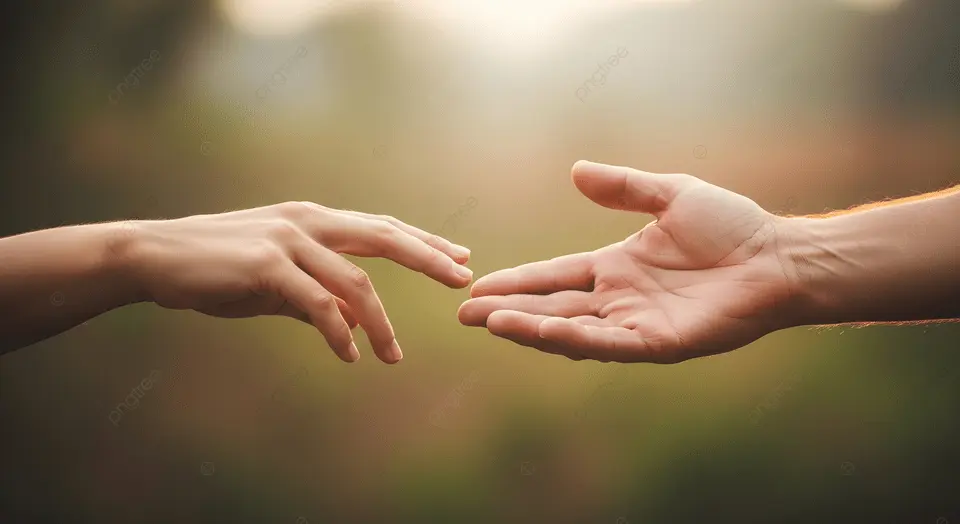
    Sometimes, a hug can say “I am here for you” more deeply than a thousand words.


    Why Are Gestures So Important?

    1. Gestures Build Emotional Connection

    Human beings crave connection. A warm handshake, a caring pat on the back, or simply maintaining eye contact builds trust and comfort.

    When words fail, gestures create understanding.

    At Zaya Wellness, we guide individuals to become more aware of their non-verbal communication because it plays a huge role in relationships — whether personal or professional.


    2. Gestures Strengthen Relationships

    In relationships, small daily gestures matter more than grand actions.

    Making tea for your partner, listening without interrupting, holding hands during a difficult time — these are gestures of love and respect.

    Consistency in small gestures creates emotional security.


    3. Gestures Reflect Inner Emotions

    Your body speaks your truth.

    If someone is anxious, their gestures may become restless. If someone feels confident, their posture becomes open and steady.

    By becoming aware of our gestures, we understand our emotional state better. This self-awareness is the first step towards emotional healing.


    4. Gestures Influence Mental Health

    Positive gestures — like smiling, offering help, or practicing gratitude — can improve mood and reduce stress.

    Even research shows that simple acts of kindness trigger feel-good hormones in the brain.

    At Zaya Wellness, we encourage mindful gestures as part of conscious living practices. When your actions align with compassion, your inner world becomes calmer.


    5. Gestures Create a Positive Environment

    Energy spreads.

    When you greet someone warmly, you change the energy of the room. When you show patience instead of anger, you shift the emotional atmosphere.

    Your gestures have the power to influence not just your life, but the lives of others around you.


    Mindful Gestures: A Simple Practice

    Here are a few small yet powerful gestures you can start practicing today:

    • Maintain eye contact while listening
    • Offer a genuine smile
    • Express gratitude daily
    • Avoid dismissive body language
    • Give your full attention during conversations

    These small actions build strong emotional foundations.


    Final Thoughts: Speak Without Words

    Gestures are the silent language of the heart.

    They show empathy, kindness, confidence, and love. In many situations, they are more honest than spoken words.

    At Zaya Wellness, we believe that healing begins with awareness. When you become mindful of your gestures, you become mindful of your energy. And when your energy changes, your life changes.

    So today, ask yourself —

    What are your gestures saying about you?

  • This Too Shall Pass: Finding Strength in Life’s Temporary Moments

    This Too Shall Pass: Finding Strength in Life’s Temporary Moments

    In life, nothing stays the same forever. Happiness changes. Pain changes. Situations change. Even the emotions that feel unbearable today will not remain the same tomorrow. The simple yet powerful reminder — “This too shall pass” — carries deep wisdom for anyone going through difficult times.

    At Zaya Wellness, we often remind our clients that both joy and sorrow are temporary. Understanding this truth can bring peace, patience, and emotional balance.


    What Does “This Too Shall Pass” Really Mean?

    The phrase means that every phase of life — good or bad — is temporary.

    When you are facing stress, heartbreak, failure, illness, or confusion, it may feel like it will last forever. But time has its own healing power. Just as seasons change, so do circumstances.

    And here is something important — even the happy moments pass. That is why we must learn to stay grounded during success and hopeful during struggle.


    Why We Forget That Pain Is Temporary

    When we are in emotional pain, our mind magnifies the situation. Stress hormones rise, thoughts become repetitive, and we start believing:

    • “This will never get better.”
    • “My life will always be like this.”
    • “I cannot handle this.”

    But these are temporary thoughts about a temporary situation.

    At Zaya Wellness, we guide people to shift from reacting emotionally to observing calmly. When you pause and breathe, you create space between you and your emotions. And in that space, healing begins.


    How to Stay Strong During Tough Times

    Here are simple and practical ways to live by the wisdom of “This too shall pass”:

    1. Pause and Breathe

    Deep breathing helps calm the nervous system. Even 5 minutes of slow breathing can reduce anxiety and bring clarity.

    2. Avoid Permanent Decisions in Temporary Emotions

    Strong emotions can cloud judgment. Give yourself time before reacting or deciding.

    3. Focus on Small Wins

    Instead of trying to fix everything, focus on one small positive action daily. Small steps create big changes over time.

    4. Stay Connected

    Talk to someone you trust. Sharing reduces emotional burden.

    5. Practice Mindfulness

    Observe your feelings without judging them. Emotions are like waves — they rise, peak, and fall.


    Remember: Good Times Also Pass

    The phrase is not only for difficult days. It is also a reminder to stay humble during success. Fame, praise, wealth, and recognition are also temporary.

    When we understand impermanence, we:

    • Become less attached
    • Become more grateful
    • Stay emotionally balanced
    • Live more consciously

    The Zaya Wellness Perspective

    At Zaya Wellness, we believe emotional resilience is the key to a peaceful life. Life is a journey of ups and downs. When you deeply accept that everything is temporary, fear reduces and inner strength increases.

    Instead of asking:
    “Why is this happening to me?”

    Try asking:
    “What is this phase teaching me?”

    Every experience, whether painful or pleasant, carries growth within it.


    Final Thoughts

    If you are going through a challenging time right now, take a gentle breath and remind yourself:

    This too shall pass.

    You have survived difficult days before. You will survive this one too.

    And if you are in a happy phase — cherish it fully, live it mindfully, and stay grateful.

    At Zaya Wellness, we are here to remind you that nothing is permanent — not pain, not success, not stress, not confusion. What remains constant is your inner strength.

  • The Illusion of Perfection: Finding Wholeness in Being Human

    The Illusion of Perfection: Finding Wholeness in Being Human

    In today’s fast-moving world, the idea of perfection quietly shapes how we think, act, and even judge ourselves. Perfect bodies. Perfect careers. Perfect relationships. Perfect lives. But at Zaya Wellness, we believe it’s time to pause and ask a deeper question — What does perfection truly mean?

    Is it flawlessness? Or is it something far more human?


    What Is Perfection, Really?

    Perfection is often described as a state without flaws. A finished masterpiece. A complete and ideal form. Yet, when we look at nature, we see something different.

    The ocean waves are never identical.
    The moon has marks and shadows.
    Trees grow in unique, uneven shapes.

    And still, we call them beautiful.

    Perhaps perfection is not about being flawless. Perhaps it is about being authentic.


    The Pressure of Being Perfect

    In modern society, perfection has become a silent burden. Social media shows filtered realities. Productivity culture glorifies constant achievement. We begin to believe that anything less than perfect is failure.

    This pressure can affect our:

    • Mental health
    • Self-esteem
    • Relationships
    • Inner peace

    At Zaya Wellness, we often meet individuals who feel exhausted by chasing an ideal that constantly shifts. The truth is, perfectionism can disconnect us from joy. When we focus only on what is missing, we forget to appreciate what is present.


    The Philosophy of Imperfection

    Philosophically speaking, perfection may not lie in flawless outcomes but in complete acceptance.

    A cracked pot still carries water.
    A scar tells a story of healing.
    A mistake becomes wisdom.

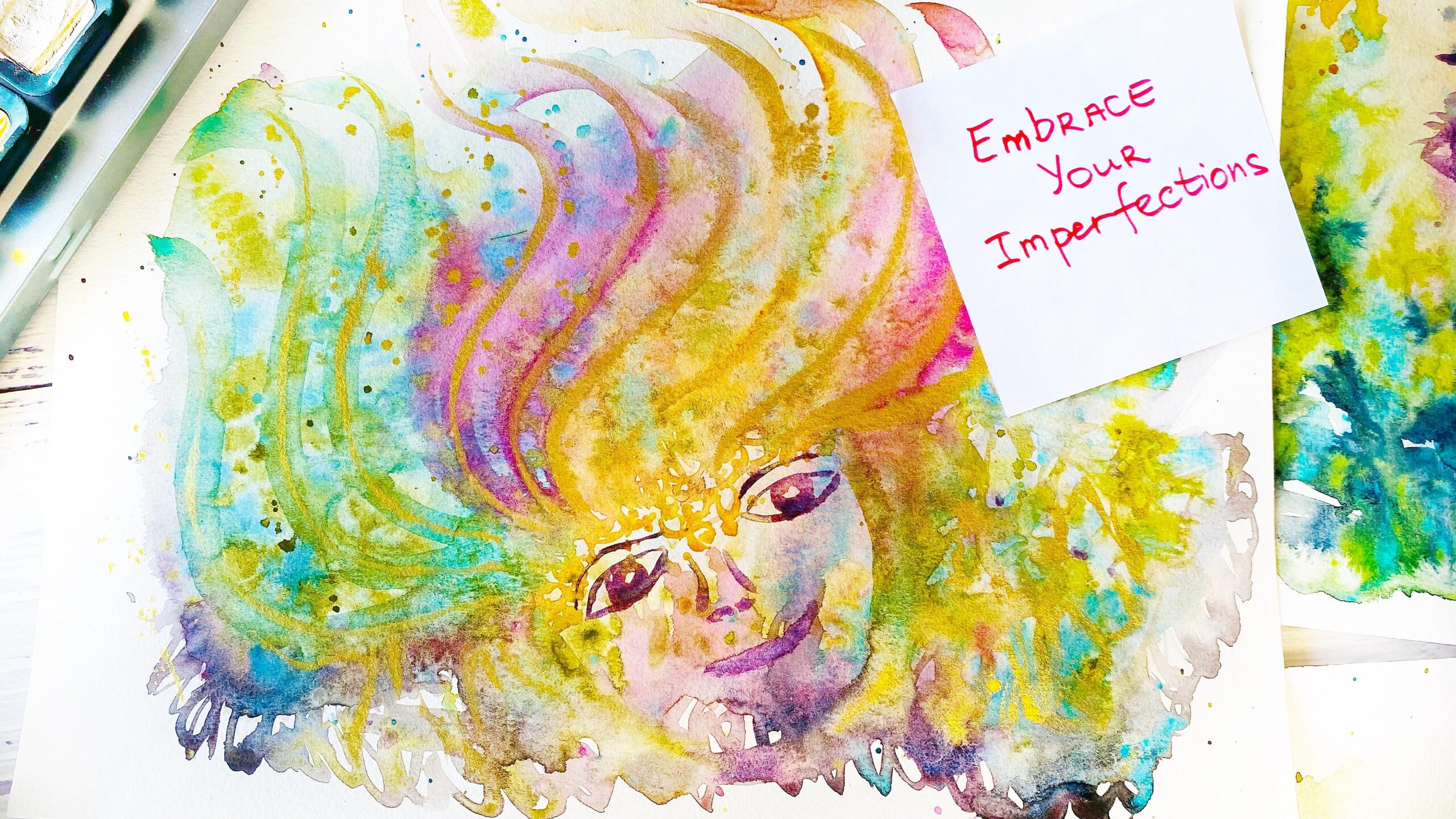
    Imperfections are not weaknesses. They are signs of growth.

    When we accept our flaws, we create space for self-compassion. And self-compassion is one of the strongest foundations of emotional wellness.


    Perfection vs. Progress

    There is a powerful difference between striving for excellence and demanding perfection.

    • Excellence encourages growth.
    • Perfectionism demands impossibility.

    Excellence says, “Do your best.”
    Perfectionism says, “Your best is never enough.”

    At Zaya Wellness, we encourage progress over perfection. Healing is not linear. Growth is not symmetrical. Life is not a straight line — and that is what makes it meaningful.


    The Beauty of Being Whole

    True perfection may actually mean wholeness.

    Wholeness includes:

    • Strength and vulnerability
    • Confidence and doubt
    • Success and failure

    When we allow ourselves to be fully human, we experience deeper freedom. We stop performing and start living.

    Perfection is not a destination. It is not a flawless image. It is a quiet acceptance of who we are in this moment.


    How to Release the Need for Perfection

    If you often feel trapped by perfectionism, here are gentle practices we recommend at Zaya Wellness:

    1. Practice Self-Awareness – Notice when your inner critic becomes too loud.
    2. Redefine Success – Focus on effort, not just results.
    3. Allow Mistakes – Growth always includes learning.
    4. Celebrate Small Wins – Progress deserves recognition.
    5. Practice Mindfulness – Stay present instead of chasing an ideal future.

    Final Thoughts: Perfection Is a Myth, Presence Is Power

    Perfection, as society defines it, may always remain out of reach. But peace, growth, and self-acceptance are within our grasp.

    At Zaya Wellness, we believe that true wellness begins when we stop trying to be perfect and start choosing to be present. You are not a project to fix. You are a journey to experience.

    And perhaps, in that acceptance, lies the most beautiful form of perfection.

  • The Art of Reply: How the Way We Respond Shapes Our Inner World

    The Art of Reply: How the Way We Respond Shapes Our Inner World

    In today’s fast-moving world, conversations happen instantly. Messages are typed in seconds. Opinions are shared without pause. But at Zaya Wellness, we believe that how we reply matters more than how fast we reply.

    A reply is not just a response. It is a reflection of our awareness, emotional balance, and spiritual growth.

    Let us explore the different styles of reply — not from a social media perspective, but from a philosophical and mindful one.


    1. The Reactive Reply

    This is the most common style.
    It is immediate. Emotional. Often impulsive.

    A reactive reply comes from:

    • Hurt
    • Ego
    • Anger
    • Fear
    • Defensiveness

    When someone criticizes us, we defend.
    When someone attacks, we counterattack.

    Philosophically, this reply comes from the surface of the mind. It is driven by ego-consciousness. It keeps conflict alive and drains our inner peace.

    At Zaya Wellness, we remind ourselves:
    Reaction is automatic. Response is conscious.


    2. The Defensive Reply

    This style may sound calm, but it carries subtle resistance.

    It often includes:

    • Justifications
    • Explanations
    • Proving oneself right
    • Protecting one’s image

    While it may not be loud, it still arises from insecurity. The defensive reply is rooted in the need to be validated.

    Spiritually speaking, this style is connected to identity attachment — the fear of being misunderstood.

    True strength does not always need explanation.


    3. The Silent Reply

    Sometimes, the most powerful reply is silence.

    Silence is not weakness.
    Silence is not avoidance.
    Silence can be wisdom.

    Philosophers and spiritual masters have long valued silence as a response when:

    • The other person is not ready to understand
    • Words would create more harm
    • The situation requires observation rather than reaction

    A silent reply creates space. And space creates clarity.

    At Zaya Wellness, we encourage mindful pauses before speaking. A pause can prevent regret.


    4. The Compassionate Reply

    This is a higher style of response.

    Instead of reacting to words, we respond to the emotion behind them.

    When someone speaks harshly, a compassionate reply asks:

    • What pain might they be carrying?
    • What fear might be driving this?

    Compassion does not mean agreement. It means understanding.

    Philosophically, this reply comes from awareness and emotional maturity. It reduces conflict and builds connection.


    5. The Conscious Reply

    The conscious reply is balanced.

    It is:

    • Calm
    • Clear
    • Honest
    • Respectful
    • Rooted in self-awareness

    It does not attack.
    It does not defend unnecessarily.
    It does not suppress truth.

    Instead, it speaks from inner stability.

    This style reflects mindfulness, emotional intelligence, and spiritual grounding. It is the reply of someone who knows that peace is more important than winning an argument.


    6. The Transformative Reply

    The highest style of reply is one that transforms the conversation.

    It shifts:

    • Conflict into clarity
    • Anger into understanding
    • Confusion into wisdom

    A transformative reply comes from deep self-awareness. It uplifts not only the listener but also the speaker.

    At Zaya Wellness, we believe every conversation is an opportunity for growth.


    Why Understanding the Styles of Reply Matters

    Our replies shape:

    • Our relationships
    • Our mental health
    • Our emotional well-being
    • Our spiritual journey

    Every reply is a choice.

    We can choose ego or awareness.
    We can choose reaction or reflection.
    We can choose conflict or connection.

    The way we respond reflects the state of our inner world.


    How to Cultivate a Conscious Reply

    Here are simple practices we recommend at Zaya Wellness:

    • Pause Before Speaking

    Take one deep breath.

    • Observe Your Emotion

    Are you hurt? Angry? Defensive?

    • Ask Yourself

    Am I replying to win — or to understand?

    • Choose Peace Over Ego

    Inner peace is more valuable than temporary victory.


    Final Reflection

    Life is not just about what happens to us. It is about how we reply to it.

    When we change our style of reply, we change our experience of life itself.

    At Zaya Wellness, we believe that mindful communication is a path to inner balance. Because sometimes, the greatest transformation does not begin with changing others — it begins with changing how we respond.

  • The Power of Words: How What You Say Shapes Your Reality

    The Power of Words: How What You Say Shapes Your Reality

    Words are not just sounds. They are energy. They carry emotion, intention, and vibration. At Zaya Wellness, we believe that the power of words can shape your mindset, relationships, health, and even your future.

    Have you ever noticed how a single sentence can lift your mood or break your confidence? That is the true power of words.

    Why Words Matter More Than We Think

    Every word you speak or hear creates an impact. Words influence:

    • Your thoughts
    • Your emotions
    • Your relationships
    • Your self-image
    • Your mental and physical health

    When someone says, “You can do this,” your energy rises.
    When someone says, “You will never succeed,” doubt enters your mind.

    Over time, repeated words become beliefs. And beliefs shape your reality.

    The Science Behind the Power of Words

    Research shows that positive words can reduce stress, improve emotional balance, and increase motivation. On the other hand, harsh or negative words can trigger stress hormones and anxiety.

    Your brain does not always distinguish between reality and repeated language. If you keep telling yourself, “I am not good enough,” your brain starts accepting it as truth.

    That is why positive self-talk is not just motivation — it is mental conditioning.

    The Power of Words in Relationships

    Words can heal or hurt. They can build trust or break connection.

    Simple phrases like:

    • “I appreciate you.”
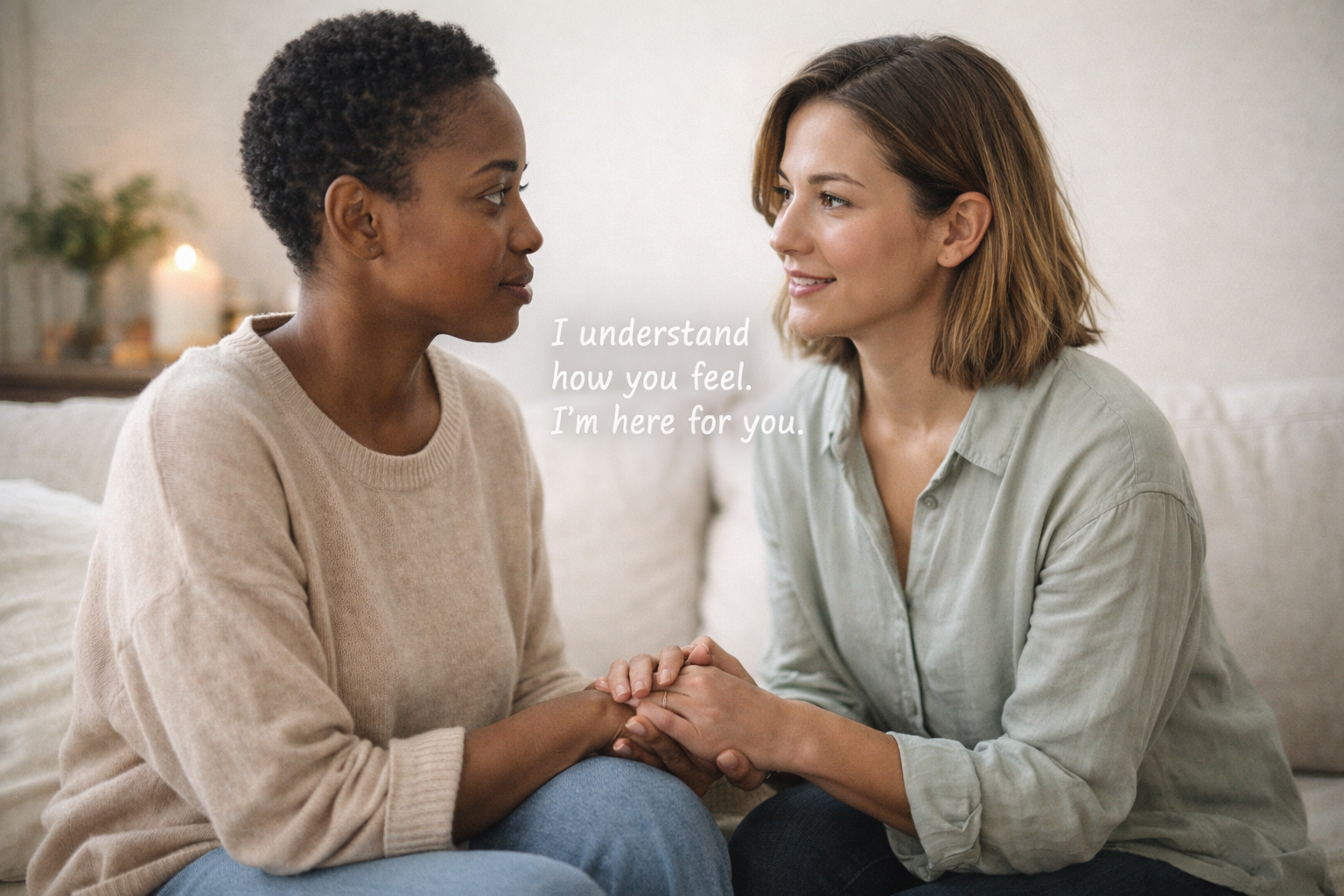
    • “I understand how you feel.”
    • “Thank you.”
    • “I am sorry.”

    These words may look small, but they carry emotional strength. Healthy communication builds emotional safety, which is the foundation of every strong relationship.

    At Zaya Wellness, we guide individuals and couples to become more mindful about the language they use — especially during conflicts.

    The Power of Words and Self-Talk

    The most important conversation you have is the one inside your mind.

    Ask yourself:

    • Do I speak kindly to myself?
    • Do I constantly criticize myself?
    • Do I encourage myself the way I encourage others?

    Your inner dialogue shapes your confidence, self-worth, and emotional health.

    Instead of saying:
    “I always fail.”

    Try:
    “I am learning and improving.”

    This small shift changes your emotional state instantly.

    Words and Energy: Speak What You Want to Create

    Your words are like seeds. Whatever you repeatedly speak grows in your life.

    If you constantly speak fear, doubt, and negativity, your mind searches for proof of those words.
    If you speak hope, growth, and gratitude, your mind begins to align with those possibilities.

    This does not mean ignoring reality. It means choosing conscious language.

    At Zaya Wellness, we encourage mindful speech — speaking with awareness, compassion, and intention.

    Simple Ways to Use the Power of Words Positively

    Here are practical steps you can start today:

    1. Practice positive affirmations daily.
    2. Avoid labeling yourself negatively.
    3. Speak calmly during conflicts.
    4. Replace criticism with constructive language.
    5. Express gratitude openly.

    Small changes in language create powerful shifts in life.

    Final Thoughts: Choose Words That Heal

    The power of words is real. Words can break a spirit or build a future. They can create fear or inspire courage.

    At Zaya Wellness, we believe healing begins with awareness — and awareness begins with the words we choose.

    Speak with intention.
    Speak with kindness.
    Speak the life you want to live.

    Because your words are not just expressions — they are creations.

  • Do You Have Time? – Or Is Time Having You?

    Do You Have Time? – Or Is Time Having You?

    In today’s fast-moving world, one sentence has become very common:

    “I don’t have time.”

    We say it when we skip workouts.
    We say it when we ignore our emotions.
    We say it when relationships need attention.
    We even say it when our own health asks for care.

    But let us pause for a moment and gently ask —
    Do you really not have time? Or are you not giving time to what truly matters?

    At Zaya Wellness, we often see that the real issue is not lack of time. It is lack of awareness.


    What Does “Not Having Time” Really Mean?

    When someone says, “I don’t have time,” it usually means:

    • I feel overwhelmed.
    • I am constantly busy.
    • I don’t know how to prioritise.
    • I am emotionally exhausted.
    • I am running on autopilot.

    Time is the same for everyone — 24 hours.
    But energy, clarity, and emotional balance differ.

    When your mind is cluttered, even one hour feels short.
    When your mind is calm, even a few minutes feel enough.


    The Hidden Cost of “No Time”

    Saying “I don’t have time” repeatedly affects different areas of life:

    1️⃣ Health

    Skipping meals, exercise, rest, and regular checkups slowly impacts your body. Stress hormones rise. Fatigue increases.

    2️⃣ Relationships

    Conversations become shorter. Emotional connection weakens. Small misunderstandings grow bigger.

    3️⃣ Career

    Burnout becomes common. Productivity drops. Creativity fades.

    4️⃣ Mental Wellbeing

    Anxiety increases. Sleep suffers. Inner peace feels distant.

    At Zaya Wellness, we believe that time mismanagement is often emotional mismanagement.


    Why We Feel We Don’t Have Time

    Here are some deeper reasons:

    • Fear of slowing down
    • Addiction to productivity
    • Guilt when resting
    • Poor boundaries
    • Overcommitment
    • Lack of self-awareness

    Sometimes staying busy is easier than sitting quietly with our thoughts.

    But avoiding yourself does not create more time — it creates more stress.


    How to Create Time (Without Adding More Hours)

    You cannot increase time.
    But you can increase presence.

    Here are simple, practical steps we guide our clients with at Zaya Wellness:

    🌿 1. Start with 10 Minutes for Yourself

    Don’t aim for one hour. Start small.
    10 minutes of silence, breathing, journaling, or stretching.

    Consistency matters more than duration.

    🌿 2. Identify Energy Drainers

    Notice what drains you:

    • Social media scrolling?
    • Negative conversations?
    • Saying “yes” when you mean “no”?

    Protect your energy. Time will automatically feel larger.

    🌿 3. Practice Conscious Pauses

    Before saying “I don’t have time,” pause and ask:

    • Is this truly important?
    • Am I avoiding something?
    • Can I reschedule instead of cancelling?

    Awareness changes everything.

    🌿 4. Schedule Self-Care Like a Meeting

    If it’s not in your calendar, it won’t happen.
    Block time for:

    • Exercise
    • Meditation
    • Family conversations
    • Therapy or healing sessions

    Treat it as non-negotiable.

    🌿 5. Redefine Productivity

    Rest is productive.
    Healing is productive.
    Saying no is productive.

    At Zaya Wellness, we help individuals move from “I am busy” to “I am balanced.”


    The Truth About Time and Inner Peace

    Time is not the enemy.
    Disconnection is.

    When you are disconnected from your body, emotions, and priorities, life feels rushed.

    When you reconnect with yourself, even a busy life feels meaningful.

    The question is not “Do you have time?”
    The real question is:

    Are you choosing wisely where your time goes?


    A Gentle Reflection for You

    Today, take a deep breath and ask yourself:

    • What am I postponing?
    • Who am I postponing?
    • Am I postponing myself?

    Because one day, time will not ask you if you were busy.
    It will only reflect how consciously you lived.


    Final Thoughts from Zaya Wellness

    At Zaya Wellness, we believe that time management begins with self-management.

    If you constantly feel that you don’t have time, it may be your mind asking for clarity, boundaries, and emotional healing.

    You deserve time.
    For your health.
    For your peace.
    For your growth.

    And it starts with one small decision —
    To show up for yourself.

  • At the Crossroads of Life: Choosing with Clarity, Courage, and Consciousness

    At the Crossroads of Life: Choosing with Clarity, Courage, and Consciousness

    Every one of us reaches a crossroads at some point in life.

    It may be about career.
    It may be about a relationship.
    It may be about health, purpose, or self-worth.

    At Zaya Wellness, we often meet people who feel stuck at these crossroads — confused, anxious, and afraid of making the “wrong” choice. If you are standing at such a point right now, take a deep breath. Crossroads are not punishments. They are invitations.


    What Does “Crossroads” Really Mean?

    A crossroads is a point where two or more paths meet. In life, it represents a decision-making moment — when continuing the same way is no longer possible.

    You might ask yourself:

    • Should I stay in this job or change my career?
    • Should I hold on to this relationship or let go?
    • Should I ignore my health or finally prioritise it?
    • Should I stay silent or express my truth?

    These moments can feel overwhelming. But they are also powerful turning points.


    Why Do Crossroads Feel So Difficult?

    Standing at a crossroads creates uncertainty. The human mind likes comfort and predictability. When faced with change, it triggers fear:

    • Fear of failure
    • Fear of judgment
    • Fear of loss
    • Fear of regret

    At Zaya Wellness, we guide our clients to understand that fear does not mean “stop.” Fear often means “growth is near.”

    Crossroads challenge your old identity and invite you to evolve.


    The Emotional Side of Being at a Crossroads

    Many people experience:

    • Restlessness
    • Sleeplessness
    • Self-doubt
    • Emotional confusion
    • Overthinking

    You may replay conversations in your head. You may imagine worst-case scenarios. You may seek constant advice but still feel unsure.

    This is natural.

    A crossroads shakes your comfort zone because it asks you to choose not just a path — but a version of yourself.


    How to Make the Right Decision at a Crossroads

    Here are simple and practical steps we recommend at Zaya Wellness:

    1. Pause Before You Decide

    Do not choose from panic. When emotions are high, clarity is low. Take time to calm your nervous system.

    2. Listen to Your Body

    Your body often knows before your mind does. Notice:

    • Does one option feel heavy?
    • Does another feel lighter and expansive?

    3. Separate Fear from Intuition

    Fear is loud and urgent.
    Intuition is calm and steady.

    Learning to identify this difference is life-changing.

    4. Imagine Your Future Self

    Ask yourself:

    • Five years from now, which decision will make me proud?
    • Which path aligns with my values?

    5. Accept That No Path Is Perfect

    Every road has challenges. The goal is not to avoid difficulty — it is to choose growth.


    Crossroads and Personal Growth

    Some of the most meaningful transformations begin at crossroads:

    • Leaving a toxic environment
    • Starting a new career
    • Setting boundaries
    • Choosing self-care
    • Healing old emotional wounds

    At Zaya Wellness, we believe that crossroads are spiritual checkpoints. They ask you:

    “Are you living on autopilot, or are you choosing consciously?”


    Signs You Are at a Crossroads in Life

    For SEO clarity and awareness, here are common signs:

    • Feeling stuck or uninspired
    • Constant inner conflict
    • Sudden life changes
    • Repeated patterns that no longer serve you
    • A deep desire for something more

    Recognising the signs is the first step toward conscious change.


    How Zaya Wellness Supports You at Your Crossroads

    At Zaya Wellness, we offer a safe space where you can:

    • Explore your fears without judgment
    • Gain clarity through guided reflection
    • Heal emotional blocks
    • Build confidence in decision-making
    • Strengthen your inner voice

    We do not tell you which path to choose. We help you discover the path that already feels true within you.


    Final Thoughts: Crossroads Are Not the End

    Standing at a crossroads does not mean you are lost. It means you are evolving.

    Every meaningful journey includes moments of uncertainty. The key is not choosing the “easiest” road — it is choosing the one aligned with your growth.

    If you are at a crossroads today, remember:

    You are not confused.
    You are transforming.

    And sometimes, the most beautiful chapters of life begin exactly where the old road ends.