Category: Mental Clarity & Peace

  • Taming the Monkey Mind: Finding Calm in a World Full of Noise

    Taming the Monkey Mind: Finding Calm in a World Full of Noise

    In today’s fast-moving world, many of us struggle with a restless and distracted mind. Thoughts jump from one worry to another, from past regrets to future fears — almost like a monkey swinging from branch to branch. This is what we often call the “monkey mind.”

    At Zaya Wellness, we gently guide our clients to understand and calm this mental chatter, so they can live with clarity, focus, and inner peace.


    What Is a Monkey Mind?

    The term monkey mind comes from ancient yogic and Buddhist teachings. It describes a mind that is:

    • Restless
    • Overthinking constantly
    • Easily distracted
    • Anxious about the future
    • Stuck in the past

    Instead of staying present, the monkey mind keeps jumping from one thought to another. It creates unnecessary stress and makes it difficult to feel calm.

    If you often find yourself thinking:

    • “What if something goes wrong?”
    • “Why did I say that?”
    • “What will happen tomorrow?”
    • “Am I good enough?”

    You may be experiencing the monkey mind.


    Why Does the Monkey Mind Happen?

    Our brain is designed to think. It constantly scans for danger, solves problems, and plans ahead. But when this natural process becomes excessive, it turns into overthinking.

    Common reasons include:

    • Stress and work pressure
    • Relationship conflicts
    • Fear of failure
    • Social comparison
    • Lack of emotional expression
    • Too much screen time

    Over time, this mental overload can lead to anxiety, irritability, poor sleep, and emotional exhaustion.


    Signs Your Monkey Mind Is Too Active

    At Zaya Wellness, we often see clients who are unaware that their mental restlessness is the root cause of their discomfort. Some common signs include:

    • Difficulty concentrating
    • Trouble sleeping
    • Constant self-doubt
    • Feeling mentally tired even without physical work
    • Overanalyzing conversations
    • Emotional ups and downs

    Recognizing these signs is the first step toward healing.


    How to Calm the Monkey Mind

    The good news? You don’t have to fight your thoughts. You simply have to observe them.

    At Zaya Wellness, we encourage simple and practical techniques to quiet the monkey mind:

    1. Practice Mindful Breathing

    Take 5 minutes daily to focus only on your breath. Slow, deep breathing tells your nervous system that you are safe.

    2. Become the Observer

    Instead of saying, “I am anxious,” try saying, “I notice that anxiety is present.”
    This small shift creates emotional distance from your thoughts.

    3. Limit Mental Clutter

    Reduce unnecessary scrolling, overexposure to news, and constant notifications. Give your mind space to rest.

    4. Write It Out

    Journaling helps release repetitive thoughts. When thoughts are written down, they lose their intensity.

    5. Move Your Body

    Yoga, walking, or stretching helps release stored stress from the body and naturally calms the mind.

    6. Emotional Healing

    Sometimes, the monkey mind is triggered by unresolved emotions. Healing the inner child, practicing forgiveness, and emotional expression can reduce mental noise significantly.


    Monkey Mind and Emotional Wellness

    The monkey mind is not your enemy. It is simply an overactive protector trying to keep you safe.

    At Zaya Wellness, we believe the goal is not to silence the mind completely but to build a healthy relationship with it. When you stop fighting your thoughts and start observing them, you move from chaos to clarity.

    From “I am my thoughts”
    To
    “I am the observer of my thoughts.”

    That shift changes everything.


    Final Thoughts

    A restless mind can make life feel overwhelming. But with awareness, patience, and the right practices, calmness becomes possible.

    If you are struggling with constant overthinking or anxiety, know that you are not alone. At Zaya Wellness, we are here to support your journey toward mental clarity and emotional balance.

    Your mind can be trained.
    Your peace is possible.
    And your calm is within reach.

  • Watching the Waves: Finding Calm in Life’s Uncertainty

    Watching the Waves: Finding Calm in Life’s Uncertainty

    A gentle guide to emotional balance by Zaya Wellness


    Life often feels like standing on the shore and watching the waves. Some are gentle and peaceful. Some are strong and unexpected. They rise, they fall, and then they disappear.

    At Zaya Wellness, we believe this simple metaphor carries a powerful truth:

    Everything in life is temporary.

    Your career highs and lows.
    Your relationship challenges.
    Your health struggles.
    Your emotional ups and downs.

    Like waves, they come and go.

    This blog will help you understand how to emotionally manage uncertainty and maintain inner calm — even when life feels unpredictable.


    🌊 Why “Watching the Waves” Is a Powerful Life Metaphor

    When we stand near the ocean, we don’t try to stop the waves. We don’t panic when a big wave approaches. And we don’t assume the calm water will stay forever.

    We simply watch.

    Life works the same way.

    • A promotion? A wave.
    • A setback? A wave.
    • A misunderstanding? A wave.
    • Anxiety or fear? Also a wave.

    Nothing stays forever.

    The problem begins when we identify ourselves with the wave instead of remaining the watcher.

    At Zaya Wellness, we guide our clients to shift from:

    “I am the wave”
    to
    “I am the observer of the wave.”

    That shift changes everything.


    💭 The Emotional Side of Uncertainty

    Uncertainty triggers fear because the human mind wants control.

    When we don’t know what will happen:

    • The heart beats faster.
    • The mind creates negative stories.
    • We imagine worst-case scenarios.
    • We try to hold tightly to people, outcomes, or comfort.

    But here is the truth:

    Control is an illusion. Awareness is power.

    Uncertainty is not the enemy. Resistance is.

    When you fight the wave, you suffer.
    When you observe the wave, you grow.


    🧠 Why We Struggle With Temporary Situations

    We struggle because:

    1. We attach our identity to situations.
    2. We expect permanence in an impermanent world.
    3. We fear loss more than we value growth.
    4. We forget that every past difficulty has already passed.

    Pause for a moment.

    How many emotional waves have you survived already?

    You are still here.

    That means you are stronger than you think.


    🌿 Practical Ways to Manage Emotional Uncertainty

    Here are simple and powerful tools we often suggest at Zaya Wellness:

    1️⃣ Practice “Pause and Observe”

    When emotions rise:

    • Don’t react immediately.
    • Take 3 slow, deep breaths.
    • Ask yourself: “Is this permanent, or just a temporary wave?”

    This small pause creates emotional space.


    2️⃣ Separate Facts from Stories

    Your mind may say:
    “I will fail.”
    “This relationship is over.”
    “My health will never improve.”

    Ask:

    • What is the actual fact?
    • What am I imagining?

    Most suffering comes from imagined futures.


    3️⃣ Strengthen Inner Stability, Not Outer Control

    You cannot control:

    • Other people’s behavior
    • Market changes
    • Sudden health issues
    • Unexpected life events

    But you can control:

    • Your response
    • Your habits
    • Your breath
    • Your mindset

    The stronger your inner anchor, the less you fear the waves.


    4️⃣ Create Emotional Grounding Rituals

    Daily practices build resilience:

    • Morning breathing exercises
    • Journaling your fears
    • Evening gratitude reflection
    • Gentle body movement
    • Speaking to a trusted guide or therapist

    Consistency builds emotional strength.


    5️⃣ Remember: Calm Is Also a Wave

    Even peaceful phases are temporary.

    Instead of chasing permanent happiness, aim for emotional flexibility.

    The goal is not to stop the waves.
    The goal is to learn how to stand steady while watching them.


    💛 Watching the Waves in Career, Relationships & Health

    In Career:

    Success and failure are cycles. One project does not define your entire journey.

    In Relationships:

    Emotions fluctuate. Communication can repair many temporary misunderstandings.

    In Health:

    The body has a powerful ability to regenerate when supported with patience and care.

    When you stop reacting to every wave, life feels lighter.


    🌊 The Zaya Wellness Perspective

    At Zaya Wellness, we approach emotional well-being through awareness, breath, lifestyle alignment, and holistic guidance.

    We believe:

    • You are not your temporary phase.
    • You are not your current challenge.
    • You are the awareness observing the wave.

    And that awareness brings peace.


    ✨ Final Reflection

    Next time life feels overwhelming, imagine yourself standing on the shore.

    Don’t chase the wave.
    Don’t fight the wave.
    Don’t run from the wave.

    Just watch.

    Because no wave — no matter how strong — stays forever.

    And neither will this moment.


    🌿 A Gentle Invitation from Zaya Wellness

    If you are navigating uncertainty in your career, relationships, or health, you don’t have to do it alone.

    Let us help you build emotional stability that remains steady — even when life moves like the sea.

    Stay aware.
    Stay grounded.
    Stay compassionate with yourself.

    With warmth,
    Zaya Wellness 🤍✨

  • The Power of Emotional Expression: Why Feeling and Sharing Matters for True Healing

    The Power of Emotional Expression: Why Feeling and Sharing Matters for True Healing

    In today’s fast-moving world, many of us are taught to “stay strong,” “not overreact,” or “move on quickly.” But what if true strength lies in something else? What if healing begins when we allow ourselves to feel?

    At Zaya Wellness, we believe that emotional expression is not weakness — it is wisdom. When we allow emotions to move through us instead of suppressing them, we create space for clarity, peace, and long-term well-being.

    Let us explore why emotional expression is so important and how it impacts your mental, physical, and spiritual health.


    What Is Emotional Expression?

    Emotional expression means acknowledging what you feel and allowing yourself to express it in healthy ways. This could be through:

    • Talking to someone you trust
    • Journaling your thoughts
    • Crying when you feel overwhelmed
    • Creative expression like art, music, or movement
    • Conscious communication in relationships

    It is not about reacting impulsively. It is about responding honestly and mindfully.


    Why Is Emotional Expression Important?

    1. Suppressed Emotions Affect the Body

    When emotions are ignored or suppressed, they don’t disappear. They stay stored in the body. Over time, this may lead to:

    • Chronic stress
    • Anxiety
    • Fatigue
    • Body pain
    • Digestive issues

    At Zaya Wellness, we often observe that unresolved emotional patterns can manifest as physical discomfort. Emotional health and physical health are deeply connected.


    2. It Improves Mental Clarity

    When you suppress emotions, your mind becomes cluttered. Unexpressed feelings create internal tension.

    But when you acknowledge and release them:

    • Your thoughts become clearer
    • Decision-making improves
    • You feel lighter and more balanced

    Emotional awareness builds emotional intelligence — the ability to understand yourself and others better.


    3. It Strengthens Relationships

    Healthy emotional expression improves communication.

    Instead of:

    • Silent resentment
    • Sudden outbursts
    • Emotional distance

    You create:

    • Honest conversations
    • Deeper trust
    • Emotional intimacy

    At Zaya Wellness, we guide individuals and couples to express emotions without blame, guilt, or fear. This creates harmony in relationships.


    4. It Reduces Anxiety and Emotional Overload

    Many people struggle with anxiety not because they feel too much — but because they don’t allow themselves to process what they feel.

    When emotions are expressed safely:

    • The nervous system calms down
    • Stress hormones reduce
    • You feel grounded

    Expression is release. Release is relief.


    Healthy Ways to Express Emotions

    Emotional expression does not mean uncontrolled reactions. It means mindful processing.

    Here are some simple practices we recommend at Zaya Wellness:

    ✨ Pause and Name the Emotion

    Instead of saying “I’m not okay,” try identifying the feeling:
    “I feel hurt.”
    “I feel afraid.”
    “I feel overwhelmed.”

    Naming the emotion reduces its intensity.

    ✨ Practice Conscious Breathing

    Deep breathing regulates the nervous system and allows emotions to move safely through the body.

    ✨ Journal Without Judgement

    Write freely. No grammar rules. No filtering. Just honesty.

    ✨ Seek Safe Support

    A therapist, counsellor, or wellness practitioner can guide you in exploring emotions without fear.


    Emotional Suppression vs Emotional Regulation

    It is important to understand the difference:

    • Suppression = Ignoring or pushing emotions away
    • Regulation = Feeling emotions but managing how you respond

    At Zaya Wellness, we focus on emotional regulation — helping you feel fully without losing control.


    Emotional Expression and Holistic Healing

    From an Ayurvedic and yogic perspective, emotional blockages can disturb the natural flow of energy in the body.

    When emotions are acknowledged:

    • Energy flows more freely
    • The mind becomes steady
    • Inner peace develops

    Healing is not just about herbs, diet, or exercise. It is also about emotional balance.


    Final Thoughts: Your Emotions Are Not the Enemy

    Your emotions are messengers. They are not here to punish you. They are here to guide you.

    When you allow yourself to feel:

    • You become more authentic
    • You build inner strength
    • You move closer to true peace

    At Zaya Wellness, we encourage you to honour your emotional world with compassion. Healing begins when you stop fighting your feelings and start listening to them.


    A Gentle Invitation from Zaya Wellness

    If you are struggling with emotional overwhelm, suppressed feelings, or relationship challenges, you are not alone. Our holistic wellness guidance combines emotional awareness, mindful practices, and traditional wisdom to support your journey.

    Because healing is not about being emotionless —
    It is about learning to feel safely.

    With care and awareness,
    Zaya Wellness

  • The Healing Power of a Smile: A Simple Act That Transforms Your Mind and Body

    The Healing Power of a Smile: A Simple Act That Transforms Your Mind and Body

    In a world that moves fast and feels heavy at times, we often underestimate the power of a simple smile. At Zaya Wellness, we believe that healing does not always begin with something complex. Sometimes, it begins with something as small — and as powerful — as a smile.

    A smile is not just a facial expression. It is energy. It is medicine. It is connection.

    Let us explore how smiling can positively impact your mental health, emotional well-being, and overall wellness.


    Why Is a Smile So Powerful?

    When you smile, your brain releases “feel-good” chemicals like dopamine, serotonin, and endorphins. These natural hormones help reduce stress, lower anxiety, and improve mood.

    Even more interesting?
    Your brain does not fully differentiate between a forced smile and a genuine one. When you gently lift the corners of your lips, your body begins to respond positively.

    At Zaya Wellness, we often remind our clients:
    Your body listens to your expressions.


    Smile and Mental Health

    Smiling plays a powerful role in emotional balance. When you smile:

    • Your stress hormones reduce
    • Your nervous system begins to calm
    • Your breathing becomes more relaxed
    • Your mind shifts from fear to ease

    In moments of anxiety or emotional overwhelm, a conscious soft smile combined with slow breathing can signal safety to your brain.

    This is not about pretending everything is fine. It is about activating your inner calm.


    The Spiritual Dimension of a Smile

    In many traditional healing systems, including yogic and Ayurvedic philosophy, the face reflects inner energy. A relaxed, gentle smile is often associated with heart-centered awareness.

    When you smile from within:

    • Your heart chakra opens
    • Your emotional walls soften
    • You become more receptive to love and connection

    A genuine smile carries vibration. It creates warmth not only in you but also in those around you.

    At Zaya Wellness, we encourage mindful smiling as a daily practice — not as a mask, but as a conscious choice.


    Smile as a Form of Self-Healing

    Did you know that smiling can:

    • Improve immunity
    • Support heart health
    • Reduce blood pressure
    • Enhance social connection

    When you smile at yourself in the mirror, you begin to rebuild your relationship with your own reflection.

    Self-compassion often begins with a soft smile.


    How to Practice Mindful Smiling

    Here is a simple practice you can try:

    1. Sit comfortably and close your eyes.
    2. Take a slow, deep breath.
    3. Gently lift the corners of your lips into a soft smile.
    4. Imagine the smile spreading into your heart.
    5. Stay there for 2–3 minutes.

    Notice how your body feels.

    This small practice can shift your entire day.


    Is It Always Easy to Smile?

    No.

    There are days when smiling feels difficult. And that is okay. Healing is not about forcing positivity. It is about allowing emotions and gently choosing light whenever possible.

    At Zaya Wellness, we honour both tears and smiles. Both are part of the human journey.


    Final Thoughts: A Smile Is a Gift

    A smile costs nothing, yet it carries immense power. It can:

    • Lighten a heavy moment
    • Strengthen relationships
    • Calm your nervous system
    • Remind you of your inner strength

    Today, pause for a moment. Breathe. And offer yourself a soft smile.

    Because sometimes, the simplest act is the most transformative one.


    Gentle Invitation from Zaya Wellness

    If you are looking to cultivate emotional balance, inner calm, and mindful living, we are here to support your journey. Through Ayurveda, yoga therapy, and holistic counselling, we guide you back to your natural state of well-being — one conscious breath and one genuine smile at a time.

    Your healing begins within. 🌿

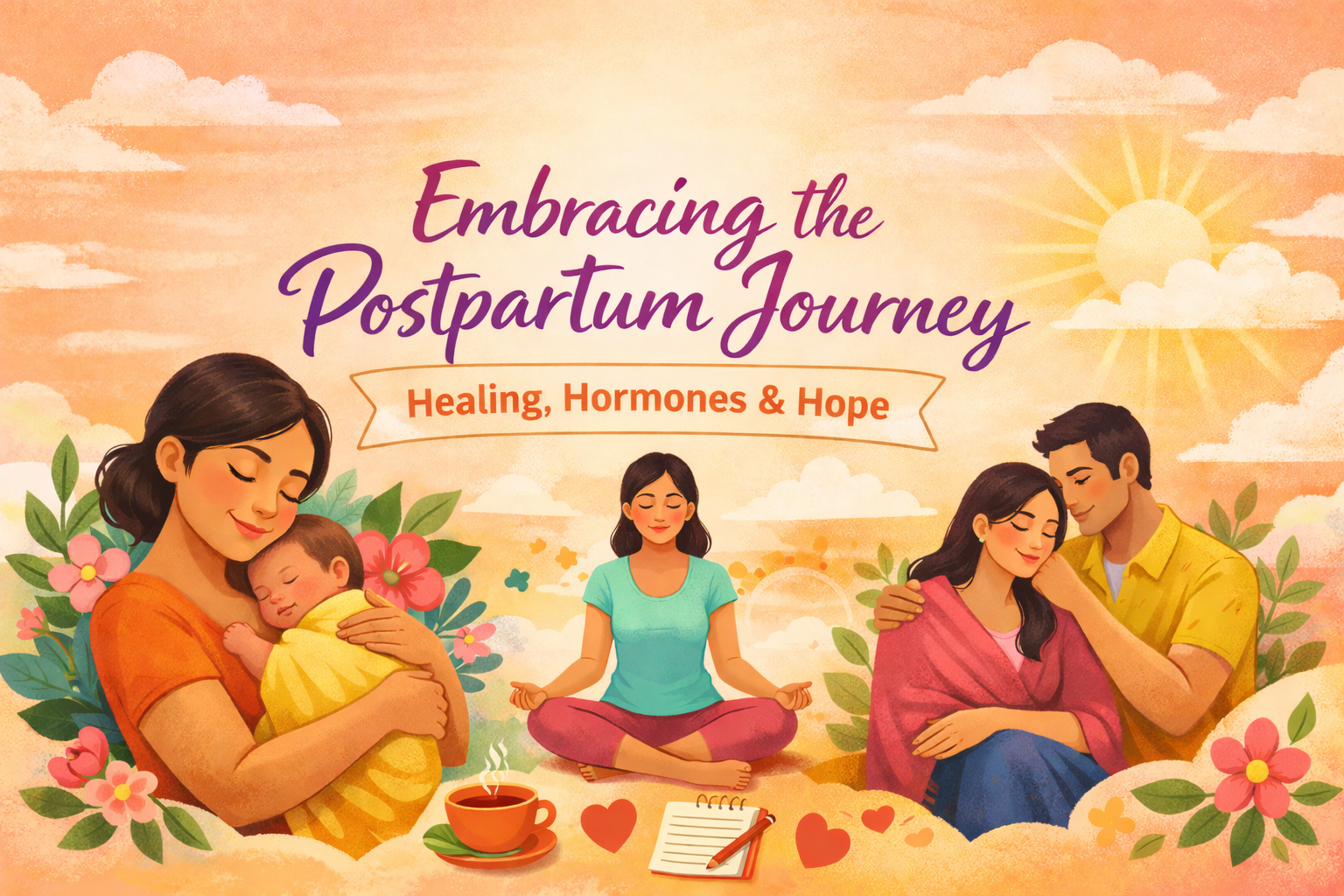
  • Postpartum Journey with Zaya Wellness

    Postpartum Journey with Zaya Wellness

    Bringing a baby into the world is a beautiful miracle. But what many people do not talk about enough is the postpartum journey — the phase after childbirth that can feel overwhelming, emotional, and confusing.

    At Zaya Wellness, we believe postpartum care is just as important as pregnancy care. A mother is not meant to “bounce back.” She is meant to heal, adjust, and be supported.

    Let us gently understand what postpartum really means and how mothers can care for themselves during this sensitive time.


    What is Postpartum?

    The postpartum period refers to the weeks and months after childbirth. It is a time when a woman’s body and mind go through major changes. Hormones shift rapidly, sleep becomes irregular, physical healing takes place, and emotions can feel intense.

    This phase usually lasts around six weeks physically, but emotional recovery may take much longer.


    Common Postpartum Changes

    Every mother’s experience is different, but some common postpartum symptoms include:

    • Mood swings
    • Fatigue and exhaustion
    • Body pain and soreness
    • Hair fall
    • Anxiety or excessive worry
    • Feeling overwhelmed or tearful
    • Difficulty bonding with the baby (in some cases)

    These changes are normal. However, when sadness or anxiety becomes intense or long-lasting, it may be a sign of postpartum depression.


    Understanding Postpartum Depression

    Postpartum depression (PPD) is more than just “baby blues.” While baby blues usually last a few days to two weeks, PPD can last months if not addressed.

    Signs of postpartum depression may include:

    • Constant sadness
    • Loss of interest in things you once enjoyed
    • Feeling hopeless or empty
    • Guilt or feeling like a “bad mother”
    • Trouble sleeping even when the baby sleeps
    • Thoughts of harming yourself or the baby (in severe cases)

    At Zaya Wellness, we want every mother to know:
    You are not weak. You are not failing. You are healing. And you deserve support.


    Why Postpartum Care Matters

    Society often focuses only on the baby. But the mother needs equal care.

    Postpartum wellness includes:

    • Emotional support
    • Proper nutrition
    • Adequate rest
    • Gentle movement
    • Mental health awareness
    • Safe space to express feelings

    Ignoring postpartum mental health can impact not only the mother but also the child and family relationships.


    Holistic Postpartum Healing – The Zaya Way

    At Zaya Wellness, we believe in a gentle and holistic approach to postpartum recovery.

    Here’s what we encourage:

    1. Emotional Acceptance

    It is okay to feel happy and tired at the same time. It is okay to cry without knowing why. Accepting your emotions is the first step toward healing.

    2. Mindful Breathing & Meditation

    Simple breathing exercises can help regulate stress hormones and calm anxiety.

    3. Nourishing the Body

    Warm, nutritious meals support hormonal balance and energy levels.

    4. Community Support

    Talking to other mothers reduces feelings of isolation. You are not alone in this journey.

    5. Professional Guidance

    If feelings become heavy or persistent, seeking therapy or counselling is a sign of strength — not weakness.


    How Families Can Support a Postpartum Mother

    Support is not just about helping with the baby. It is about:

    • Listening without judgment
    • Offering rest breaks
    • Encouraging open conversations
    • Watching for signs of emotional distress
    • Validating her feelings

    At Zaya Wellness, we remind families: A supported mother raises a secure child.


    When to Seek Immediate Help

    If a mother experiences:

    • Thoughts of self-harm
    • Thoughts of harming the baby
    • Severe panic attacks
    • Extreme mood changes

    Immediate professional help is necessary. Postpartum mental health is serious, and timely care can make all the difference.


    A Gentle Reminder from Zaya Wellness

    Motherhood does not require perfection. It requires compassion — especially toward yourself.

    Postpartum is not a weakness phase. It is a transformation phase. Your body has created life. Your mind is adjusting to a new identity. Healing takes time.

    At Zaya Wellness, we stand beside every mother — with awareness, empathy, and holistic care.

    If you or someone you love is navigating the postpartum journey, reach out. Support is strength.

  • Understanding Depression: Signs, Causes & Holistic Healing with Zaya Wellness

    Understanding Depression: Signs, Causes & Holistic Healing with Zaya Wellness

    Introduction

    Depression is more than just feeling sad. It is a deep emotional state that affects how we think, feel, and live our daily lives. At Zaya Wellness, we believe that depression is not a weakness — it is a signal from the mind and body asking for care, attention, and healing.

    In this article, we will help you understand what depression is, its symptoms, possible causes, and natural ways to support emotional healing.


    What Is Depression?

    Depression is a common mental health condition that causes persistent feelings of sadness, emptiness, low energy, and loss of interest in life. It affects millions of people worldwide, regardless of age or background.

    Unlike temporary sadness, depression lasts for weeks or even months and can interfere with work, relationships, sleep, and overall well-being.


    Common Symptoms of Depression

    Recognizing the signs of depression is the first step toward healing. Some common symptoms include:

    • Constant sadness or feeling low
    • Loss of interest in activities once enjoyed
    • Fatigue or low energy
    • Changes in sleep (too much or too little)
    • Changes in appetite
    • Difficulty concentrating
    • Feelings of worthlessness or guilt
    • Irritability or emotional numbness
    • Unexplained body aches
    • Thoughts of hopelessness

    If these symptoms last for more than two weeks, it may be time to seek support.


    What Causes Depression?

    Depression does not have a single cause. It can happen due to a combination of emotional, biological, and lifestyle factors.

    1. Chemical Imbalance

    Changes in brain chemicals like serotonin and dopamine can affect mood.

    2. Chronic Stress

    Long-term stress increases cortisol (the stress hormone), which may disturb emotional balance.

    3. Trauma or Emotional Pain

    Unresolved emotional experiences, grief, or childhood wounds can contribute to depression.

    4. Hormonal Changes

    Thyroid imbalance, postpartum changes, or other hormonal shifts can influence mood.

    5. Lifestyle Factors

    Poor sleep, lack of movement, unhealthy diet, and social isolation can worsen symptoms.

    At Zaya Wellness, we see depression as a mind-body imbalance — not just a mental condition.


    How Depression Affects the Body and Mind

    Depression is not only emotional — it also affects physical health.

    • Weak immune system
    • Digestive problems
    • Chronic fatigue
    • Headaches and body pain
    • Hormonal imbalance

    This is why holistic healing is important. When we support the body, we support the mind.


    Holistic Ways to Support Depression Naturally

    At Zaya Wellness, we believe healing should be gentle, consistent, and compassionate. Here are supportive approaches that can help:

    🌿 1. Breathwork & Nervous System Regulation

    Simple breathing practices calm the nervous system and reduce stress hormones.

    🧘 2. Mindful Movement & Yoga

    Slow, grounding movements help release stored emotional tension.

    🥗 3. Nourishing Foods

    A balanced diet rich in whole foods supports brain chemistry.

    🌞 4. Sunlight & Nature

    Natural light boosts serotonin levels and improves mood.

    💛 5. Emotional Expression

    Journaling, talking to a therapist, or joining a support group helps process emotions safely.

    🌸 6. Professional Support

    Therapy, counseling, or medical treatment may be necessary in moderate to severe cases. Seeking help is a sign of strength, not weakness.


    When to Seek Immediate Help

    If someone is experiencing thoughts of self-harm or feels unsafe, immediate professional help is important. Reach out to a trusted healthcare provider or local emergency support service.

    You are not alone.


    A Gentle Reminder from Zaya Wellness

    Depression is not your identity. It is a phase of imbalance that can be healed with patience and support. Healing does not happen overnight — but small steps taken daily create transformation.

    At Zaya Wellness, we hold space for your healing journey — mind, body, and soul.


    Conclusion: Healing Is Possible

    If you or someone you love is experiencing depression, remember: awareness is the first step toward recovery.

    Choose compassion. Choose support. Choose healing.

    At Zaya Wellness, we believe every soul deserves light — even in the darkest moments.

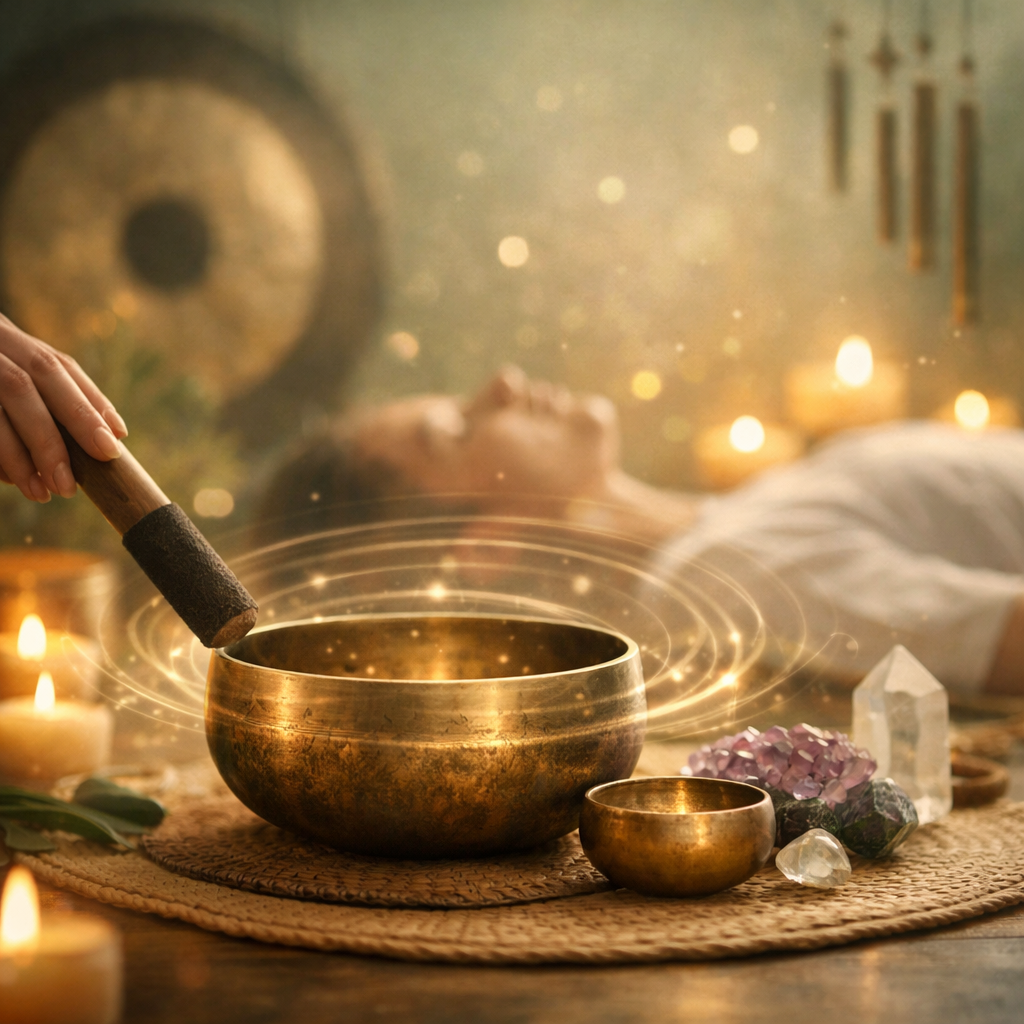
  • The Power of Sound Healing: How Vibrations Restore Mind, Body & Soul

    The Power of Sound Healing: How Vibrations Restore Mind, Body & Soul

    In today’s fast-paced world, stress, anxiety, and emotional fatigue have become common. Many people are searching for natural and holistic ways to heal. At Zaya Wellness, we believe that true healing goes beyond the physical body. One powerful and ancient method that supports deep healing is Sound Healing.

    But what exactly is sound healing? And how can it help you?

    Let’s explore.


    What is Sound Healing?

    Sound healing is a holistic therapy that uses vibrations, frequencies, and sound waves to promote physical, emotional, and mental well-being.

    Different instruments like:

    • Singing bowls
    • Tuning forks
    • Gongs
    • Chimes
    • Mantras and chanting

    are used to create healing frequencies that gently guide the body into a relaxed and balanced state.

    At Zaya Wellness, we see sound as more than just something we hear — it is something we feel.


    How Does Sound Healing Work?

    Everything in the universe, including our body, is made up of energy and vibration. When we experience stress, trauma, or emotional pain, our natural energy flow becomes disturbed.

    Healing sounds help to:

    • Calm the nervous system
    • Reduce stress and anxiety
    • Balance emotional energy
    • Improve focus and clarity
    • Support better sleep

    The soothing vibrations slow down brain waves, bringing you into a deep meditative state. This allows your body to activate its natural healing ability.


    Benefits of Sound Healing

    At Zaya Wellness, we have seen how sound healing gently transforms lives. Some key benefits include:

    1. Stress Relief

    Healing frequencies help lower cortisol (stress hormone) levels and promote deep relaxation.

    2. Emotional Release

    Stored emotions often stay trapped in the body. Sound vibrations can help release emotional blockages.

    3. Better Sleep

    Sound therapy helps calm an overactive mind, improving sleep quality.

    4. Improved Focus

    Balanced energy leads to better concentration and mental clarity.

    5. Inner Peace

    Sound healing creates a safe space to reconnect with yourself.


    Who Can Benefit from Sound Healing?

    Sound healing is suitable for:

    • Individuals dealing with stress or anxiety
    • Those experiencing emotional overwhelm
    • People on a spiritual or self-growth journey
    • Anyone seeking deep relaxation

    It is gentle, non-invasive, and suitable for all age groups.


    What to Expect in a Sound Healing Session at Zaya Wellness

    During a session, you will lie down comfortably in a peaceful environment. Soft sounds and vibrations will surround you. You may feel:

    • Warmth or tingling sensations
    • Deep relaxation
    • Emotional release
    • A sense of lightness

    Each session is unique because every individual’s energy is unique.

    At Zaya Wellness, our intention is to create a sacred space where healing happens naturally.


    Why Sound Healing is Important in Modern Life

    We live in a noisy world — constant notifications, conversations, and mental chatter. Ironically, the right kind of sound can help us return to silence within.

    Sound healing is not just a therapy; it is an experience of coming back to yourself.

    It reminds you that healing does not always require struggle. Sometimes, it simply requires stillness and vibration.


    Final Thoughts

    At Zaya Wellness, we believe healing should be gentle, natural, and deeply nurturing. Sound healing offers exactly that — a way to balance your mind, body, and soul through the power of vibration.

    If you are ready to experience deep relaxation and emotional balance, sound healing may be the path for you.

    Let the vibrations guide you back to your true self.


    SEO Keywords Naturally Included:

    Sound Healing, Benefits of Sound Healing, Sound Therapy, Holistic Healing, Stress Relief Therapy, Emotional Healing, Zaya Wellness


    If you’d like, I can also:

    • Create a meta description for your website
    • Suggest internal linking ideas for other Zaya blogs
    • Generate a custom AI featured image in Zaya brand tones
    • Add a short CTA section for booking sessions

    Just tell me what you need 🌿✨

    Give a disclaimer also

    Absolutely 🌿 A disclaimer is very important for wellness-related content.

    Here is a professional yet gentle disclaimer you can add at the end of your blog (written in Zaya Wellness voice and tone):


    Disclaimer

    The information shared in this article is for educational and awareness purposes only. Sound healing is a complementary wellness practice and is not intended to replace medical advice, diagnosis, or treatment.

    If you are experiencing severe physical or mental health conditions, we strongly recommend consulting a qualified healthcare professional before beginning any new therapy, including sound healing.

    At Zaya Wellness, our services are designed to support emotional balance and overall well-being, but they should be considered as a holistic support system and not a substitute for professional medical care.

    Your health and safety are our priority.

  • Intuition or Hallucination? Understanding the Difference Between Inner Wisdom and Mental Distress

    Intuition or Hallucination? Understanding the Difference Between Inner Wisdom and Mental Distress

    In today’s fast-moving world, many people are trying to reconnect with their inner voice. But sometimes a serious question arises:

    Is this intuition… or is it a hallucination?

    At Zaya Wellness, we believe emotional clarity and mental awareness are essential for true healing. Understanding the difference between intuition and hallucination is not just important — it can protect your mental health.

    Let us explore this gently and clearly.


    What Is Intuition?

    Intuition is often described as a “gut feeling” or inner knowing. It is calm, subtle, and does not create fear or panic.

    Signs of Healthy Intuition:

    • It feels peaceful and steady
    • It does not scream or demand attention
    • It aligns with logic, even if you cannot fully explain it
    • It comes without extreme fear or confusion
    • It helps you make grounded decisions

    Intuition is your inner guidance system. It develops through self-awareness, emotional maturity, and mindfulness.

    At Zaya Wellness, we encourage practices like meditation, journaling, and therapy to strengthen healthy intuition.


    What Is a Hallucination?

    A hallucination is a sensory experience that feels real but is not based in external reality. It can involve:

    • Hearing voices others cannot hear
    • Seeing things that are not present
    • Feeling sensations with no physical cause
    • Strong beliefs disconnected from reality

    Unlike intuition, hallucinations are often:

    • Intense and intrusive
    • Fear-based or threatening
    • Confusing and distressing
    • Disruptive to daily life

    Hallucinations are usually linked to mental health conditions such as severe stress, trauma, sleep deprivation, substance use, or psychiatric disorders. They are medical symptoms — not spiritual gifts.

    At Zaya Wellness, we gently remind our community: romanticizing hallucinations can delay proper mental health care.


    Intuition vs Hallucination: Key Differences

    IntuitionHallucination
    Calm and quietLoud or intrusive
    Grounded in realityDetached from reality
    Supportive and guidingFearful or commanding
    Enhances clarityCreates confusion
    Improves life decisionsDisrupts daily functioning

    If the experience causes distress, fear, or loss of control, it is important to seek professional support.


    Why This Confusion Happens

    In spiritual spaces, heightened emotions and inner experiences are sometimes misunderstood. When someone is under extreme stress, anxiety, or trauma, the brain can misinterpret signals.

    Sleep deprivation, unresolved trauma, grief, and chronic stress can blur the line between inner wisdom and mental health symptoms.

    This is why emotional education is so important.

    At Zaya Wellness, we focus on grounding practices. Spiritual growth must always go hand in hand with psychological safety.


    When Should You Seek Help?

    Please consider speaking to a mental health professional if:

    • You hear voices that command or threaten you
    • You see or feel things that others cannot
    • Your thoughts feel out of control
    • Your daily life, work, or relationships are affected
    • You feel fearful or disconnected from reality

    Seeking help is not weakness. It is courage.


    How Zaya Wellness Supports You

    At Zaya Wellness, we believe in:

    • Emotional awareness
    • Trauma-informed healing
    • Mind-body balance
    • Safe spiritual growth
    • Professional mental health guidance

    We help you develop true intuition through grounding, self-reflection, and clarity — not through fear-based experiences.

    Healing is not about chasing mystical experiences. It is about becoming emotionally stable, self-aware, and balanced.


    Final Thoughts: Trust, But Verify

    Your inner voice matters. But your mental health matters more.

    Intuition brings calm clarity.
    Hallucinations bring confusion and distress.

    Learning the difference can protect your peace and your well-being.

    At Zaya Wellness, we walk with you — gently, safely, and responsibly — on your journey toward emotional clarity and true inner wisdom.

  • Possessiveness: Is It Love or Fear in Disguise?

    Possessiveness: Is It Love or Fear in Disguise?

    At Zaya Wellness, we often meet people who say, “I am just possessive because I love deeply.”
    But is possessiveness really love? Or is it something else hiding beneath it?

    Let us gently explore this emotion together.


    What is Possessiveness?

    Possessiveness is the strong desire to control, claim, or “own” someone or something. It often shows up in close relationships — romantic partners, friendships, family bonds, and sometimes even in parenting.

    It may look like:

    • Feeling uncomfortable when your partner talks to others
    • Constantly checking where someone is
    • Getting anxious if they spend time away from you
    • Wanting exclusive attention
    • Feeling threatened easily

    On the surface, it may appear as deep attachment or intense love. But emotionally, possessiveness is usually rooted in fear, not love.


    The Psychology Behind Possessiveness

    From a mental health perspective, possessiveness often comes from:

    1. Fear of Abandonment

    Somewhere inside, there is a belief: “What if they leave me?”

    2. Low Self-Worth

    When we do not fully value ourselves, we fear being replaced.

    3. Past Emotional Wounds

    Childhood neglect, betrayal, or broken trust can create insecurity in adult relationships.

    4. Attachment Patterns

    Anxious attachment styles tend to create clinginess and emotional dependency.

    At Zaya Wellness, we believe possessiveness is not a character flaw — it is an unhealed emotional wound asking for attention.


    Possessiveness vs. Healthy Love

    Healthy love says:

    • “I trust you.”
    • “You are free to be yourself.”
    • “I choose you, not control you.”

    Possessiveness says:

    • “You are mine.”
    • “Don’t talk to others.”
    • “I feel unsafe when I’m not in control.”

    Love creates freedom.
    Fear creates control.

    When love becomes controlling, it slowly suffocates both people.


    How Possessiveness Affects Relationships

    If not understood, possessiveness can lead to:

    • Frequent arguments
    • Emotional exhaustion
    • Loss of individuality
    • Trust issues
    • Codependency
    • Anxiety and stress

    Over time, the relationship may feel heavy rather than nurturing.


    How to Heal Possessiveness

    Healing begins with awareness. If you notice possessiveness in yourself, do not judge yourself. Instead, gently reflect.

    At Zaya Wellness, we suggest:

    🌿 1. Build Self-Worth

    Work on your identity outside the relationship.
    What makes you you?

    🌿 2. Strengthen Emotional Security

    Practice grounding techniques, breathing exercises, and self-soothing habits.

    🌿 3. Communicate Openly

    Instead of accusing, say:
    “I feel insecure when… Can we talk about it?”

    🌿 4. Heal Inner Child Wounds

    Often, possessiveness is a younger version of you asking for reassurance.

    🌿 5. Practice Trust

    Trust is not built by control. It is built by consistency and communication.


    A Gentle Truth

    If you love someone, you do not need to cage them.

    True connection grows in safety, not restriction.

    Possessiveness is not a sign that you love too much. It may simply mean you are afraid of losing what matters to you.

    And fear can be healed.


    Final Thoughts from Zaya Wellness

    At Zaya Wellness, we believe that emotional growth is the foundation of healthy relationships.

    When we heal our insecurities, love becomes softer, freer, and more secure.
    Possessiveness transforms into trust.
    Fear transforms into confidence.

    If this topic resonates with you, take it as an invitation — not to blame yourself — but to understand yourself more deeply.

    Healing is possible. And love feels lighter when it is secure.

  • Finding True Peace: A Gentle Journey Back to Yourself

    Finding True Peace: A Gentle Journey Back to Yourself

    In today’s fast-moving world, peace often feels distant. We are constantly thinking, planning, worrying, comparing, and rushing. Yet deep within us, there is a quiet space — a place of calm, balance, and stillness.

    At Zaya Wellness, we believe that peace is not something you find outside. It is something you remember within.


    What Is True Peace?

    Peace is not the absence of problems.
    Peace is the ability to remain steady even when life feels uncertain.

    True peace means:

    • A calm mind
    • A relaxed body
    • Balanced emotions
    • A heart free from constant fear and overthinking

    It is not about escaping life. It is about learning to respond to life with awareness.


    Why Is Peace So Important for Our Well-Being?

    When we are not at peace, our body and mind suffer.

    Chronic stress can:

    • Increase stress hormones like cortisol
    • Disturb sleep
    • Affect digestion
    • Create anxiety and mood swings
    • Weaken immunity

    But when we experience inner peace:

    • Our breathing becomes slow and deep
    • Our nervous system relaxes
    • Our heart rate stabilizes
    • Our thoughts become clearer

    Peace supports emotional balance, mental clarity, and physical health.

    At Zaya Wellness, we see peace as the foundation of holistic healing.


    Why Do We Lose Our Peace?

    Many factors disturb our inner calm:

    • Overthinking about the future
    • Holding on to past pain
    • Comparing ourselves to others
    • Unrealistic expectations
    • Lack of self-care
    • Constant digital stimulation

    Often, we search for peace in achievements, relationships, or material success. But external success does not guarantee inner calm.

    Peace begins when we slow down.


    Simple Ways to Cultivate Inner Peace

    You don’t need complicated rituals. Small, consistent steps can create powerful change.

    1. Practice Conscious Breathing

    Slow breathing signals safety to your nervous system. Even 5 minutes of deep breathing daily can reduce stress.

    2. Spend Time in Silence

    Silence helps you reconnect with yourself. Sit quietly without distractions. Let your thoughts settle naturally.

    3. Reduce Mental Clutter

    Limit unnecessary scrolling and overstimulation. Protect your mental space.

    4. Accept What You Cannot Control

    Peace grows when resistance reduces. Acceptance does not mean giving up — it means trusting the process.

    5. Move Your Body Mindfully

    Gentle yoga, walking in nature, or stretching can calm the mind and release stored tension.

    6. Practice Gratitude

    Gratitude shifts your focus from lack to abundance. A peaceful heart is often a grateful heart.


    Peace Is a Daily Practice

    Peace is not a destination. It is a habit.

    Some days will feel calm. Some days will feel heavy. That is natural. The goal is not perfection. The goal is awareness.

    When you begin to choose mindful responses instead of emotional reactions, peace slowly becomes your natural state.

    At Zaya Wellness, we guide individuals to reconnect with their inner balance through mindful practices, breathwork, body awareness, and emotional healing techniques.


    The Spiritual Side of Peace

    From a deeper perspective, peace is your true nature.

    When the mind becomes quiet, you realize that beneath all thoughts and emotions, there is a stable, calm presence.

    That presence is you.

    You are not your stress.
    You are not your fears.
    You are not your racing thoughts.

    You are the awareness behind them.

    And that awareness is peaceful.


    Final Thoughts: Come Back to Yourself

    In a world that constantly pulls your attention outward, choosing peace is an act of self-love.

    At Zaya Wellness, we believe healing begins when you return to your natural state of calm. When your mind slows down, your body heals. When your body relaxes, your emotions settle. When your emotions settle, life flows more gracefully.

    Peace is not far away.

    It is already within you.


    🌿 A Gentle Invitation from Zaya Wellness

    If you are ready to experience deeper calm and emotional balance, we invite you to explore our guided wellness practices and mindful healing sessions.

    Your journey to inner peace begins with one conscious breath.