Tag: mindfulness

  • “Is the Other Side Really Greener? Finding Contentment Where You Are”

    “Is the Other Side Really Greener? Finding Contentment Where You Are”

    In life, many of us often feel that the other side is always green. We think someone else’s job is better, someone else’s relationship is happier, someone else’s life is easier. This mindset quietly steals our peace and joy.

    At Zaya Wellness, we often meet people who feel stuck in comparison. They believe happiness is somewhere else — in another city, another career, another partner, another version of themselves. But is the other side truly greener? Or is it just a different shade of green?

    Let’s explore this together.


    Why Do We Feel the Other Side Is Better?

    The idea that “the other side is always green” comes from comparison.

    In today’s world, social media shows us highlight reels — promotions, vacations, perfect relationships, glowing skin, success stories. What we don’t see are the struggles, doubts, failures, and quiet tears behind those moments.

    Our mind fills in the gaps and creates a fantasy:

    • “If I had that job, I would be happier.”
    • “If I were in that relationship, I would feel loved.”
    • “If I lived there, life would be peaceful.”

    This is a mental illusion.

    The truth is — every garden needs watering. Every life has weeds.


    The Psychology Behind Comparison

    When we constantly compare ourselves, we activate feelings of:

    • Insecurity
    • Jealousy
    • Dissatisfaction
    • Self-doubt

    Instead of focusing on growth, we focus on lack.

    At Zaya Wellness, we guide our clients to understand that comparison shifts attention away from gratitude. And when gratitude disappears, contentment disappears too.


    The Hidden Cost of Always Looking Elsewhere

    Believing the other side is greener can lead to:

    1. Chronic Dissatisfaction

    No matter what you achieve, it never feels enough.

    2. Impulsive Decisions

    You may leave relationships, jobs, or opportunities without fully understanding their value.

    3. Loss of Self-Trust

    You begin to doubt your own journey and choices.

    Over time, this creates emotional instability and inner restlessness.


    What If You Watered Your Own Grass?

    Here’s a powerful shift:
    Instead of looking at someone else’s garden, start nurturing your own.

    Ask yourself:

    • What is already working in my life?
    • What strengths do I overlook?
    • What small blessings do I ignore daily?

    Happiness is not found by jumping fences. It grows where attention flows.

    At Zaya Wellness, we believe personal growth starts with awareness. When you focus on your own path, comparison naturally fades.


    Practical Tips to Overcome the “Greener Grass” Mindset

    🌱 Practice Daily Gratitude

    Write down three things you appreciate about your life every day.

    🌱 Limit Comparison Triggers

    Reduce time spent on social media if it makes you feel inadequate.

    🌱 Focus on Personal Progress

    Measure yourself against your past self — not against others.

    🌱 Improve, Don’t Escape

    If something feels lacking, improve it instead of abandoning it.


    The Truth About the “Green” You See

    The other side looks green because:

    • You see it from a distance.
    • You don’t see the maintenance.
    • You compare your behind-the-scenes to someone else’s highlight reel.

    Every life has responsibilities, struggles, and unseen challenges.

    Peace comes when you understand this deeply.


    Final Thoughts: Contentment Is a Choice

    The grass is not greener on the other side.
    It is greener where you water it.

    At Zaya Wellness, we encourage mindful living, emotional balance, and conscious self-growth. When you nurture your own garden — your career, relationships, health, and inner world — you create your own shade of green.

    And that shade is uniquely yours.

  • Do You Really Want to Be Healed? – The Truth About Emotional and Inner Healing

    Do You Really Want to Be Healed? – The Truth About Emotional and Inner Healing

    In today’s fast-moving world, almost everyone says they want healing. We want to heal from heartbreak, stress, trauma, health struggles, rejection, failure, and emotional pain. But here is a powerful question we often avoid:

    Do you truly want to be healed?

    At Zaya Wellness, we gently invite you to reflect on this. Because healing is not just about feeling better — it is about becoming better. And that journey requires honesty, courage, and willingness.


    What Does Healing Really Mean?

    Healing is not just removing pain. It is understanding the root of the pain.

    Many people want relief. Few are ready for transformation.

    Healing means:

    • Taking responsibility for your emotions
    • Facing uncomfortable truths
    • Letting go of old stories
    • Releasing blame
    • Forgiving yourself and others
    • Changing patterns that feel familiar but unhealthy

    Emotional healing is not a quick fix. It is a conscious decision.


    Why Some People Resist Healing

    You might wonder — if everyone wants peace, why do some people stay stuck?

    Because healing asks you to:

    • Leave your comfort zone
    • Stop playing the victim
    • Release attention gained from suffering
    • Change your identity

    Sometimes pain becomes familiar. It becomes part of who we think we are. Letting go of it can feel scary.

    At Zaya Wellness, we see this often. People want the pain to go away, but they are afraid to let go of the story attached to it.


    Signs You Are Truly Ready to Heal

    You are ready for healing when:

    ✔ You stop blaming others for everything
    ✔ You are open to self-reflection
    ✔ You are willing to forgive
    ✔ You accept that healing takes time
    ✔ You are ready to change your habits

    Healing is a choice you make daily.


    The Emotional Healing Process

    Healing usually happens in stages:

    1. Awareness

    You recognize your pain without denying it.

    2. Acceptance

    You accept that something needs to change.

    3. Release

    You let go of past baggage, resentment, and limiting beliefs.

    4. Growth

    You build healthier patterns and stronger emotional resilience.

    At Zaya Wellness, we guide individuals through these stages with compassion and practical tools that support mental wellness and emotional balance.


    Healing Is Not Linear

    Some days you feel strong.
    Some days you feel triggered again.

    This does not mean you are failing. It means you are human.

    Healing is like peeling layers of an onion. Each layer reveals something deeper. And every layer brings you closer to your authentic self.


    Ask Yourself Today…

    • Am I ready to let go of my old story?
    • Am I ready to forgive?
    • Am I ready to change?
    • Am I ready to be responsible for my growth?

    Because the truth is — healing begins the moment you decide you deserve peace more than you deserve pain.


    How Zaya Wellness Supports Your Healing Journey

    At Zaya Wellness, we believe healing is not about perfection. It is about progress.

    We help you:

    • Build emotional awareness
    • Develop healthy coping mechanisms
    • Strengthen your self-worth
    • Create inner balance
    • Move from survival mode to conscious living

    Healing is possible. But it starts with willingness.


    Final Thought

    Before asking, “Why am I not healed yet?”
    Ask yourself, “Am I truly ready to be healed?”

    Your healing journey begins with one honest answer.

    And when you are ready, Zaya Wellness is here to walk beside you 🌿

  • 🌹 Life Is Not Always a Bed of Roses – And That’s Okay 🌹

    🌹 Life Is Not Always a Bed of Roses – And That’s Okay 🌹

    Understanding the Real Meaning of “Bed of Roses” in Life

    When we say life is a “bed of roses,” we usually mean a life that is easy, comfortable, and free from problems. But is life really meant to be that way?

    At Zaya Wellness, we gently remind our clients that life is not always a bed of roses — and it doesn’t have to be. Growth, healing, and transformation often happen through challenges, not comfort.

    Let us explore what this metaphor truly means and how you can embrace both the roses and the thorns.


    🌹 What Does “Bed of Roses” Really Mean?

    A bed of roses sounds soft, beautiful, and pleasant. It symbolizes:

    • Comfort
    • Luxury
    • Ease
    • Happiness without struggle

    But real roses come with thorns. And just like that, life comes with responsibilities, setbacks, emotional pain, misunderstandings, and unexpected turns.

    Expecting life to be smooth all the time creates frustration. Accepting that life has both beauty and discomfort creates peace.


    🌿 Why Life Is Not Meant to Be Perfect

    If everything were easy:

    • We would not learn resilience.
    • We would not understand gratitude.
    • We would not grow emotionally.

    Challenges teach patience.
    Failures teach wisdom.
    Pain teaches compassion.

    At Zaya Wellness, we believe that discomfort is not a punishment — it is preparation.


    🌸 The Roses and the Thorns in Career, Relationships & Health

    1. Career

    Success may look glamorous from the outside, but behind it are sleepless nights, self-doubt, and perseverance.

    2. Relationships

    Love is beautiful. But it also requires effort, communication, forgiveness, and emotional maturity.

    3. Health

    A healthy body and mind require discipline, self-care, and conscious choices.

    The key is not to remove the thorns — but to learn how to handle them wisely.


    🌼 How to Accept That Life Is Not a Bed of Roses

    Here are simple practices we suggest at Zaya Wellness:

    ✔️ Shift Your Expectation

    Stop expecting constant happiness. Aim for emotional balance instead.

    ✔️ Build Emotional Resilience

    Practice mindfulness, journaling, or meditation to strengthen your inner stability.

    ✔️ Learn From Discomfort

    Instead of asking “Why me?”, ask “What is this teaching me?”

    ✔️ Practice Gratitude

    Even in difficult times, there is always something to be thankful for.


    🌹 The Beauty of Imperfection

    A rose without thorns would not survive.
    A human without challenges would not evolve.

    Life’s struggles polish your character. They shape your strength. They deepen your understanding of yourself and others.

    At Zaya Wellness, we guide individuals to stop chasing a perfect life and start building a meaningful one.

    Because true peace is not found in a bed of roses —
    It is found in learning to rest peacefully, even among the thorns.


    🌺 Final Thoughts

    If you are waiting for life to become easy before you feel happy, you may wait forever. Instead, learn to appreciate the journey — the fragrance of the roses and the lessons from the thorns.

    Life may not always be a bed of roses.
    But it is always an opportunity for growth.

    With warmth,
    Team Zaya Wellness

  • Taming the Monkey Mind: Finding Calm in a World Full of Noise

    Taming the Monkey Mind: Finding Calm in a World Full of Noise

    In today’s fast-moving world, many of us struggle with a restless and distracted mind. Thoughts jump from one worry to another, from past regrets to future fears — almost like a monkey swinging from branch to branch. This is what we often call the “monkey mind.”

    At Zaya Wellness, we gently guide our clients to understand and calm this mental chatter, so they can live with clarity, focus, and inner peace.


    What Is a Monkey Mind?

    The term monkey mind comes from ancient yogic and Buddhist teachings. It describes a mind that is:

    • Restless
    • Overthinking constantly
    • Easily distracted
    • Anxious about the future
    • Stuck in the past

    Instead of staying present, the monkey mind keeps jumping from one thought to another. It creates unnecessary stress and makes it difficult to feel calm.

    If you often find yourself thinking:

    • “What if something goes wrong?”
    • “Why did I say that?”
    • “What will happen tomorrow?”
    • “Am I good enough?”

    You may be experiencing the monkey mind.


    Why Does the Monkey Mind Happen?

    Our brain is designed to think. It constantly scans for danger, solves problems, and plans ahead. But when this natural process becomes excessive, it turns into overthinking.

    Common reasons include:

    • Stress and work pressure
    • Relationship conflicts
    • Fear of failure
    • Social comparison
    • Lack of emotional expression
    • Too much screen time

    Over time, this mental overload can lead to anxiety, irritability, poor sleep, and emotional exhaustion.


    Signs Your Monkey Mind Is Too Active

    At Zaya Wellness, we often see clients who are unaware that their mental restlessness is the root cause of their discomfort. Some common signs include:

    • Difficulty concentrating
    • Trouble sleeping
    • Constant self-doubt
    • Feeling mentally tired even without physical work
    • Overanalyzing conversations
    • Emotional ups and downs

    Recognizing these signs is the first step toward healing.


    How to Calm the Monkey Mind

    The good news? You don’t have to fight your thoughts. You simply have to observe them.

    At Zaya Wellness, we encourage simple and practical techniques to quiet the monkey mind:

    1. Practice Mindful Breathing

    Take 5 minutes daily to focus only on your breath. Slow, deep breathing tells your nervous system that you are safe.

    2. Become the Observer

    Instead of saying, “I am anxious,” try saying, “I notice that anxiety is present.”
    This small shift creates emotional distance from your thoughts.

    3. Limit Mental Clutter

    Reduce unnecessary scrolling, overexposure to news, and constant notifications. Give your mind space to rest.

    4. Write It Out

    Journaling helps release repetitive thoughts. When thoughts are written down, they lose their intensity.

    5. Move Your Body

    Yoga, walking, or stretching helps release stored stress from the body and naturally calms the mind.

    6. Emotional Healing

    Sometimes, the monkey mind is triggered by unresolved emotions. Healing the inner child, practicing forgiveness, and emotional expression can reduce mental noise significantly.


    Monkey Mind and Emotional Wellness

    The monkey mind is not your enemy. It is simply an overactive protector trying to keep you safe.

    At Zaya Wellness, we believe the goal is not to silence the mind completely but to build a healthy relationship with it. When you stop fighting your thoughts and start observing them, you move from chaos to clarity.

    From “I am my thoughts”
    To
    “I am the observer of my thoughts.”

    That shift changes everything.


    Final Thoughts

    A restless mind can make life feel overwhelming. But with awareness, patience, and the right practices, calmness becomes possible.

    If you are struggling with constant overthinking or anxiety, know that you are not alone. At Zaya Wellness, we are here to support your journey toward mental clarity and emotional balance.

    Your mind can be trained.
    Your peace is possible.
    And your calm is within reach.

  • Watching the Waves: Finding Calm in Life’s Uncertainty

    Watching the Waves: Finding Calm in Life’s Uncertainty

    A gentle guide to emotional balance by Zaya Wellness


    Life often feels like standing on the shore and watching the waves. Some are gentle and peaceful. Some are strong and unexpected. They rise, they fall, and then they disappear.

    At Zaya Wellness, we believe this simple metaphor carries a powerful truth:

    Everything in life is temporary.

    Your career highs and lows.
    Your relationship challenges.
    Your health struggles.
    Your emotional ups and downs.

    Like waves, they come and go.

    This blog will help you understand how to emotionally manage uncertainty and maintain inner calm — even when life feels unpredictable.


    🌊 Why “Watching the Waves” Is a Powerful Life Metaphor

    When we stand near the ocean, we don’t try to stop the waves. We don’t panic when a big wave approaches. And we don’t assume the calm water will stay forever.

    We simply watch.

    Life works the same way.

    • A promotion? A wave.
    • A setback? A wave.
    • A misunderstanding? A wave.
    • Anxiety or fear? Also a wave.

    Nothing stays forever.

    The problem begins when we identify ourselves with the wave instead of remaining the watcher.

    At Zaya Wellness, we guide our clients to shift from:

    “I am the wave”
    to
    “I am the observer of the wave.”

    That shift changes everything.


    💭 The Emotional Side of Uncertainty

    Uncertainty triggers fear because the human mind wants control.

    When we don’t know what will happen:

    • The heart beats faster.
    • The mind creates negative stories.
    • We imagine worst-case scenarios.
    • We try to hold tightly to people, outcomes, or comfort.

    But here is the truth:

    Control is an illusion. Awareness is power.

    Uncertainty is not the enemy. Resistance is.

    When you fight the wave, you suffer.
    When you observe the wave, you grow.


    🧠 Why We Struggle With Temporary Situations

    We struggle because:

    1. We attach our identity to situations.
    2. We expect permanence in an impermanent world.
    3. We fear loss more than we value growth.
    4. We forget that every past difficulty has already passed.

    Pause for a moment.

    How many emotional waves have you survived already?

    You are still here.

    That means you are stronger than you think.


    🌿 Practical Ways to Manage Emotional Uncertainty

    Here are simple and powerful tools we often suggest at Zaya Wellness:

    1️⃣ Practice “Pause and Observe”

    When emotions rise:

    • Don’t react immediately.
    • Take 3 slow, deep breaths.
    • Ask yourself: “Is this permanent, or just a temporary wave?”

    This small pause creates emotional space.


    2️⃣ Separate Facts from Stories

    Your mind may say:
    “I will fail.”
    “This relationship is over.”
    “My health will never improve.”

    Ask:

    • What is the actual fact?
    • What am I imagining?

    Most suffering comes from imagined futures.


    3️⃣ Strengthen Inner Stability, Not Outer Control

    You cannot control:

    • Other people’s behavior
    • Market changes
    • Sudden health issues
    • Unexpected life events

    But you can control:

    • Your response
    • Your habits
    • Your breath
    • Your mindset

    The stronger your inner anchor, the less you fear the waves.


    4️⃣ Create Emotional Grounding Rituals

    Daily practices build resilience:

    • Morning breathing exercises
    • Journaling your fears
    • Evening gratitude reflection
    • Gentle body movement
    • Speaking to a trusted guide or therapist

    Consistency builds emotional strength.


    5️⃣ Remember: Calm Is Also a Wave

    Even peaceful phases are temporary.

    Instead of chasing permanent happiness, aim for emotional flexibility.

    The goal is not to stop the waves.
    The goal is to learn how to stand steady while watching them.


    💛 Watching the Waves in Career, Relationships & Health

    In Career:

    Success and failure are cycles. One project does not define your entire journey.

    In Relationships:

    Emotions fluctuate. Communication can repair many temporary misunderstandings.

    In Health:

    The body has a powerful ability to regenerate when supported with patience and care.

    When you stop reacting to every wave, life feels lighter.


    🌊 The Zaya Wellness Perspective

    At Zaya Wellness, we approach emotional well-being through awareness, breath, lifestyle alignment, and holistic guidance.

    We believe:

    • You are not your temporary phase.
    • You are not your current challenge.
    • You are the awareness observing the wave.

    And that awareness brings peace.


    ✨ Final Reflection

    Next time life feels overwhelming, imagine yourself standing on the shore.

    Don’t chase the wave.
    Don’t fight the wave.
    Don’t run from the wave.

    Just watch.

    Because no wave — no matter how strong — stays forever.

    And neither will this moment.


    🌿 A Gentle Invitation from Zaya Wellness

    If you are navigating uncertainty in your career, relationships, or health, you don’t have to do it alone.

    Let us help you build emotional stability that remains steady — even when life moves like the sea.

    Stay aware.
    Stay grounded.
    Stay compassionate with yourself.

    With warmth,
    Zaya Wellness 🤍✨

  • Jealousy: A Hidden Teacher – How to Handle It

    Jealousy: A Hidden Teacher – How to Handle It

    Jealousy is a natural human emotion. We all feel it at some point — in relationships, friendships, workplaces, or even within families. But what truly matters is not whether we feel jealous… it is how we handle jealousy.

    At Zaya Wellness, we believe jealousy is not a weakness. It is a signal. A messenger. And when understood with awareness, it can become a powerful tool for emotional growth and healing.

    Let us explore how to handle jealousy in a healthy and mindful way.


    What Is Jealousy?

    Jealousy is an emotional reaction that arises when we fear losing something valuable — love, attention, success, status, or security.

    It often comes from:

    • Fear of rejection
    • Low self-esteem
    • Comparison with others
    • Past emotional wounds
    • Attachment insecurity

    Jealousy itself is not the problem. Suppressing it or reacting impulsively is what creates damage.


    Why Do We Feel Jealous?

    From a psychological perspective, jealousy is rooted in insecurity and fear. From a wellness perspective, it reflects an imbalance within our emotional system.

    When we compare ourselves constantly, we activate stress responses in the body. This can increase anxiety, overthinking, and even affect our physical health.

    At Zaya Wellness, we help individuals understand that jealousy often hides a deeper need:

    • The need to feel valued
    • The need to feel secure
    • The need to feel enough

    7 Healthy Ways to Handle Jealousy

    Here are practical and mindful steps to manage jealousy in relationships and daily life:

    1. Acknowledge the Emotion

    Do not deny or judge yourself for feeling jealous. Say gently, “I am feeling jealous right now.” Awareness is the first step toward healing.

    2. Identify the Root Cause

    Ask yourself:

    • What am I afraid of losing?
    • What insecurity is being triggered?
    • Is this about the present or something from my past?

    Often, jealousy is about our inner wounds, not the other person.

    3. Stop Comparing

    Comparison fuels jealousy. Social media, workplace competition, and unrealistic expectations amplify it. Remember: everyone’s journey is different.

    4. Build Self-Worth

    Work on your self-esteem. Practice self-care, journaling, meditation, and therapy. When you feel secure within, jealousy reduces naturally.

    5. Communicate Calmly

    If jealousy is affecting a relationship, speak openly without blame. Use “I feel…” instead of “You always…”

    Healthy communication prevents misunderstandings.

    6. Regulate Your Body

    Jealousy activates stress hormones. Practice:

    • Deep breathing
    • Yoga
    • Grounding techniques
    • Mindfulness meditation

    At Zaya Wellness, we integrate holistic practices that calm the nervous system and reduce emotional reactivity.

    7. Turn Jealousy into Inspiration

    Instead of feeling threatened, ask:
    “What can I learn from this?”

    Jealousy can show you what you truly desire. Use it as motivation for growth.


    Jealousy in Relationships

    Jealousy in romantic relationships often stems from attachment insecurity. Small triggers can feel overwhelming when there is fear of abandonment.

    Healthy relationships are built on:

    • Trust
    • Transparency
    • Emotional maturity
    • Self-awareness

    If jealousy becomes obsessive or controlling, professional support can help. Healing your inner wounds strengthens your relationships naturally.


    When Is Jealousy Unhealthy?

    Jealousy becomes harmful when it leads to:

    • Controlling behavior
    • Constant suspicion
    • Emotional manipulation
    • Aggression or withdrawal
    • Loss of peace of mind

    If jealousy is affecting your mental health, seeking guidance is a sign of strength — not weakness.


    The Zaya Wellness Perspective

    At Zaya Wellness, we see jealousy as an emotional teacher. It invites us to look inward.

    When handled with compassion and awareness, jealousy can transform into:

    • Self-growth
    • Emotional intelligence
    • Stronger relationships
    • Deeper self-love

    Healing begins not by fighting emotions, but by understanding them.


    Final Thoughts: Jealousy Is a Mirror

    Jealousy is not your enemy. It is a mirror showing you where you need reassurance, healing, or confidence.

    When you learn how to handle jealousy mindfully, you move from fear to empowerment.

    At Zaya Wellness, we walk with you on this journey — helping you build emotional balance, inner security, and lasting peace.


    🌿 A Gentle Invitation from Zaya Wellness

    If jealousy, insecurity, or emotional triggers are affecting your peace, you do not have to navigate it alone. Through mindful counselling, yoga therapy, and holistic wellness practices, we support you in reconnecting with your inner stability.

    Because true wellness begins within.

  • Attachment vs Detachment: Finding the Balance for Inner Peace

    Attachment vs Detachment: Finding the Balance for Inner Peace

    In life, we often hear two powerful words — attachment and detachment. But what do they truly mean? And more importantly, how do they affect our emotional well-being?

    At Zaya Wellness, we believe that understanding the balance between attachment and detachment is essential for inner peace, healthy relationships, and spiritual growth.

    Let us explore this deeply — yet simply.


    What is Attachment?

    Attachment is the emotional bond we form with people, outcomes, roles, or possessions. It is natural and human.

    We feel attached to:

    • Our family and loved ones
    • Our identity and achievements
    • Expectations about how life “should” be
    • Material comforts and security

    Healthy attachment brings love, connection, and belonging. But when attachment turns into dependency or control, it can lead to anxiety, fear, possessiveness, and emotional suffering.

    Signs of Unhealthy Attachment:

    • Fear of losing someone or something
    • Constant overthinking
    • Emotional highs and lows based on others’ actions
    • Difficulty accepting change

    When our happiness depends entirely on external factors, we give away our inner power.


    What is Detachment?

    Detachment does not mean indifference or lack of love. It does not mean running away from responsibilities.

    True detachment means:

    • Loving without controlling
    • Caring without clinging
    • Acting without being obsessed with results
    • Accepting change as a natural part of life

    Detachment is emotional maturity. It allows us to stay calm even when situations change.

    At Zaya Wellness, we often say:
    “Be involved, but not entangled.”


    Attachment vs Detachment: The Real Difference

    AttachmentDetachment
    Fear-basedTrust-based
    Needs controlAllows freedom
    Creates anxietyCreates peace
    Focused on outcomeFocused on effort
    Driven by insecurityDriven by inner stability

    The key is not to remove attachment completely. The key is to transform unhealthy attachment into conscious connection.


    Why Do We Struggle With Letting Go?

    Many times, attachment is rooted in:

    • Fear of abandonment
    • Childhood emotional patterns
    • Lack of self-worth
    • Trauma or insecurity

    When we do not feel complete within ourselves, we hold tightly to external sources for validation.

    Detachment begins when we build inner strength and self-awareness.


    How to Practice Healthy Detachment

    Here are simple steps we guide our clients with at Zaya Wellness:

    1. Build Self-Connection

    Spend time with yourself. Practice mindfulness, journaling, or meditation. When you feel whole within, you cling less outside.

    2. Accept Impermanence

    Everything changes — people, roles, emotions, seasons of life. Accepting this truth reduces suffering.

    3. Focus on Effort, Not Outcome

    Do your best. Release the rest. This reduces stress and performance anxiety.

    4. Observe Your Emotions

    Instead of reacting immediately, pause. Ask yourself:
    “Am I acting from love or fear?”

    5. Strengthen Emotional Boundaries

    Love deeply, but do not lose yourself in the process.


    Spiritual Perspective on Detachment

    In yogic and Ayurvedic philosophy, detachment is called Vairagya — the ability to stay steady regardless of external circumstances.

    It teaches us that peace does not come from controlling life, but from understanding it.

    When attachment is balanced with awareness, relationships become healthier, and the mind becomes lighter.


    The Zaya Wellness Perspective

    At Zaya Wellness, we guide individuals to:

    • Heal emotional dependency
    • Build inner resilience
    • Develop conscious relationships
    • Live with awareness and emotional clarity

    Detachment is not about becoming cold.
    It is about becoming centered.

    When you are centered, you love more freely. You give more generously. And you suffer less unnecessarily.


    Final Thoughts: Love Fully, Cling Lightly

    Attachment gives warmth.
    Detachment gives freedom.

    True wellness lies in balancing both.

    You do not need to withdraw from life.
    You simply need to engage with awareness.

    At Zaya Wellness, we believe that when you master this balance, you discover something powerful — inner peace that no external change can disturb.

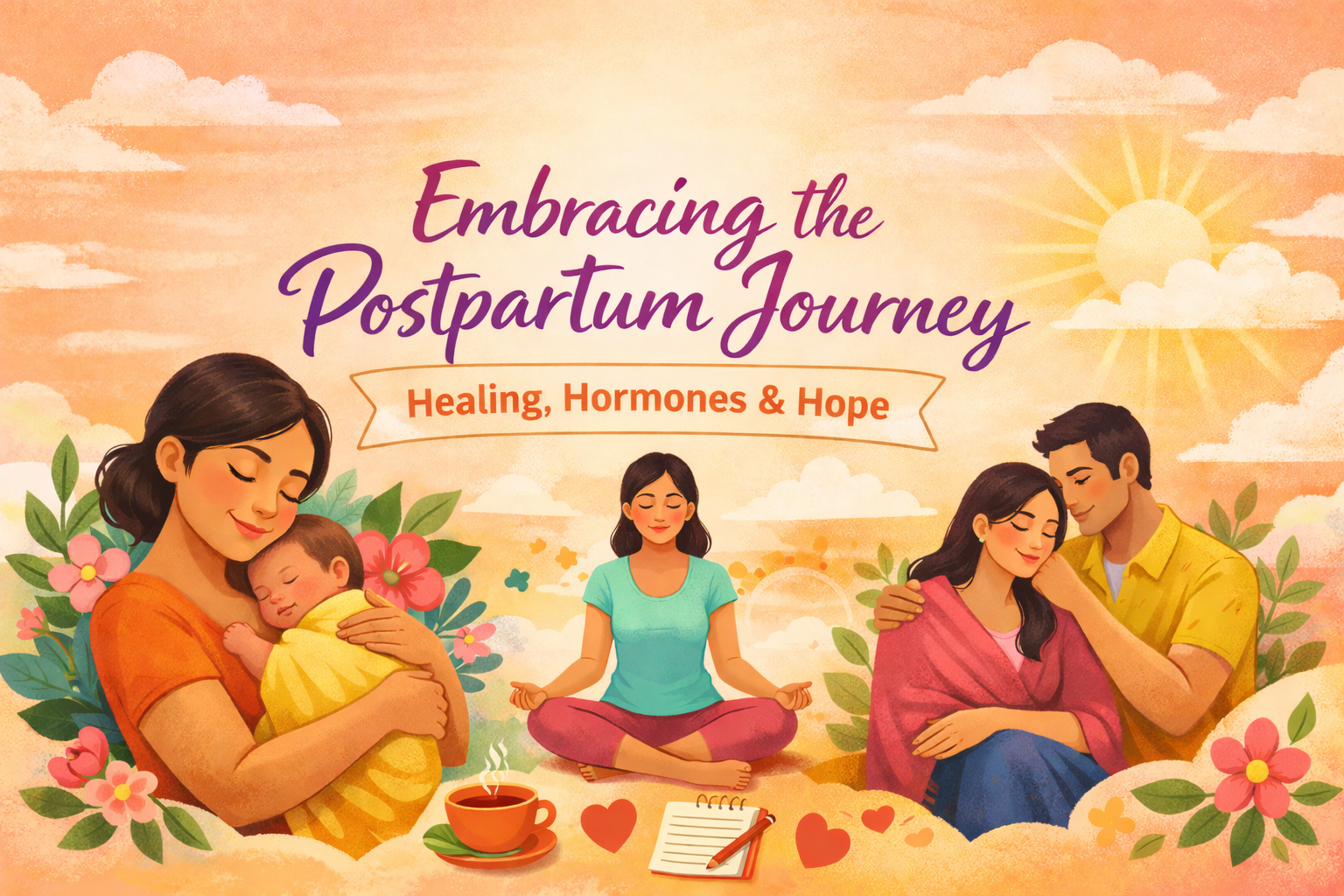
  • Postpartum Journey with Zaya Wellness

    Postpartum Journey with Zaya Wellness

    Bringing a baby into the world is a beautiful miracle. But what many people do not talk about enough is the postpartum journey — the phase after childbirth that can feel overwhelming, emotional, and confusing.

    At Zaya Wellness, we believe postpartum care is just as important as pregnancy care. A mother is not meant to “bounce back.” She is meant to heal, adjust, and be supported.

    Let us gently understand what postpartum really means and how mothers can care for themselves during this sensitive time.


    What is Postpartum?

    The postpartum period refers to the weeks and months after childbirth. It is a time when a woman’s body and mind go through major changes. Hormones shift rapidly, sleep becomes irregular, physical healing takes place, and emotions can feel intense.

    This phase usually lasts around six weeks physically, but emotional recovery may take much longer.


    Common Postpartum Changes

    Every mother’s experience is different, but some common postpartum symptoms include:

    • Mood swings
    • Fatigue and exhaustion
    • Body pain and soreness
    • Hair fall
    • Anxiety or excessive worry
    • Feeling overwhelmed or tearful
    • Difficulty bonding with the baby (in some cases)

    These changes are normal. However, when sadness or anxiety becomes intense or long-lasting, it may be a sign of postpartum depression.


    Understanding Postpartum Depression

    Postpartum depression (PPD) is more than just “baby blues.” While baby blues usually last a few days to two weeks, PPD can last months if not addressed.

    Signs of postpartum depression may include:

    • Constant sadness
    • Loss of interest in things you once enjoyed
    • Feeling hopeless or empty
    • Guilt or feeling like a “bad mother”
    • Trouble sleeping even when the baby sleeps
    • Thoughts of harming yourself or the baby (in severe cases)

    At Zaya Wellness, we want every mother to know:
    You are not weak. You are not failing. You are healing. And you deserve support.


    Why Postpartum Care Matters

    Society often focuses only on the baby. But the mother needs equal care.

    Postpartum wellness includes:

    • Emotional support
    • Proper nutrition
    • Adequate rest
    • Gentle movement
    • Mental health awareness
    • Safe space to express feelings

    Ignoring postpartum mental health can impact not only the mother but also the child and family relationships.


    Holistic Postpartum Healing – The Zaya Way

    At Zaya Wellness, we believe in a gentle and holistic approach to postpartum recovery.

    Here’s what we encourage:

    1. Emotional Acceptance

    It is okay to feel happy and tired at the same time. It is okay to cry without knowing why. Accepting your emotions is the first step toward healing.

    2. Mindful Breathing & Meditation

    Simple breathing exercises can help regulate stress hormones and calm anxiety.

    3. Nourishing the Body

    Warm, nutritious meals support hormonal balance and energy levels.

    4. Community Support

    Talking to other mothers reduces feelings of isolation. You are not alone in this journey.

    5. Professional Guidance

    If feelings become heavy or persistent, seeking therapy or counselling is a sign of strength — not weakness.


    How Families Can Support a Postpartum Mother

    Support is not just about helping with the baby. It is about:

    • Listening without judgment
    • Offering rest breaks
    • Encouraging open conversations
    • Watching for signs of emotional distress
    • Validating her feelings

    At Zaya Wellness, we remind families: A supported mother raises a secure child.


    When to Seek Immediate Help

    If a mother experiences:

    • Thoughts of self-harm
    • Thoughts of harming the baby
    • Severe panic attacks
    • Extreme mood changes

    Immediate professional help is necessary. Postpartum mental health is serious, and timely care can make all the difference.


    A Gentle Reminder from Zaya Wellness

    Motherhood does not require perfection. It requires compassion — especially toward yourself.

    Postpartum is not a weakness phase. It is a transformation phase. Your body has created life. Your mind is adjusting to a new identity. Healing takes time.

    At Zaya Wellness, we stand beside every mother — with awareness, empathy, and holistic care.

    If you or someone you love is navigating the postpartum journey, reach out. Support is strength.

  • Understanding Depression: Signs, Causes & Holistic Healing with Zaya Wellness

    Understanding Depression: Signs, Causes & Holistic Healing with Zaya Wellness

    Introduction

    Depression is more than just feeling sad. It is a deep emotional state that affects how we think, feel, and live our daily lives. At Zaya Wellness, we believe that depression is not a weakness — it is a signal from the mind and body asking for care, attention, and healing.

    In this article, we will help you understand what depression is, its symptoms, possible causes, and natural ways to support emotional healing.


    What Is Depression?

    Depression is a common mental health condition that causes persistent feelings of sadness, emptiness, low energy, and loss of interest in life. It affects millions of people worldwide, regardless of age or background.

    Unlike temporary sadness, depression lasts for weeks or even months and can interfere with work, relationships, sleep, and overall well-being.


    Common Symptoms of Depression

    Recognizing the signs of depression is the first step toward healing. Some common symptoms include:

    • Constant sadness or feeling low
    • Loss of interest in activities once enjoyed
    • Fatigue or low energy
    • Changes in sleep (too much or too little)
    • Changes in appetite
    • Difficulty concentrating
    • Feelings of worthlessness or guilt
    • Irritability or emotional numbness
    • Unexplained body aches
    • Thoughts of hopelessness

    If these symptoms last for more than two weeks, it may be time to seek support.


    What Causes Depression?

    Depression does not have a single cause. It can happen due to a combination of emotional, biological, and lifestyle factors.

    1. Chemical Imbalance

    Changes in brain chemicals like serotonin and dopamine can affect mood.

    2. Chronic Stress

    Long-term stress increases cortisol (the stress hormone), which may disturb emotional balance.

    3. Trauma or Emotional Pain

    Unresolved emotional experiences, grief, or childhood wounds can contribute to depression.

    4. Hormonal Changes

    Thyroid imbalance, postpartum changes, or other hormonal shifts can influence mood.

    5. Lifestyle Factors

    Poor sleep, lack of movement, unhealthy diet, and social isolation can worsen symptoms.

    At Zaya Wellness, we see depression as a mind-body imbalance — not just a mental condition.


    How Depression Affects the Body and Mind

    Depression is not only emotional — it also affects physical health.

    • Weak immune system
    • Digestive problems
    • Chronic fatigue
    • Headaches and body pain
    • Hormonal imbalance

    This is why holistic healing is important. When we support the body, we support the mind.


    Holistic Ways to Support Depression Naturally

    At Zaya Wellness, we believe healing should be gentle, consistent, and compassionate. Here are supportive approaches that can help:

    🌿 1. Breathwork & Nervous System Regulation

    Simple breathing practices calm the nervous system and reduce stress hormones.

    🧘 2. Mindful Movement & Yoga

    Slow, grounding movements help release stored emotional tension.

    🥗 3. Nourishing Foods

    A balanced diet rich in whole foods supports brain chemistry.

    🌞 4. Sunlight & Nature

    Natural light boosts serotonin levels and improves mood.

    💛 5. Emotional Expression

    Journaling, talking to a therapist, or joining a support group helps process emotions safely.

    🌸 6. Professional Support

    Therapy, counseling, or medical treatment may be necessary in moderate to severe cases. Seeking help is a sign of strength, not weakness.


    When to Seek Immediate Help

    If someone is experiencing thoughts of self-harm or feels unsafe, immediate professional help is important. Reach out to a trusted healthcare provider or local emergency support service.

    You are not alone.


    A Gentle Reminder from Zaya Wellness

    Depression is not your identity. It is a phase of imbalance that can be healed with patience and support. Healing does not happen overnight — but small steps taken daily create transformation.

    At Zaya Wellness, we hold space for your healing journey — mind, body, and soul.


    Conclusion: Healing Is Possible

    If you or someone you love is experiencing depression, remember: awareness is the first step toward recovery.

    Choose compassion. Choose support. Choose healing.

    At Zaya Wellness, we believe every soul deserves light — even in the darkest moments.

  • Living with a Narcissistic Partner: Protecting Your Peace While Healing Your Heart

    Living with a Narcissistic Partner: Protecting Your Peace While Healing Your Heart

    Relationships are meant to feel safe, loving, and supportive. But what happens when you find yourself living with a narcissistic partner? At Zaya Wellness, we often meet individuals who feel confused, emotionally drained, and unsure of themselves after being in such relationships.

    If you feel unheard, manipulated, or constantly blamed, this article is for you.

    Let us gently explore what it means to live with a narcissistic partner — and more importantly, how you can protect your mental and emotional well-being.


    What Is Narcissistic Personality in a Relationship?

    Narcissism is more than just self-love or confidence. A narcissistic partner often:

    • Needs constant admiration
    • Lacks empathy
    • Manipulates situations to stay in control
    • Avoids taking responsibility
    • Gaslights or blames others
    • Makes everything about themselves

    In the beginning, they may appear charming, confident, and extremely attentive. But over time, the relationship may start to feel one-sided, emotionally unsafe, and exhausting.


    Signs You May Be Living with a Narcissistic Partner

    Many people don’t realize they are in a narcissistic relationship until they feel deeply affected. Here are some common signs:

    1. You Constantly Doubt Yourself

    You may question your own memory, feelings, or decisions. This is often due to gaslighting.

    2. Your Needs Are Ignored

    Your emotions may feel unimportant. Conversations revolve around them, not you.

    3. You Feel Emotionally Drained

    You feel tired even after simple conversations. Being around them feels heavy.

    4. You Walk on Eggshells

    You are careful with your words to avoid triggering anger or criticism.

    5. They Rarely Apologize

    If something goes wrong, it is always someone else’s fault.

    At Zaya Wellness, we remind you — if this feels familiar, your feelings are valid.


    How Living with a Narcissistic Partner Affects Mental Health

    Being in a narcissistic relationship can deeply impact your emotional health. Over time, you may experience:

    • Anxiety
    • Low self-esteem
    • Depression
    • Emotional confusion
    • Loss of identity
    • Constant guilt

    You may slowly start shrinking yourself to maintain peace. But peace built on fear is not true peace.


    Why It Is So Hard to Leave

    Many people ask, “If it’s so painful, why don’t they just leave?”

    The truth is, narcissistic relationships often create:

    • Emotional dependency
    • Trauma bonding
    • Hope for change
    • Fear of being alone
    • Financial or family pressure

    Narcissistic partners may alternate between affection and cruelty. This cycle keeps you emotionally attached and confused.

    At Zaya Wellness, we approach this without judgment. Healing begins with understanding.


    How to Protect Yourself While Living with a Narcissistic Partner

    If leaving is not immediately possible, there are ways to emotionally protect yourself:

    1. Set Clear Boundaries

    Be firm about what behavior you will and will not accept.

    2. Stop Trying to “Fix” Them

    You cannot heal someone who does not want to change.

    3. Limit Emotional Engagement

    Avoid reacting to provocations. Stay calm and neutral when possible.

    4. Reconnect with Yourself

    Spend time with supportive friends, hobbies, journaling, or therapy.

    5. Seek Professional Support

    A therapist or emotional wellness coach can help you rebuild confidence and clarity.

    You deserve emotional safety.


    Healing After Narcissistic Abuse

    Healing is possible. At Zaya Wellness, we focus on:

    • Rebuilding self-worth
    • Strengthening emotional boundaries
    • Processing trauma
    • Learning healthy relationship patterns
    • Restoring inner peace

    You are not “too sensitive.”
    You are not “overreacting.”
    You are responding to emotional harm.

    Healing begins when you choose yourself.


    Final Thoughts: Choose Your Peace

    Living with a narcissistic partner can make you feel invisible, unheard, and emotionally broken. But you are not broken. You are wounded — and wounds can heal.

    At Zaya Wellness, we believe that love should feel safe, respectful, and mutual. If your relationship constantly drains you, it may be time to pause and reflect.

    You deserve peace.
    You deserve respect.
    You deserve healthy love.

    If you are struggling, reach out. You do not have to walk this journey alone.