Tag: wellness

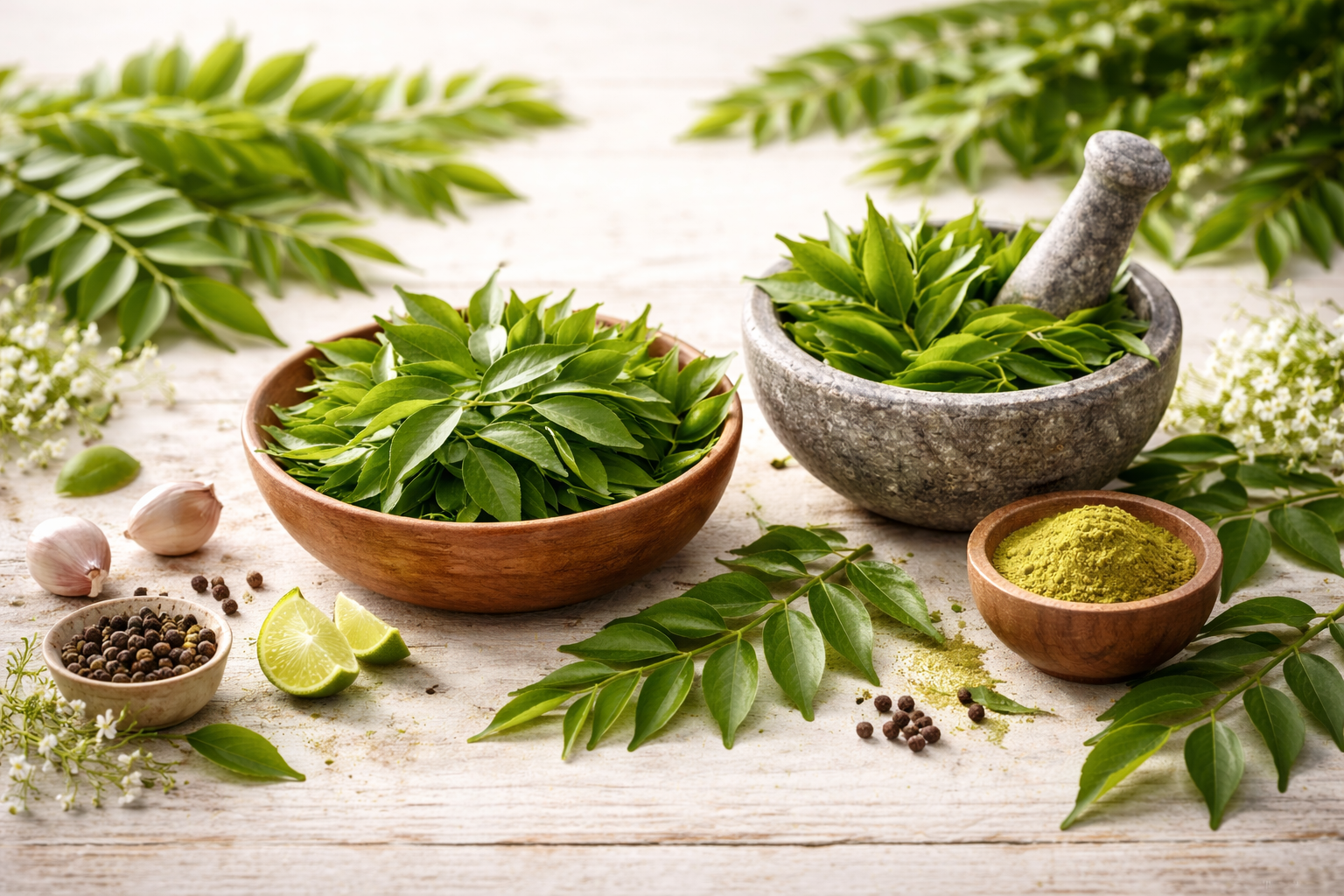
  • Curry Leaves: The Tiny Green Superfood for Hair, Digestion & Overall Wellness

    Curry Leaves: The Tiny Green Superfood for Hair, Digestion & Overall Wellness

    Curry leaves may look small and simple, but they are packed with powerful health benefits. Known scientifically as Murraya koenigii, curry leaves have been used in traditional Indian kitchens and healing practices for centuries. Beyond adding flavor and aroma to dishes, these vibrant green leaves are a natural treasure for your body and mind.

    In this blog, let’s explore the amazing benefits of curry leaves, how they support digestion and hair health, and simple ways to include them in your daily routine.


    🌿 What Are Curry Leaves?

    Curry leaves come from a small tropical tree native to India and Sri Lanka. They are commonly used in Indian cooking, especially in tempering (tadka), to enhance the flavor of curries, dals, chutneys, and soups.

    But curry leaves are not just a cooking ingredient — they are a natural wellness booster rich in:

    • Antioxidants
    • Iron
    • Calcium
    • Vitamin A
    • Vitamin C
    • Fiber

    These nutrients make curry leaves a powerful addition to a healthy lifestyle.


    🌱 Health Benefits of Curry Leaves

    1️⃣ Supports Healthy Digestion

    Curry leaves are known to stimulate digestive enzymes and improve gut health. They can help reduce bloating, constipation, and indigestion. The fiber content supports smooth bowel movements and a healthier digestive system.

    Drinking curry leaf water in the morning may gently detox the digestive tract and improve metabolism.


    2️⃣ Promotes Hair Growth & Reduces Hair Fall

    One of the most popular benefits of curry leaves is their effect on hair health. They are rich in antioxidants and amino acids that help:

    • Strengthen hair roots
    • Reduce hair thinning
    • Prevent premature greying
    • Improve scalp health

    Using curry leaf oil or consuming curry leaves regularly can nourish hair from within.


    3️⃣ Helps Manage Blood Sugar Levels

    Curry leaves contain compounds that may help regulate blood sugar levels. They improve insulin activity and reduce oxidative stress, making them beneficial for people managing blood sugar naturally.

    (Always consult a healthcare professional for medical conditions.)


    4️⃣ Supports Heart Health

    The antioxidants in curry leaves help reduce bad cholesterol (LDL) and protect the heart from oxidative damage. Regular consumption may contribute to better cardiovascular health.


    5️⃣ Boosts Immunity

    Rich in vitamins and plant compounds, curry leaves help strengthen the immune system. Their antimicrobial properties may protect the body from infections and inflammation.


    🥄 How to Use Curry Leaves Daily

    Adding curry leaves to your routine is simple:

    • Add fresh leaves to soups, dals, and stir-fries
    • Chew 5–7 fresh leaves in the morning on an empty stomach
    • Make curry leaf tea by boiling leaves in water
    • Prepare homemade curry leaf hair oil
    • Blend into chutneys and smoothies

    Fresh leaves offer the most benefits, but dried leaves can also be used.


    🌿 Simple Curry Leaf Tea Recipe

    Ingredients:

    • 8–10 fresh curry leaves
    • 1 cup water

    Method:

    1. Boil water.
    2. Add curry leaves and simmer for 5–7 minutes.
    3. Strain and drink warm.

    You may add a few drops of lemon for taste.


    ⚠️ Are There Any Side Effects?

    Curry leaves are generally safe when consumed in moderate amounts. However, people with specific medical conditions or allergies should consult a doctor before using them as a remedy.


    🌼 Final Thoughts

    Curry leaves are more than just a flavorful garnish — they are a natural wellness ally. From supporting digestion and hair growth to boosting immunity and heart health, these tiny green leaves offer powerful benefits.

    Including curry leaves in your daily routine is a simple and natural way to support your overall well-being.

    Small leaves. Big benefits. 🌿
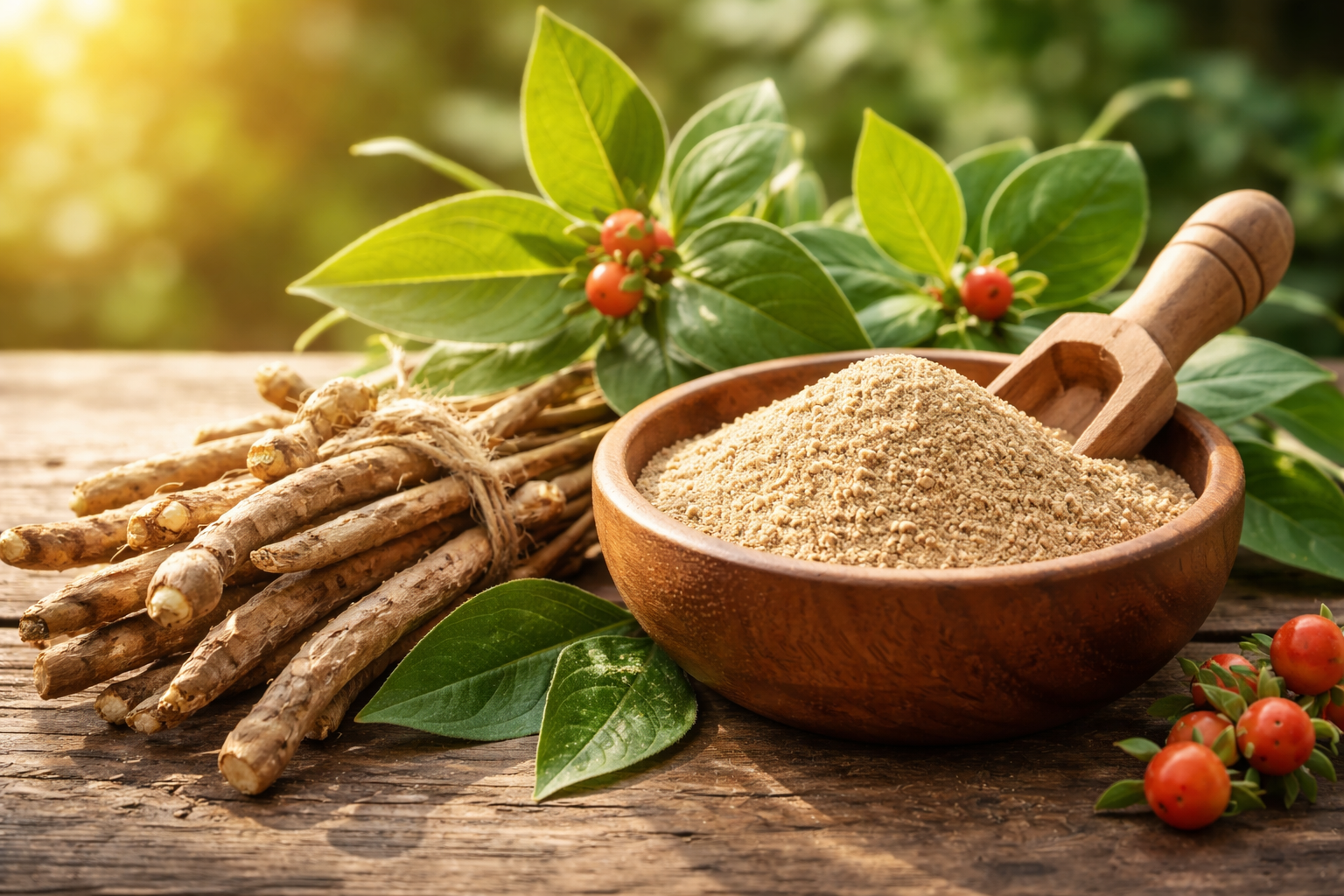
  • Ashwagandha: Nature’s Ancient Secret for Stress Relief and Strength

    Ashwagandha: Nature’s Ancient Secret for Stress Relief and Strength

    In today’s fast-paced world, stress, fatigue, and low immunity have become common concerns. Many people are now turning back to traditional herbal remedies for natural healing. One such powerful herb is ashwagandha — an ancient medicinal plant known for its ability to restore balance in the body.

    In this blog, we explore the benefits of ashwagandha, how it works, and why it is often called the “king of Ayurvedic herbs.”


    What is Ashwagandha?

    Withania somnifera, commonly known as ashwagandha, is a small shrub used in Ayurveda for over 3,000 years. The name “ashwagandha” means “smell of a horse,” symbolizing strength and vitality.

    It is classified as an adaptogen — a natural substance that helps the body adapt to stress and maintain balance.


    Health Benefits of Ashwagandha

    1. Reduces Stress and Anxiety

    One of the most well-known benefits of ashwagandha is its ability to lower stress levels. It helps reduce cortisol (the stress hormone) and promotes a sense of calmness. Regular use may support better emotional balance and mental clarity.

    SEO Keywords: ashwagandha for stress, natural stress relief, adaptogenic herbs


    2. Improves Energy and Stamina

    Feeling constantly tired? Ashwagandha may help improve physical endurance and reduce fatigue. It supports adrenal health and boosts overall energy naturally — without the crash that comes from caffeine.

    SEO Keywords: ashwagandha for energy, herbal vitality booster


    3. Supports Better Sleep

    The botanical name somnifera means “sleep-inducing.” Ashwagandha helps calm the nervous system, making it easier to fall asleep and enjoy deeper, more restful sleep.

    SEO Keywords: ashwagandha for sleep, natural sleep support


    4. Enhances Immunity

    Ashwagandha contains powerful antioxidants that support immune health. It helps the body fight infections and promotes overall wellness.

    SEO Keywords: ashwagandha immune support, immunity boosting herbs


    5. Promotes Hormonal Balance

    Ashwagandha may support thyroid function and hormonal balance in both men and women. It is also known to support reproductive health and vitality.

    SEO Keywords: ashwagandha hormone balance, ayurvedic herbs for wellness


    How to Use Ashwagandha

    Ashwagandha is available in different forms:

    • Powder (mixed with warm milk or water)
    • Capsules or tablets
    • Herbal teas
    • Liquid extracts

    The appropriate dosage depends on individual needs. It is always best to consult a healthcare professional before starting any herbal supplement.


    Are There Any Side Effects?

    Ashwagandha is generally safe when taken in recommended amounts. However, pregnant women, people with thyroid disorders, or those on medication should consult a doctor before use.


    Why Choose Ashwagandha?

    In a world filled with synthetic solutions, ashwagandha offers a natural way to restore balance. It does not simply treat symptoms — it supports the body’s ability to heal and strengthen itself.

    When used mindfully, this ancient herb can become a powerful companion for modern wellness.


    Final Thoughts

    Ashwagandha is more than just a herb — it is a symbol of strength, resilience, and natural healing. Whether you are looking to reduce stress, boost energy, improve sleep, or enhance overall well-being, ashwagandha may be the gentle yet powerful support your body needs.

    If you’re considering adding ashwagandha to your wellness routine, start slowly, stay consistent, and choose high-quality products for best results.

  • The Buddha in You & Me: Awakening the Inner Light of Awareness

    The Buddha in You & Me: Awakening the Inner Light of Awareness

    In today’s fast-moving world, we often search outside for peace, happiness, and meaning. But what if everything we are looking for already exists within us?

    At Zaya Wellness, we believe that the true journey of healing and transformation begins inside. The idea of “The Buddha in You & Me” reminds us that awakening is not reserved for a chosen few — it is a possibility within every human being.


    What Does “The Buddha in You & Me” Really Mean?

    The word Buddha means “the awakened one.” It refers to someone who has awakened to truth, compassion, and deep inner awareness. While Gautama Buddha is known as the historical Buddha, the deeper spiritual teaching is this:

    Buddha is not just a person. It is a state of consciousness.

    It is the state where:

    • The mind becomes calm.
    • The heart becomes compassionate.
    • The ego becomes silent.
    • Awareness becomes clear.

    And this state exists within you. Within me. Within all of us.


    The Inner Awakening: A Spiritual Perspective

    Every human being carries the seed of awakening. Yet, we often live covered in layers of stress, fear, comparison, and self-doubt.

    The Buddha within us awakens when:

    • We practice mindfulness.
    • We respond instead of react.
    • We choose kindness over judgment.
    • We observe our thoughts instead of becoming them.

    At Zaya Wellness, we see spiritual growth not as an escape from life, but as a deeper engagement with it — with clarity and compassion.


    The Buddha in Everyday Life

    You do not need to sit under a tree for years to awaken. Awakening happens in simple moments:

    • When you listen fully without interrupting.
    • When you forgive someone who hurt you.
    • When you pause and take a conscious breath.
    • When you act with love even when it is difficult.

    These small acts are expressions of your inner Buddha.

    Spirituality is not about becoming someone new.
    It is about remembering who you truly are.


    Why This Teaching Matters Today

    In a world filled with anxiety and noise, reconnecting with the Buddha within brings:

    • Emotional balance
    • Inner peace
    • Greater self-awareness
    • Compassionate relationships
    • Mental clarity

    The more individuals awaken to their inner light, the more peaceful our collective world becomes.

    At Zaya Wellness, we guide individuals toward this awareness through mindful practices, self-reflection, and holistic healing. Because when you heal yourself, you contribute to healing the world.


    How to Begin Awakening the Buddha Within

    Here are simple steps you can start today:

    1. Practice 5 minutes of mindful breathing daily.
    2. Observe your thoughts without judging them.
    3. Choose one act of kindness each day.
    4. Spend quiet time in self-reflection.
    5. Reduce digital distractions and create mindful pauses.

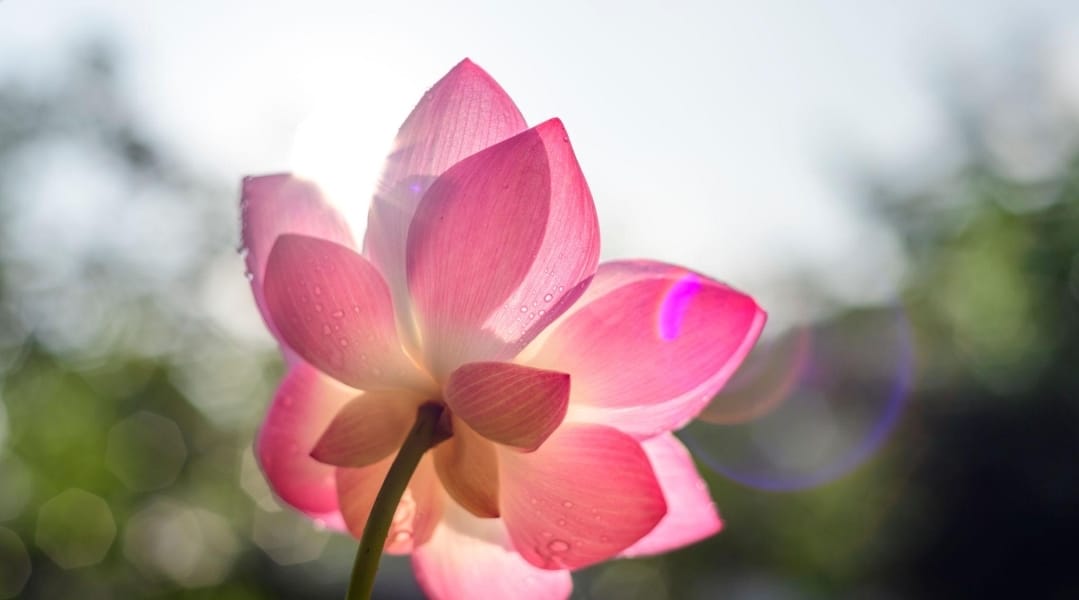
    Transformation does not happen overnight. It unfolds gently — like a lotus blooming.


    The Truth We Often Forget

    You are not separate from peace.
    You are not separate from wisdom.
    You are not separate from compassion.

    They are your true nature.

    The Buddha in you is not something you need to create — it is something you need to uncover.

    And when we realize this together, the Buddha in you meets the Buddha in me.

    That is where true connection begins.


    Final Reflection from Zaya Wellness

    At Zaya Wellness, we believe spirituality is not about perfection — it is about awareness. The journey toward inner awakening is deeply personal, yet beautifully universal.

    The Buddha in you is waiting patiently.

    Are you ready to listen?

  • Brahmi: The Ancient Brain Tonic for Calm, Clarity & Memory

    Brahmi: The Ancient Brain Tonic for Calm, Clarity & Memory

    In the world of Ayurvedic herbs, Brahmi holds a special place. Known scientifically as Bacopa monnieri, Brahmi has been used for centuries to support memory, mental clarity, and emotional balance.

    Today, as stress and mental fatigue have become part of modern life, more people are rediscovering this powerful natural brain tonic. In this blog, we’ll explore the benefits of Brahmi, how it works, and how you can safely include it in your wellness routine.


    What Is Brahmi?

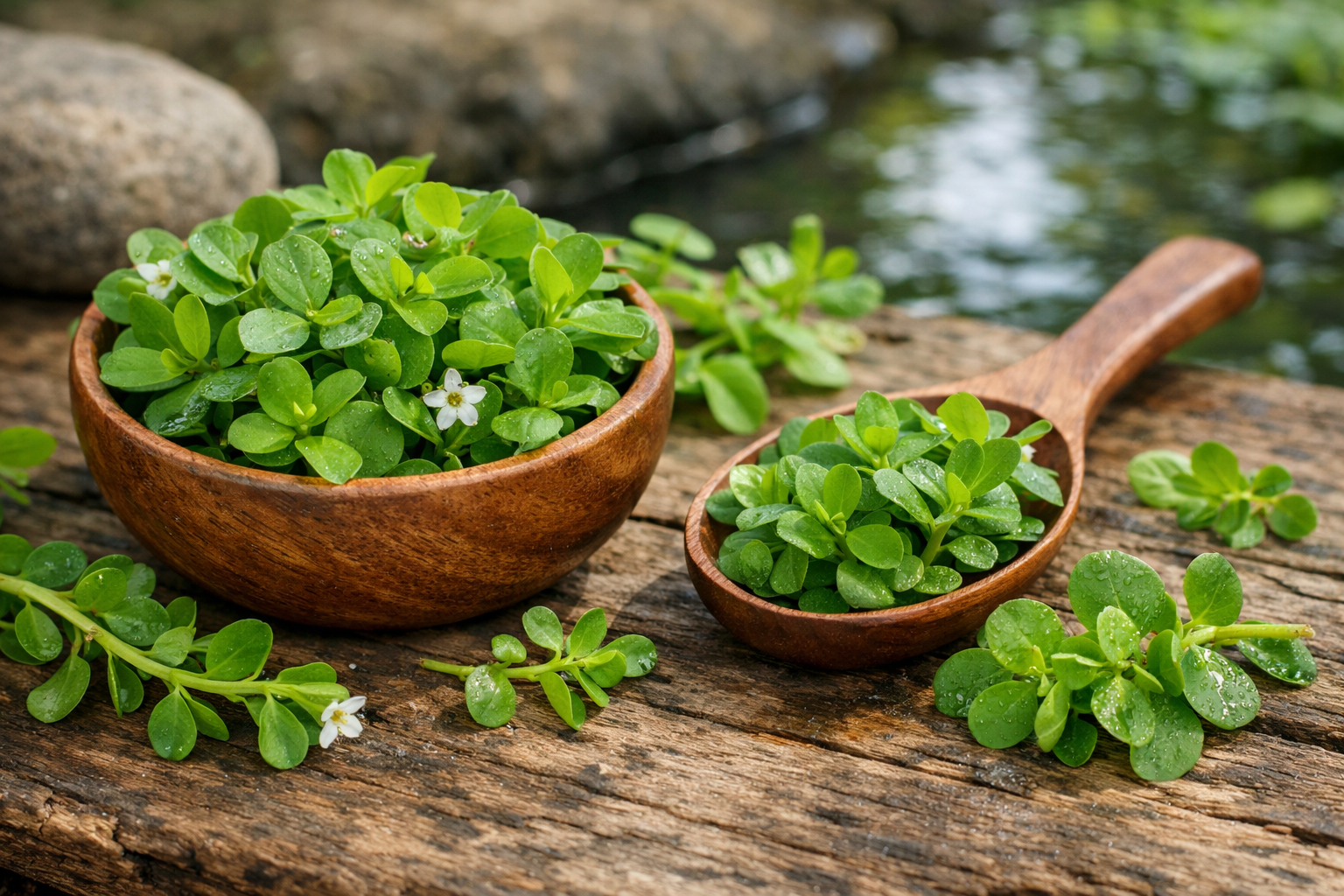
    Brahmi is a small, creeping herb that grows in wet and marshy areas. It has soft green leaves and tiny white flowers. In Ayurveda, it is classified as a Medhya Rasayana — a rejuvenating herb that supports the brain and nervous system.

    The name “Brahmi” comes from “Brahma,” the creator in Hindu tradition, symbolizing knowledge and consciousness. True to its name, Brahmi is widely respected for enhancing learning, concentration, and awareness.


    Top Health Benefits of Brahmi

    1. Improves Memory and Focus

    Brahmi is best known as a natural memory booster. Studies suggest it may help improve concentration, learning ability, and information retention. Students and professionals often use Brahmi to stay mentally sharp.

    2. Reduces Stress and Anxiety

    Brahmi has calming properties that help the body adapt to stress. It supports a balanced mood and may reduce feelings of restlessness and mental fatigue.

    3. Supports Brain Health

    Rich in powerful plant compounds called bacosides, Brahmi helps protect brain cells from oxidative stress. This makes it beneficial for long-term cognitive health.

    4. Promotes Better Sleep

    Because of its calming effect on the nervous system, Brahmi may help improve sleep quality without causing heavy sedation.

    5. Enhances Emotional Balance

    Regular use of Brahmi is believed to promote mental clarity and emotional stability, helping you respond to life’s challenges with calmness.


    How to Use Brahmi

    Brahmi is available in several forms:

    • Brahmi powder – Can be mixed with warm water or milk
    • Brahmi capsules or tablets – Easy and convenient
    • Brahmi oil – Used for scalp massage to relax the mind
    • Brahmi tea – Mild and soothing

    For best results, it’s always wise to consult a qualified healthcare practitioner before starting any herbal supplement.


    Who Can Benefit from Brahmi?

    • Students preparing for exams
    • Professionals facing mental stress
    • Elderly individuals looking to support cognitive health
    • Anyone seeking natural stress relief

    Are There Any Side Effects?

    Brahmi is generally safe when taken in recommended doses. However, some people may experience mild digestive discomfort. Pregnant or breastfeeding women and individuals with medical conditions should seek medical advice before use.


    Final Thoughts

    Brahmi is more than just an herb — it is a time-tested natural ally for the mind. In a fast-paced world filled with distractions, this ancient Ayurvedic treasure offers a gentle way to support memory, reduce stress, and improve mental clarity.

    If you are looking for a natural brain booster and stress-relieving herb, Brahmi may be a wonderful addition to your wellness journey.

  • Breathe in Balance: The Healing Power of Alternate Nostril Breathing

    Breathe in Balance: The Healing Power of Alternate Nostril Breathing

    At Zaya Wellness, we believe that healing does not always begin with something complicated. Sometimes, it begins with a single breath.

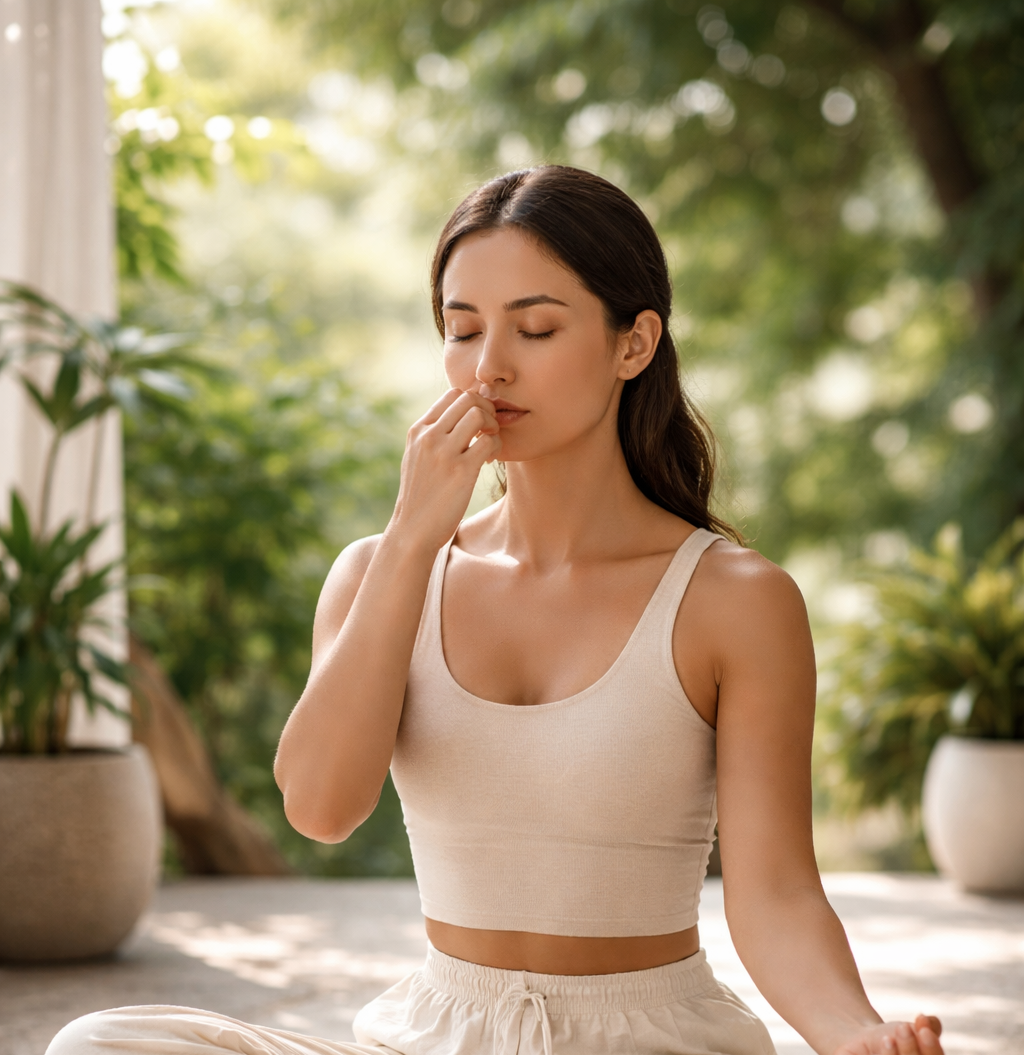
    One of the simplest and most powerful breathing techniques we recommend is Alternate Nostril Breathing, known in yoga as Nadi Shodhana. This gentle practice helps calm the mind, balance emotions, and restore inner harmony — all through conscious breathing.

    In this blog, we’ll explore what alternate nostril breathing is, its benefits, and how you can practice it daily for better mental and physical wellbeing.


    What Is Alternate Nostril Breathing?

    Alternate nostril breathing is a yogic breathing technique where you inhale through one nostril and exhale through the other, switching sides in a rhythmic pattern.

    In Sanskrit, Nadi means energy channel and Shodhana means cleansing. So, this practice literally means “cleansing the energy channels.” It is designed to balance the left and right hemispheres of the brain and regulate the nervous system.

    At Zaya Wellness, we see this practice as a bridge between the body and the soul — a simple ritual that brings you back to center.


    Benefits of Alternate Nostril Breathing

    Practicing alternate nostril breathing regularly can bring many benefits:

    🌿 1. Reduces Stress and Anxiety

    This breathing technique activates the parasympathetic nervous system, which helps calm the body. It lowers stress levels and reduces anxiety naturally.

    🌿 2. Improves Mental Clarity

    By balancing brain activity, it improves focus, concentration, and decision-making ability.

    🌿 3. Supports Emotional Balance

    When your breath is steady, your emotions become steady. This practice helps manage mood swings and emotional overwhelm.

    🌿 4. Enhances Lung Function

    It strengthens the lungs and improves respiratory efficiency over time.

    🌿 5. Promotes Better Sleep

    Practicing it before bedtime helps quiet the mind, making it easier to fall asleep peacefully.


    How to Practice Alternate Nostril Breathing (Step-by-Step Guide)

    Follow these simple steps:

    1. Sit comfortably with your spine straight.
    2. Relax your shoulders and close your eyes.
    3. Place your left hand on your knee.
    4. Use your right hand:
      • Close your right nostril with your thumb.
      • Inhale slowly through your left nostril.
      • Close your left nostril with your ring finger.
      • Release your right nostril and exhale slowly.
    5. Now inhale through the right nostril.
    6. Close it, open the left nostril, and exhale.

    This completes one round.

    Start with 5–7 rounds daily and gradually increase to 10–15 rounds.

    At Zaya Wellness, we recommend practicing on an empty stomach, preferably in the morning or before meditation.


    When Should You Practice Alternate Nostril Breathing?

    You can practice it:

    • In the morning to start your day calmly
    • Before meditation to deepen your practice
    • During stressful moments to regain balance
    • Before sleep to relax your mind

    Consistency is more important than duration. Even five minutes daily can create a powerful shift in your mental and emotional state.


    Who Should Avoid It?

    While alternate nostril breathing is safe for most people, those with severe respiratory infections, uncontrolled high blood pressure, or recent nasal surgery should consult a healthcare professional before practicing.

    Always practice gently. Breathing should never feel forced.


    The Spiritual Significance of Alternate Nostril Breathing

    In yogic philosophy, the left nostril represents the moon energy (calm, cooling), and the right nostril represents sun energy (active, warming). This practice harmonizes these energies within us.

    At Zaya Wellness, we see alternate nostril breathing as more than a technique — it is a reminder that balance is not found outside, but within.

    When the breath is balanced, the mind becomes quiet.
    When the mind is quiet, the heart becomes open.
    And when the heart is open, healing begins.


    Final Thoughts

    In a world that constantly pulls us outward, alternate nostril breathing gently brings us back inward. It is simple, free, and always available to you.

    At Zaya Wellness, we encourage you to make this sacred pause a part of your daily routine. Let your breath guide you toward clarity, calmness, and conscious living.

    Take a deep breath.
    Switch sides.
    And begin again. 🌿

  • 🌿 Mint Magic: Refresh Your Body, Calm Your Mind Naturally

    🌿 Mint Magic: Refresh Your Body, Calm Your Mind Naturally

    Mint is more than just a fresh flavor in your tea or chutney. This simple green herb has been used for centuries in traditional wellness practices for digestion, cooling the body, and refreshing the mind. At Zaya Wellness, we believe nature offers powerful remedies in the most humble forms — and mint is one of them.

    In this blog, let us explore the health benefits of mint, how to use it in daily life, and why this refreshing herb deserves a place in your wellness routine.


    🌱 What Is Mint?

    https://images.openai.com/static-rsc-3/08IjUhiwbAQs1g4UZN9aV4nIQvvseVIgOfX5MQYbWebi0v4DovqVE8Jf-dRu-UPCWZsD8fkEm0A_6qMvxsAVGt1WjGJ2pJmNmOEGQWBC-44?purpose=fullsize&v=1
    https://images.openai.com/static-rsc-3/Bv07SnIu7u1eAPSbBd8A7Y6xs1poCfl08u51-UzN8iJyia7oYXoGt6jdLxuIyFkgATF0qqy-hkwXG5GJaqhKv1EBi6uIDgS3keigxYaE1kg?purpose=fullsize&v=1
    https://images.openai.com/static-rsc-3/j9FkPuXQ_Xhzv1EyXg_SXC06fFujdn5eN4KGmDKTdjk1HiA13xaNvZMLtgg2iBEALGErnc1ncgxsojy41EXTmqkzyjNNhweCm1ijWESM2w0?purpose=fullsize&v=1

    4

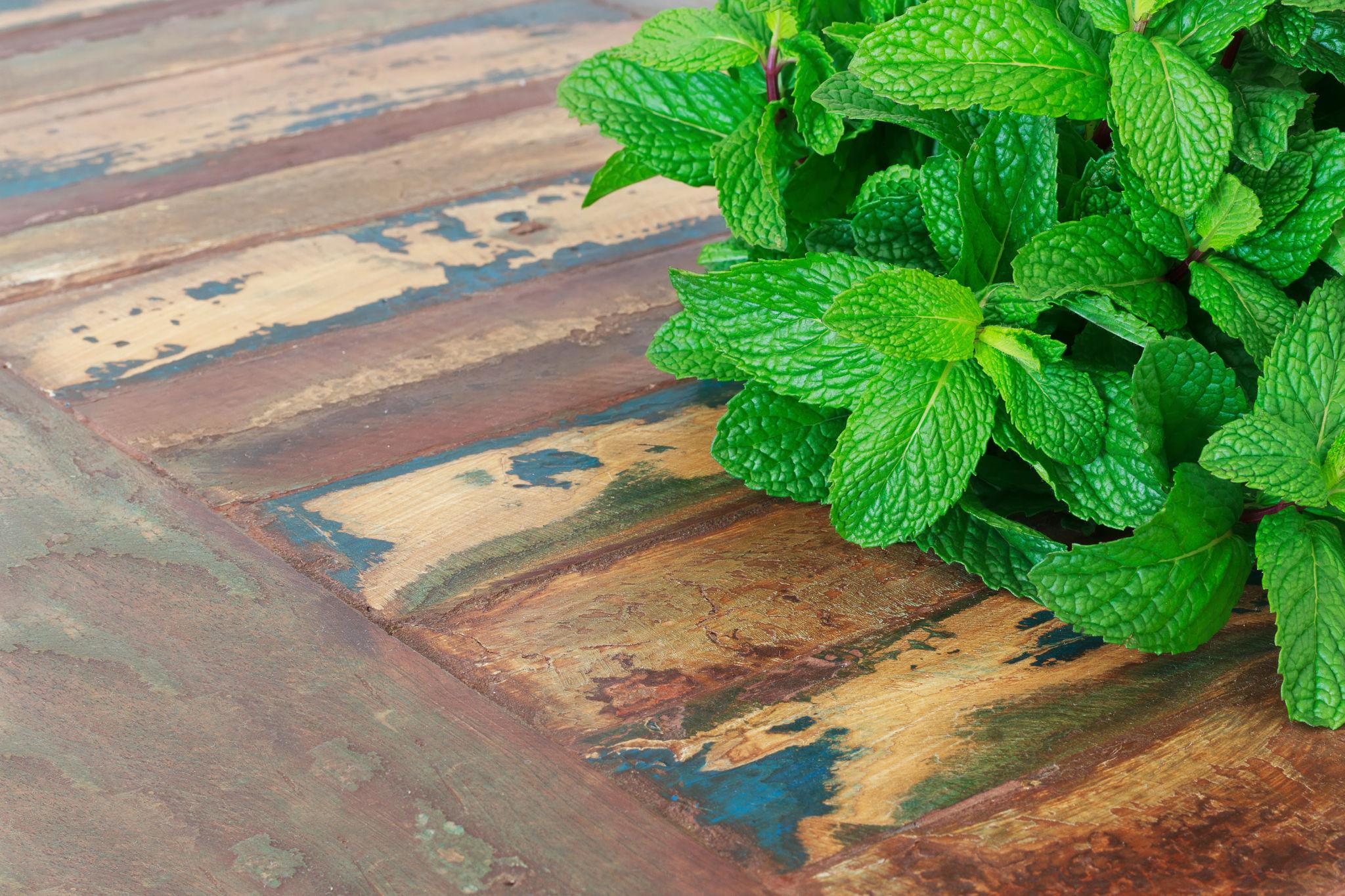
    Mint belongs to the Mentha family of plants and is known for its cooling taste and soothing aroma. Popular varieties include peppermint and spearmint. Mint leaves are rich in menthol, antioxidants, and essential oils that support overall health.


    🌿 Health Benefits of Mint

    1. Supports Healthy Digestion

    Mint is widely known for its ability to soothe the digestive system. It helps reduce bloating, gas, and indigestion. A simple cup of mint tea after meals can gently support gut health.

    2. Natural Cooling Herb

    Mint has a natural cooling effect on the body. During hot weather, mint water or mint-infused drinks can help you feel refreshed and energized.

    3. Relieves Headaches

    The menthol in mint helps relax muscles and improve blood circulation. Applying diluted mint oil on the temples may help ease mild headaches.

    4. Boosts Oral Health

    Mint is commonly used in toothpaste and mouthwash because it freshens breath and has antibacterial properties.

    5. Supports Respiratory Health

    The soothing aroma of mint can help open nasal passages and support easier breathing.


    🌿 How to Use Mint in Daily Life

    • Add fresh mint leaves to warm water for detox support.
    • Prepare mint tea for digestion and relaxation.
    • Blend mint into chutneys, smoothies, or salads.
    • Use mint leaves in infused water for natural flavor.
    • Inhale mint steam for sinus relief.

    Small daily habits can bring powerful changes when done consistently.


    🌿 Mint in Natural Wellness Practices

    In traditional systems of healing, mint is valued for balancing heat in the body and calming the mind. Its aroma is refreshing and uplifting, making it helpful during stress or mental fatigue.

    At Zaya Wellness, we encourage simple herbal additions like mint to support natural healing and mindful living.


    🌿 Precautions

    Mint is generally safe when used in moderation. However, those with acid reflux should use it carefully, as it may sometimes increase symptoms. Always consult a healthcare professional if you have specific medical conditions.


    🌿 Final Thoughts

    Mint is a gentle yet powerful herb that supports digestion, refreshes the body, and uplifts the mind. Sometimes, the simplest leaves hold the strongest healing.

    At Zaya Wellness, we believe that wellness begins with mindful choices. Adding mint to your daily routine is a small, refreshing step toward a balanced and healthy life.

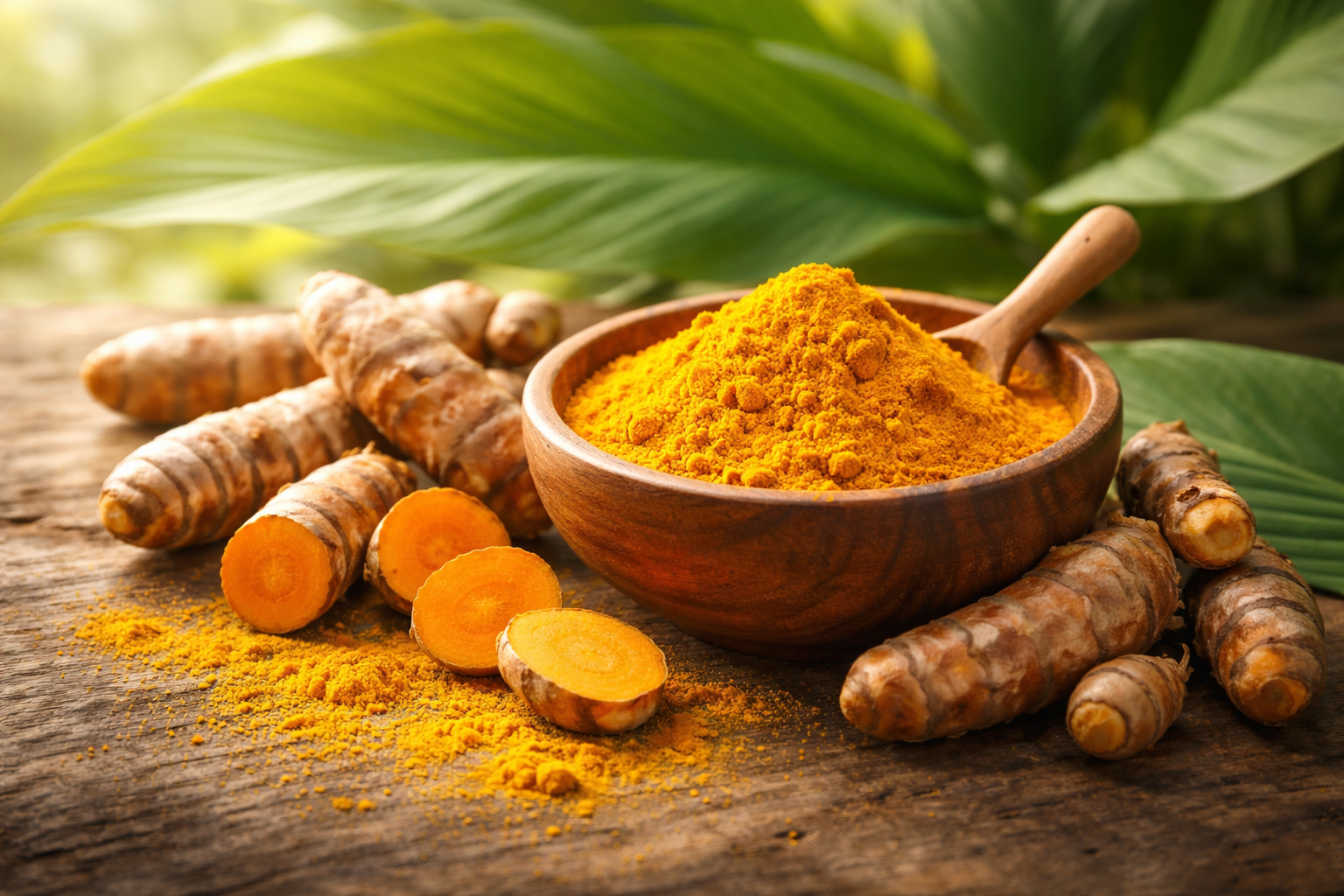
  • Golden Healer: The Powerful Health Benefits of Turmeric for Everyday Wellness

    Golden Healer: The Powerful Health Benefits of Turmeric for Everyday Wellness

    Turmeric is more than just a bright yellow spice in your kitchen. Known as the “Golden Healer,” turmeric has been used for centuries in traditional wellness practices for its powerful healing properties. Today, modern science also supports many of its health benefits.

    In this blog, let us explore the health benefits of turmeric, how to use it daily, and why this ancient spice deserves a place in your wellness routine.


    What is Turmeric?

    Turmeric comes from the root of the plant called Curcuma longa. It belongs to the ginger family and is widely grown in India and other parts of Asia. The bright yellow color of turmeric comes from a natural compound called curcumin, which is responsible for most of its healing benefits.

    Turmeric has been used in traditional systems like Ayurveda for thousands of years to support digestion, immunity, skin health, and overall balance in the body.


    Top Health Benefits of Turmeric

    1. Powerful Anti-Inflammatory Properties

    Chronic inflammation is linked to many health issues. Curcumin in turmeric helps reduce inflammation naturally. This makes turmeric beneficial for people dealing with joint pain, muscle soreness, and stiffness.


    2. Boosts Immunity Naturally

    Turmeric supports your immune system by fighting harmful bacteria and viruses. Adding turmeric to your daily diet can help your body stay strong, especially during seasonal changes.


    3. Supports Digestive Health

    Turmeric stimulates bile production, which helps in better digestion. It may reduce bloating, gas, and discomfort. Many people drink warm turmeric water in the morning to improve gut health.


    4. Promotes Healthy Skin

    Turmeric is widely used in natural skincare. It helps reduce acne, brighten skin, and calm irritation due to its antibacterial and anti-inflammatory properties. Turmeric face masks are a popular home remedy for glowing skin.


    5. Supports Joint and Bone Health

    People experiencing joint discomfort often benefit from turmeric supplements. Its anti-inflammatory nature may help improve flexibility and reduce pain over time.


    6. May Improve Brain Health

    Curcumin may support brain function by improving memory and concentration. Research suggests it may also help protect against age-related cognitive decline.


    How to Use Turmeric Daily

    Here are some simple ways to include turmeric in your routine:

    • Add ½ teaspoon to warm milk (Golden Milk)
    • Mix in warm water with lemon and honey
    • Use in curries, soups, and rice dishes
    • Add a pinch to smoothies
    • Apply turmeric paste for skin care

    Tip: Curcumin is better absorbed when taken with black pepper. The compound piperine in black pepper improves absorption significantly.


    Is Turmeric Safe?

    Turmeric is generally safe when used in food amounts. However:

    • Avoid high doses without medical advice.
    • Pregnant women and people with gallbladder issues should consult a healthcare provider.
    • Always choose high-quality, pure turmeric powder.

    Final Thoughts

    Turmeric is truly a golden gift from nature. From boosting immunity to supporting digestion and glowing skin, its benefits are impressive. By adding turmeric to your daily wellness routine, you take a simple yet powerful step toward better health.

    Nature has always provided healing tools — and turmeric is one of its brightest treasures.

  • The Power of Emotional Expression: Why Feeling and Sharing Matters for True Healing

    The Power of Emotional Expression: Why Feeling and Sharing Matters for True Healing

    In today’s fast-moving world, many of us are taught to “stay strong,” “not overreact,” or “move on quickly.” But what if true strength lies in something else? What if healing begins when we allow ourselves to feel?

    At Zaya Wellness, we believe that emotional expression is not weakness — it is wisdom. When we allow emotions to move through us instead of suppressing them, we create space for clarity, peace, and long-term well-being.

    Let us explore why emotional expression is so important and how it impacts your mental, physical, and spiritual health.


    What Is Emotional Expression?

    Emotional expression means acknowledging what you feel and allowing yourself to express it in healthy ways. This could be through:

    • Talking to someone you trust
    • Journaling your thoughts
    • Crying when you feel overwhelmed
    • Creative expression like art, music, or movement
    • Conscious communication in relationships

    It is not about reacting impulsively. It is about responding honestly and mindfully.


    Why Is Emotional Expression Important?

    1. Suppressed Emotions Affect the Body

    When emotions are ignored or suppressed, they don’t disappear. They stay stored in the body. Over time, this may lead to:

    • Chronic stress
    • Anxiety
    • Fatigue
    • Body pain
    • Digestive issues

    At Zaya Wellness, we often observe that unresolved emotional patterns can manifest as physical discomfort. Emotional health and physical health are deeply connected.


    2. It Improves Mental Clarity

    When you suppress emotions, your mind becomes cluttered. Unexpressed feelings create internal tension.

    But when you acknowledge and release them:

    • Your thoughts become clearer
    • Decision-making improves
    • You feel lighter and more balanced

    Emotional awareness builds emotional intelligence — the ability to understand yourself and others better.


    3. It Strengthens Relationships

    Healthy emotional expression improves communication.

    Instead of:

    • Silent resentment
    • Sudden outbursts
    • Emotional distance

    You create:

    • Honest conversations
    • Deeper trust
    • Emotional intimacy

    At Zaya Wellness, we guide individuals and couples to express emotions without blame, guilt, or fear. This creates harmony in relationships.


    4. It Reduces Anxiety and Emotional Overload

    Many people struggle with anxiety not because they feel too much — but because they don’t allow themselves to process what they feel.

    When emotions are expressed safely:

    • The nervous system calms down
    • Stress hormones reduce
    • You feel grounded

    Expression is release. Release is relief.


    Healthy Ways to Express Emotions

    Emotional expression does not mean uncontrolled reactions. It means mindful processing.

    Here are some simple practices we recommend at Zaya Wellness:

    ✨ Pause and Name the Emotion

    Instead of saying “I’m not okay,” try identifying the feeling:
    “I feel hurt.”
    “I feel afraid.”
    “I feel overwhelmed.”

    Naming the emotion reduces its intensity.

    ✨ Practice Conscious Breathing

    Deep breathing regulates the nervous system and allows emotions to move safely through the body.

    ✨ Journal Without Judgement

    Write freely. No grammar rules. No filtering. Just honesty.

    ✨ Seek Safe Support

    A therapist, counsellor, or wellness practitioner can guide you in exploring emotions without fear.


    Emotional Suppression vs Emotional Regulation

    It is important to understand the difference:

    • Suppression = Ignoring or pushing emotions away
    • Regulation = Feeling emotions but managing how you respond

    At Zaya Wellness, we focus on emotional regulation — helping you feel fully without losing control.


    Emotional Expression and Holistic Healing

    From an Ayurvedic and yogic perspective, emotional blockages can disturb the natural flow of energy in the body.

    When emotions are acknowledged:

    • Energy flows more freely
    • The mind becomes steady
    • Inner peace develops

    Healing is not just about herbs, diet, or exercise. It is also about emotional balance.


    Final Thoughts: Your Emotions Are Not the Enemy

    Your emotions are messengers. They are not here to punish you. They are here to guide you.

    When you allow yourself to feel:

    • You become more authentic
    • You build inner strength
    • You move closer to true peace

    At Zaya Wellness, we encourage you to honour your emotional world with compassion. Healing begins when you stop fighting your feelings and start listening to them.


    A Gentle Invitation from Zaya Wellness

    If you are struggling with emotional overwhelm, suppressed feelings, or relationship challenges, you are not alone. Our holistic wellness guidance combines emotional awareness, mindful practices, and traditional wisdom to support your journey.

    Because healing is not about being emotionless —
    It is about learning to feel safely.

    With care and awareness,
    Zaya Wellness

  • Small Gestures, Strong Bonds: The Hidden Power of Everyday Love

    Small Gestures, Strong Bonds: The Hidden Power of Everyday Love

    In every relationship, we often focus on big moments — anniversaries, gifts, trips, celebrations. But the real strength of a relationship lies in something much smaller and far more powerful: gestures.

    At Zaya Wellness, we believe that relationships grow not only through words, but through consistent, mindful actions. A simple gesture can speak louder than a thousand promises.

    Let’s explore why gestures are so important in relationships and how they quietly build emotional connection.


    What Are Gestures in a Relationship?

    Gestures are small actions that show care, love, appreciation, or support. They do not need to be expensive or dramatic. In fact, the simplest gestures often carry the deepest meaning.

    Examples include:

    • A warm hug after a long day
    • Sending a thoughtful message
    • Making tea without being asked
    • Listening without interrupting
    • Holding hands while walking

    These small acts create emotional security and strengthen trust.


    Why Are Gestures Important in a Relationship?

    1. Gestures Build Emotional Connection

    Relationships thrive on emotional safety. When someone makes a small effort for us, it makes us feel valued. A kind gesture tells your partner, “You matter to me.”

    At Zaya Wellness, we often remind our clients that emotional connection is built daily — not occasionally.


    2. Gestures Show Love Without Words

    Not everyone expresses love through long conversations. Sometimes, a simple touch, a smile, or eye contact can communicate deep affection.

    Body language and small acts often reveal genuine emotions more clearly than words.


    3. Small Gestures Prevent Emotional Distance

    Many couples drift apart not because of major fights, but because of neglecting small moments. When gestures disappear, emotional distance slowly grows.

    Consistency in small efforts keeps the relationship alive and warm.


    4. Gestures Create Positive Energy in Relationships

    Relationships reflect the energy we invest in them. Small acts of kindness create a cycle of positivity. When one partner initiates care, the other naturally responds with warmth.

    This creates a healthy emotional rhythm.


    5. Gestures Build Trust Over Time

    Trust is not built overnight. It grows through repeated, thoughtful actions. When your partner sees consistent care in small ways, they feel secure.

    Security is the foundation of long-term love.


    Why Do People Stop Making Gestures?

    Sometimes, routine, stress, ego, or assumptions make us stop putting in effort. We start thinking:

    • “They already know I care.”
    • “Why should I always make the effort?”
    • “It’s just a small thing, it doesn’t matter.”

    But in relationships, small things matter the most.

    At Zaya Wellness, we guide individuals and couples to reconnect through conscious effort and emotional awareness.


    Simple Ways to Practice Meaningful Gestures

    You don’t need grand romantic plans. Start small:

    ✔ Appreciate your partner daily
    ✔ Maintain eye contact while talking
    ✔ Offer help without being asked
    ✔ Express gratitude
    ✔ Surprise them with something thoughtful
    ✔ Apologize sincerely when needed

    These gestures nurture emotional intimacy and strengthen long-term relationships.


    The Zaya Wellness Perspective

    At Zaya Wellness, we believe love is not measured by big declarations, but by consistent presence. A relationship grows when both partners feel seen, heard, and valued.

    Small gestures are not “small.”
    They are silent investments in emotional bonding.

    If you feel distance in your relationship, don’t wait for a major solution. Start with a simple gesture today.

    Because sometimes, love is just a cup of tea made with care.


    Final Thoughts

    The importance of gestures in relationships cannot be ignored. They create trust, emotional closeness, and lasting happiness.

    Remember:
    Big moments impress.
    Small gestures sustain.

    And at Zaya Wellness, we help you build relationships that feel safe, balanced, and deeply connected.

  • Reading Between the Lines: The Hidden Language of Emotions

    Reading Between the Lines: The Hidden Language of Emotions

    In our daily lives, we hear many words. But have you noticed that sometimes what people don’t say speaks louder than what they actually say?

    At Zaya Wellness, we believe that true emotional intelligence begins when you learn the art of reading between the lines. This skill can transform your relationships, improve communication, and deepen your self-awareness.

    Let’s understand what it really means and how you can practice it.


    What Does “Reading Between the Lines” Mean?

    Reading between the lines means understanding the hidden emotions, intentions, or feelings behind someone’s words.

    For example:

    • When someone says, “I’m fine,” but avoids eye contact.
    • When a partner says, “It’s okay,” but their tone sounds hurt.
    • When a colleague says, “No worries,” but their body language feels tense.

    The real message often lies in:

    • Tone of voice
    • Facial expressions
    • Body language
    • Silence

    Words are just one part of communication. Emotions complete the sentence.


    Why Is It Important in Relationships?

    Strong relationships are built on understanding — not assumptions.

    When you learn to read between the lines:

    • You respond with empathy instead of reacting defensively.
    • You notice emotional needs before they turn into conflicts.
    • You create deeper emotional safety.

    At Zaya Wellness, we often remind our clients:
    “Listen to understand, not just to reply.”

    Many conflicts happen not because of what was said — but because of what was felt and never addressed.


    The Emotional Side of Communication

    Sometimes people don’t say what they truly feel because:

    • They fear rejection.
    • They don’t want to hurt you.
    • They don’t fully understand their own emotions.
    • They were never taught how to express feelings.

    This is where emotional awareness becomes powerful.

    Instead of asking:
    “Why did they say that?”

    Try asking:
    “What might they be feeling right now?”

    This small shift changes everything.


    How to Practice Reading Between the Lines

    Here are simple steps you can start using today:

    1. Observe Without Judging

    Pay attention to tone, pauses, and body language. Notice changes without immediately creating a story in your mind.

    2. Ask Gentle Questions

    Instead of assuming, ask:

    • “You seem a little quiet today. Is everything okay?”
    • “I feel like something is bothering you. Would you like to talk?”

    This creates emotional space.

    3. Listen Fully

    Don’t interrupt. Don’t prepare your answer while the other person is speaking. Just listen.

    4. Check Your Own Emotions

    Sometimes we misread situations because of our own fears or past experiences. Self-awareness helps you respond clearly.


    Reading Between the Lines in Yourself

    This skill is not only for understanding others. It is also about understanding yourself.

    When you say:
    “I’m just tired.”

    Are you really tired?
    Or are you overwhelmed? Hurt? Disappointed?

    At Zaya Wellness, we guide individuals to pause and reflect on their inner dialogue. Many emotional wounds stay unhealed because we ignore what lies beneath our own words.


    The Balance: Don’t Overthink Everything

    Reading between the lines does not mean overanalyzing every sentence. It means becoming emotionally aware — not suspicious.

    Healthy communication also requires clarity. If something is unclear, ask. Don’t guess.


    Final Thoughts

    The art of reading between the lines is a powerful emotional skill. It builds trust, reduces misunderstandings, and strengthens connections — whether in relationships, family, friendships, or even at work.

    At Zaya Wellness, we believe healing and growth begin when we truly listen — not just to words, but to emotions.

    Because sometimes, the real message is hidden in the silence.


    If you would like, I can also generate a realistic featured image concept for this article that matches the emotional tone 🌿