Tag: wellness

  • Attention Disorder vs Multitasking: Are We Distracted or Just Overloaded?

    Attention Disorder vs Multitasking: Are We Distracted or Just Overloaded?

    In today’s fast-moving world, many of us feel distracted, restless, and mentally scattered. We jump from one task to another — checking messages, replying to emails, working, scrolling, thinking — all at the same time.

    But here’s an important question:

    Are we truly facing an attention disorder, or are we simply overwhelmed by multitasking?

    At Zaya Wellness, we believe understanding this difference is essential for mental clarity, emotional balance, and overall wellbeing.

    Let’s explore this gently and clearly.


    What is Attention Disorder?

    Attention Disorder (commonly known as ADHD – Attention Deficit Hyperactivity Disorder) is a medical condition that affects the brain’s ability to focus, regulate impulses, and manage energy levels.

    Some common signs include:

    • Difficulty concentrating for long periods
    • Forgetting tasks frequently
    • Restlessness or impulsive behavior
    • Trouble organizing daily activities
    • Feeling mentally “all over the place”

    It is important to understand that ADHD is not laziness or lack of discipline. It is a neurological condition that may require professional guidance, therapy, and sometimes medical support.

    If symptoms are persistent and affect daily life significantly, seeking help from a qualified professional is important.


    What is Multitasking?

    Multitasking is something most of us practice every day. We try to do multiple tasks at once to save time or be more productive.

    For example:

    • Attending a meeting while replying to messages
    • Watching a video while working
    • Cooking while scrolling social media
    • Switching between several tabs on the computer

    It feels efficient. But is it really?

    Research shows that the brain is not designed to truly focus on multiple tasks at the same time. Instead, it switches rapidly between tasks — and this constant switching drains mental energy.

    Over time, multitasking can:

    • Reduce focus and productivity
    • Increase stress levels
    • Cause mental fatigue
    • Make us feel distracted
    • Lower the quality of our work

    At Zaya Wellness, we often see that what people call “poor attention” is actually mental exhaustion caused by overstimulation.


    Attention Disorder vs Multitasking: The Key Difference

    Here is a simple way to understand the difference:

    Attention DisorderMultitasking Overload
    Neurological conditionLifestyle habit
    Present since childhood (in most cases)Developed due to modern work culture
    Affects all areas of life consistentlyMostly related to work, phone use, and digital habits
    Requires professional assessmentCan improve with lifestyle changes

    Many people today mistake digital overload and constant stimulation for attention disorder.

    But sometimes, the real issue is that our brain never gets to rest.


    The Hidden Impact of Constant Multitasking

    When we keep switching tasks:

    • Cortisol (stress hormone) increases
    • Dopamine cycles become irregular
    • Our nervous system stays in “alert mode”
    • Sleep quality decreases
    • Emotional regulation becomes harder

    Over time, this creates a state of mental chaos.

    The mind becomes reactive instead of calm.

    At Zaya Wellness, we believe attention is a sacred energy. When scattered, we feel drained. When centered, we feel powerful.


    How to Improve Focus Naturally

    If your distraction is caused by multitasking overload, small mindful changes can help.

    1. Practice Single-Tasking

    Focus on one task at a time for 25–40 minutes. Keep your phone away.

    2. Digital Detox Windows

    Create phone-free hours in your day.

    3. Mindful Breathing

    Simple breathing techniques calm the nervous system and improve concentration.

    4. Structured Breaks

    Take short intentional breaks instead of random scrolling.

    5. Sleep and Nervous System Care

    Proper sleep restores attention capacity.


    When to Seek Professional Help

    If you experience:

    • Long-term focus issues since childhood
    • Severe impulsivity
    • Academic or workplace struggles
    • Emotional dysregulation

    It is important to consult a mental health professional for proper evaluation.

    Self-diagnosis through social media content can often create confusion.


    Final Thoughts from Zaya Wellness

    Not every distracted mind is disordered.

    Sometimes, it is simply overstimulated.

    In a world that glorifies multitasking, slowing down may feel uncomfortable — but it is healing.

    At Zaya Wellness, we encourage conscious living over constant doing. Your mind deserves clarity. Your attention deserves protection.

    When you bring awareness to where your focus goes, you reclaim your inner balance.

  • Anger Management: Understanding, Healing & Transforming Your Anger the Zaya Way

    Anger Management: Understanding, Healing & Transforming Your Anger the Zaya Way

    Anger is a natural human emotion. We all experience it. But when anger becomes intense, frequent, or uncontrolled, it can affect our relationships, health, and inner peace.

    At Zaya Wellness, we believe anger is not something to suppress or fear. It is a message from within — asking for attention, awareness, and healing.

    Let us understand anger in a healthy and mindful way.


    What Is Anger?

    Anger is an emotional response to situations where we feel hurt, disrespected, threatened, or unheard. It is often a secondary emotion. Beneath anger, there may be:

    • Hurt
    • Fear
    • Insecurity
    • Frustration
    • Feeling powerless

    When we don’t process these emotions, anger becomes our protective shield.


    Why Is Anger Management Important?

    Unmanaged anger can impact your:

    1. Physical Health

    Chronic anger increases stress hormones like cortisol and adrenaline. This may lead to:

    • High blood pressure
    • Headaches
    • Digestive issues
    • Sleep disturbances

    2. Mental Health

    Constant anger can increase anxiety, stress, and emotional exhaustion.

    3. Relationships

    Anger expressed without awareness can damage trust, create distance, and hurt loved ones.

    At Zaya Wellness, we encourage emotional awareness instead of emotional suppression.


    Signs You May Need Anger Management Support

    • You react quickly and regret later
    • Small things irritate you deeply
    • You feel tension in your body often
    • People say you are short-tempered
    • You feel guilty after angry outbursts

    Recognizing this is not weakness. It is self-awareness.


    Healthy Anger Management Techniques

    Here are simple and practical steps to manage anger mindfully:

    1. Pause Before You React

    Take 5 slow, deep breaths. This calms your nervous system and reduces emotional intensity.

    2. Identify the Real Emotion

    Ask yourself:
    “Am I really angry, or am I hurt, disappointed, or scared?”

    Understanding the root emotion brings clarity.

    3. Practice Mindful Breathing

    Slow breathing signals safety to the brain. It lowers stress hormones and balances your emotions.

    4. Move Your Body

    Walking, stretching, or yoga helps release stored tension from muscles.

    5. Express, Don’t Suppress

    Write your feelings in a journal. Speak calmly about how you feel instead of blaming.

    Use “I feel…” statements instead of “You always…”

    6. Build Emotional Awareness Daily

    Meditation, gratitude practice, and self-reflection help you respond instead of react.


    The Spiritual Perspective of Anger

    From a holistic wellness perspective, anger often reflects inner imbalance. It may arise when:

    • Boundaries are weak
    • Expectations are high
    • Communication is unclear
    • Self-care is neglected

    Anger is not the enemy. It is energy. When guided properly, it becomes strength, courage, and clarity.

    At Zaya Wellness, we help individuals transform emotional turbulence into emotional intelligence.


    When to Seek Professional Help

    If anger is affecting your work, marriage, parenting, or mental health, seeking guidance is a powerful step.

    Therapy, counselling, breathwork sessions, and mindfulness coaching can help you understand and manage your emotional patterns safely.

    There is no shame in asking for help. Healing is strength.


    Final Thoughts: Choose Awareness Over Reaction

    Anger is not bad. It becomes harmful only when it controls you.

    At Zaya Wellness, we believe that every emotion carries wisdom. When you listen to your anger with awareness, you transform it into growth.

    Instead of asking, “Why am I so angry?”
    Ask, “What is my anger trying to teach me?”

    Your healing begins with awareness.


    If you are struggling with anger, emotional overwhelm, or stress, our holistic wellness sessions can guide you toward calmness and clarity.

    Connect with Zaya Wellness today and begin your journey toward emotional balance and inner peace.

  • Love or Fear? The Hidden Force That Shapes Your Life

    Love or Fear? The Hidden Force That Shapes Your Life

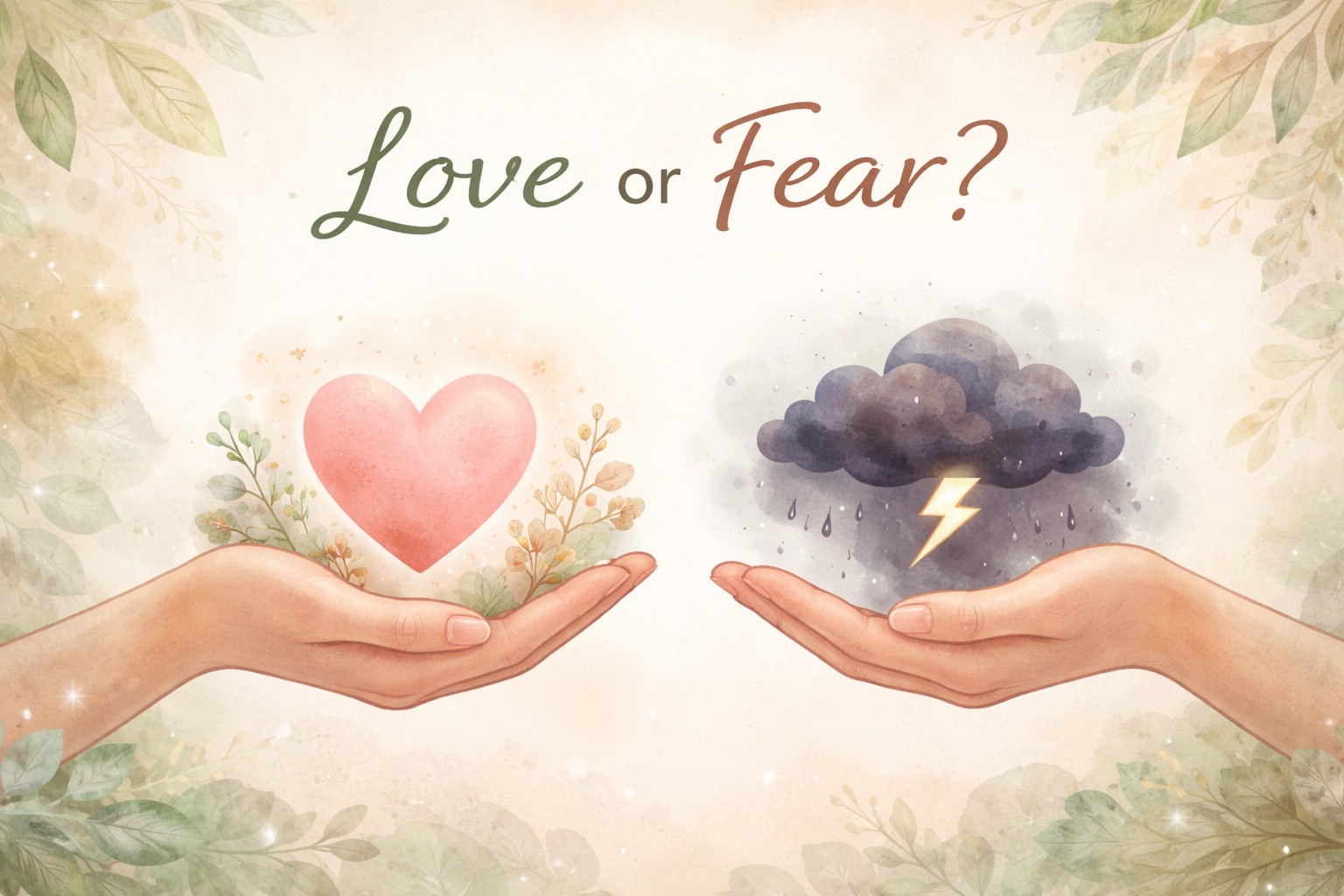
    Every decision we make comes from one of two places: love or fear. At Zaya Wellness, we often ask our community a simple yet powerful question:
    “Is this choice coming from love, or from fear?”
    This awareness alone can transform your life.
    Understanding Love and Fear
    Love and fear are not just emotions. They are energies that influence your thoughts, actions, and relationships. Love feels open, calm, trusting, and expansive. Fear feels tight, anxious, doubtful, and restrictive. When you choose from love, you grow. When you choose from fear, you shrink. And most of us move through life without realizing which one is driving us.
    How Fear Quietly Controls Our Lives
    Fear is subtle. It does not always look dramatic.
    It can show up as:
    👉🏿 Fear of failure
    👉🏿 Fear of rejection
    👉🏿 Fear of being judged
    👉🏿 Fear of not being good enough
    👉🏿 Fear of change
    👉🏿 Fear of losing control
    Because of fear, we may:
    👉🏿 Stay in unhealthy relationships
    👉🏿 Avoid new opportunities
    👉🏿 Suppress our true feelings
    👉🏿 Overwork to prove our worth
    👉🏿 Say “yes” when we want to say “no”
    Fear keeps us safe — but it also keeps us small. At Zaya Wellness, we believe fear is not your enemy. It is simply a signal that your nervous system is trying to protect you.
    What Choosing Love Really Means
    Choosing love does not mean ignoring reality or pretending everything is perfect.
    It means:
    👉🏿 Responding instead of reacting
    👉🏿 Setting boundaries with kindness
    👉🏿 Trusting your inner wisdom
    👉🏿 Allowing yourself to grow
    👉🏿 Being compassionate toward yourself
    Love expands your breath.
    Love softens your body.
    Love builds connection.

    When you act from love, you feel aligned. Even difficult decisions feel peaceful.
    Love vs Fear in Daily Life
    Here are simple examples:
    👉🏿 Situation: You want to start something new.
    Fear says: “What if I fail?”
    Love says: “What if I grow?”
    👉🏿 Situation: Someone disagrees with you.
    Fear says: “Defend yourself.”
    Love says: “Listen and understand.”
    👉🏿 Situation: You made a mistake.
    Fear says: “You are not enough.”
    Love says: “You are learning.”
    The external situation may be the same. The inner energy is different.

    The Nervous System Connection
    From a wellness perspective, fear activates your fight-or-flight response. Your body tightens. Stress hormones increase. You feel alert or anxious. Love activates your rest-and-digest response. Your body relaxes. Your breathing deepens. You feel safe. Healing begins when your body feels safe.
    At Zaya Wellness, we guide you to create this inner safety through breathwork, mindfulness, body awareness, and emotional healing practices.
    How to Shift from Fear to Love
    Here are simple steps you can practice daily:

    👉🏿 Seek Support
    You do not have to heal alone. Guidance makes the journey easier.
    👉🏿 Why This Awareness Changes Everything
    When you become aware of whether you are acting from love or fear:
    – Your relationships improve
    – Your confidence grows
    – Your anxiety reduces
    – Your decisions become clearer
    – Your life feels more peaceful
    The world does not change overnight. But your inner world does — and that changes everything.
    A Gentle Reflection from Zaya Wellness
    Right now, pause for a moment.
    Think about one situation in your life that feels heavy.
    Ask yourself quietly:
    “What would love do here?”
    That answer — soft, honest, and calm — is your truth.
    At Zaya Wellness, we believe healing begins when you choose love, even in small moments. Because love is not weakness. It is strength guided by awareness.
    Final Thoughts
    Every day, you stand at a crossroads.
    Fear protects.
    Love transforms.

    The choice is yours.

    Pause and Notice
    Before reacting, ask yourself:
    “Am I responding from love or fear?”

    Breathe Deeply
    Slow breathing signals safety to your body.

    Speak Kindly to Yourself
    Replace self-criticism with compassion.

    Take One Small Brave Step
    Love does not require big leaps. Small aligned actions are enough.

    And if you need support in learning how to choose love more often, we at Zaya Wellness are here to walk beside you on your healing journey.
    🌿 Choose gently. Choose consciously. Choose love.

  • 🌿 True Emotions: Understanding Your Inner Truth with Zaya Wellness

    🌿 True Emotions: Understanding Your Inner Truth with Zaya Wellness

    Discover what true emotions really are and how to understand, accept, and express them in a healthy way. Learn how Zaya Wellness guides you toward emotional balance and inner clarity.

    What Are True Emotions?

    True emotions are the natural feelings that arise within us before we judge, suppress, or hide them.

    They are honest.
    They are raw.
    They are signals from our inner self.

    At Zaya Wellness, we believe that true emotions are not weaknesses. They are wisdom. They guide us toward healing, growth, and self-awareness.


    True Emotions vs. Masked Emotions

    Many times, we don’t express what we really feel.

    • We say “I’m fine” when we are hurt.
    • We show anger when we actually feel fear.
    • We laugh when we feel uncomfortable.
    • We stay silent when we need support.

    These are masked emotions.

    True emotions, on the other hand, are the original feelings underneath the mask — sadness, fear, joy, love, disappointment, gratitude, hope.

    When we ignore or suppress them for too long, they can show up as:

    • Stress
    • Anxiety
    • Physical tension
    • Emotional burnout
    • Mood swings

    Listening to your true emotions is the first step toward emotional wellness.


    Why True Emotions Matter for Your Well-being

    Your emotions are deeply connected to your body and mind.

    In holistic wellness practices and Ayurveda, emotions are not separate from physical health. Unexpressed emotions can disturb inner balance and affect your energy.

    When you acknowledge your true emotions:

    ✔️ You reduce internal stress
    ✔️ You improve mental clarity
    ✔️ You strengthen relationships
    ✔️ You build emotional resilience
    ✔️ You feel lighter and more authentic

    At Zaya Wellness, we encourage gentle awareness rather than emotional suppression.


    Signs You Are Disconnecting from Your True Emotions

    You may be avoiding your true feelings if:

    • You constantly distract yourself.
    • You feel numb or emotionally blank.
    • You react strongly to small triggers.
    • You struggle to explain what you feel.
    • You feel tired without clear reason.

    Emotional disconnection is not failure. It is often a protective response.

    The key is not to judge yourself — but to become aware.


    How to Connect with Your True Emotions

    Here are simple practices we recommend at Zaya Wellness:

    1. Pause and Breathe

    Take 5 slow breaths. Ask yourself:
    “What am I truly feeling right now?”

    Do not analyze. Just observe.

    2. Name the Emotion

    Is it sadness? Fear? Hurt? Joy? Guilt?

    Naming emotions reduces their intensity and increases clarity.

    3. Write Without Editing

    Journaling helps you express feelings safely without fear of judgment.

    4. Notice Body Signals

    Emotions live in the body.
    Tight chest? Heavy stomach? Tension in shoulders?

    Your body speaks when your mind avoids.

    5. Allow, Don’t Suppress

    It is okay to feel.
    It is safe to feel.
    Emotions move when they are allowed.


    True Emotions and Healing

    Healing does not mean becoming “positive” all the time.

    Healing means:

    • Feeling fully.
    • Understanding gently.
    • Responding consciously.

    At Zaya Wellness, we guide you toward emotional balance through awareness, breathwork, Ayurvedic principles, and mindful living.

    True emotional health begins when you stop fighting your feelings and start listening to them.


    A Gentle Reminder from Zaya Wellness

    You are not “too sensitive.”
    You are not “overreacting.”
    You are not “weak.”

    Your emotions are your inner compass.

    When you honor your true emotions, you return to your authentic self.

    And that is where real wellness begins.


    🌿 Final Thoughts

    True emotions are not problems to fix — they are messages to understand. When you allow yourself to feel honestly and safely, you create space for inner peace.

    At Zaya Wellness, we walk with you on this journey of emotional clarity, self-acceptance, and holistic healing.

    ✨ If this article resonated with you, take a quiet moment today to sit with your feelings. Your inner self is waiting to be heard.

  • Stress Hormones Explained: How They Affect Your Body, Mind & Everyday Life

    Stress Hormones Explained: How They Affect Your Body, Mind & Everyday Life

    In today’s fast-paced world, stress has become a common part of life. But have you ever wondered what actually happens inside your body when you feel stressed? At Zaya Wellness, we believe that understanding your body is the first step toward healing. Let’s explore what stress hormones are, how they impact your life, and how you can gently bring balance back.
    What Are Stress Hormones?
    Stress hormones are chemicals released by your body when you feel threatened, anxious, overwhelmed, or under pressure.
    The main stress hormones are:
    – Cortisol
    – Adrenaline (Epinephrine)
    – Noradrenaline (Norepinephrine)
    These hormones are part of your body’s natural “fight or flight” response — a survival mechanism designed to protect you from danger. In short bursts, stress hormones are helpful. But when stress becomes constant, these hormones stay elevated — and that’s when problems begin.
    What Does Cortisol Do in the Body?
    Cortisol is often called the “primary stress hormone.” When cortisol increases, it:
    – Raises blood sugar levels
    – Increases heart rate
    – Suppresses digestion
    – Reduces immune function
    – Keeps you alert and focused
    This is helpful during emergencies. But when cortisol remains high for weeks or months, it can deeply affect your physical and emotional health.
    How Stress Hormones Impact Your Life
    Chronic stress does not just affect your mood — it affects your entire being.

    1. Mental and Emotional Impact
      High stress hormones can cause:
      – Anxiety and panic attacks
      – Irritability
      – Mood swings
      – Brain fog
      – Difficulty concentrating
      – Poor sleep
      Over time, constant stress may increase the risk of depression and burnout.
    2. Physical Health Effects
      When stress hormones stay elevated for long periods, they may contribute to:
      – Weight gain (especially around the abdomen)
      – Hormonal imbalance
      – Thyroid dysfunction
      – High blood pressure
      – Digestive issues (acidity, bloating, IBS)
      – Weakened immunity
      – Fatigue and adrenal exhaustion
      Your body is not designed to live in survival mode every day.
    3. Impact on Relationships and Work Life
      Chronic stress also affects how you interact with the world:
      – Reduced patience
      – Emotional reactivity
      – Poor decision-making
      – Low productivity
      – Feeling disconnected or withdrawn
      When stress becomes your “normal,” life slowly starts to feel heavy.

    Why Modern Life Increases Stress Hormones
    Unlike ancient times, today’s stress is rarely about physical danger. It comes from:
    – Work pressure
    – Financial worries
    – Relationship conflicts
    – Social media overload
    – Lack of rest
    – Unresolved emotional trauma
    Your brain cannot differentiate between a tiger chasing you and an email notification at midnight. The hormonal response is the same.
    Signs Your Stress Hormones May Be High
    You may notice:
    – Waking up tired
    – Craving sugar or salty foods
    – Feeling “wired but tired”
    – Tight shoulders and jaw
    – Shallow breathing
    – Irregular periods
    – Frequent colds
    These are not random symptoms. They are signals. At Zaya Wellness, we see these signs not as problems — but as messages from the body asking for balance.
    How to Naturally Balance Stress Hormones
    The good news? Your body wants to heal. With the right support, it can return to balance. Here are gentle, natural ways to regulate stress hormones:

    1. Deep Breathing Practices
      Slow breathing activates the parasympathetic nervous system and lowers cortisol levels.
    2. Quality Sleep
      Aim for 7–8 hours of deep rest. Sleep is the body’s natural reset button.
    3. Balanced Nutrition
      Avoid excessive caffeine and sugar. Include healthy fats, protein, and warm nourishing meals.
    4. Ayurvedic Lifestyle Support
      Herbs like Ashwagandha and Brahmi (under expert guidance) may support stress regulation.
    5. Mind-Body Practices
      Yoga, meditation, grounding, and mindful movement reduce adrenaline and cortisol naturally.
    6. Emotional Healing
      Unprocessed emotions keep the body in survival mode. Gentle therapy and guided healing help release stored stress.
      Stress Is Not Your Enemy
      Stress hormones are not “bad.” They are protectors.
      But when protection becomes permanent, it turns into imbalance.
      “At Zaya Wellness, we believe healing begins when we move from survival to stability, from tension to trust, from stress to stillness”.
      Final Thoughts: Your Body Is Asking for Care
      If you constantly feel tired, anxious, or overwhelmed, it is not weakness. It is biology. Your nervous system may simply need support.
      When you understand stress hormones and how they impact your life, you can begin making conscious choices that restore harmony.
      🌿 At Zaya Wellness, we guide you back to balance — gently, naturally, and holistically.

  • Journey of a Caterpillar to Butterfly

    Journey of a Caterpillar to Butterfly

    Understanding the Fear of Change and How to Grow Through It
    Change is a natural part of life. Seasons change. Our bodies change. Relationships change. Even our thoughts change. Yet, when change knocks on our door, we often resist it.
    At Zaya Wellness, we see this resistance not as weakness — but as a deeply human response. Understanding why we resist change is the first step toward healing and growth. In this article, let us gently explore why change feels uncomfortable and how we can move through it with awareness.

    Why Do We Resist Change?

    👉🏿 Emotional Memory from the Past
    If past changes were painful, your body remembers. Your nervous system may react before logic does. This is why some changes trigger anxiety, freeze response, or overthinking. At Zaya Wellness, we approach change through nervous system regulation, breathwork, and mindful awareness — because healing resistance starts in the body.

    👉🏿 The Brain Loves Familiarity
    Our brain is designed to keep us safe. It prefers what is familiar, even if it is not healthy. The unknown feels risky. So when life shifts — a new job, a new role, a health challenge, or even inner growth — the mind reacts with fear. This fear is not a failure. It is a survival mechanism. But survival is different from growth.

    👉🏿 Change Feels Like Loss
    Even positive changes involve letting go. A new opportunity may mean leaving comfort. Personal growth may mean outgrowing old identities. Healing may mean facing buried emotions. We resist change because part of us is grieving what we are leaving behind.
    At Zaya Wellness, we remind you: grief and growth often walk together.

    👉🏿 We Attach Our Identity to Stability
    Many of us define ourselves through routines, roles, and relationships.
    “I am this kind of person.” “This is how my life works.”
    When change disrupts these patterns, it can feel like losing a part of ourselves.
    But in truth, identity is fluid. You are not your circumstances — you are the awareness behind them.

    👉🏿 The Fear of Failure or Uncertainty
    Uncertainty activates anxiety.
    “What if this doesn’t work?” “What if I can’t handle it?”
    The mind imagines worst-case scenarios. This is especially common during life transitions like career shifts, relationship changes, health challenges, or spiritual awakening. Resistance is often fear in disguise.

    The Hidden Gift Inside Change
    Change is uncomfortable because it stretches us. But stretching is how we grow.
    Just like muscles become stronger through tension, the mind and spirit expand through transformation. When we stop fighting change, we begin to flow with life instead of against it.
    How to Gently Work Through Resistance
    Here are simple, mindful practices we recommend at Zaya Wellness:
    🌿 1. Pause and Breathe
    Slow breathing calms the nervous system. When the body feels safe, the mind becomes clearer.
    🌿 2. Name the Fear
    Ask yourself: “What exactly am I afraid of?”
    Awareness reduces emotional intensity.
    🌿 3. Accept the Discomfort
    Growth is rarely comfortable. Instead of avoiding discomfort, observe it with compassion.
    🌿 4. Take Small Steps
    Change does not need to happen all at once. Small, consistent steps feel safer to the brain.
    🌿 5. Seek Support
    You do not have to navigate transitions alone. Guidance, therapy, Ayurveda, breathwork, and holistic wellness practices can make change more grounded and sustainable.


    A Gentle Perspective from Zaya Wellness
    Resistance is not your enemy. It is your inner system asking for safety. Instead of forcing change, we believe in preparing the mind, body, and spirit to receive it.
    When your nervous system is regulated, your thoughts become clearer. When your emotions are processed, fear reduces. When awareness grows, change feels less threatening.
    Change is not here to break you. It is here to evolve you.


    Final Thoughts: Flow Instead of Fight
    If you are resisting something in your life right now, pause.
    Instead of asking,
    “Why is this happening to me?”
    Ask gently,
    “What is this trying to teach me?”

    At Zaya Wellness, we walk with you through life’s transitions — helping you move from fear to clarity, from resistance to resilience.
    You are not stuck.
    You are transforming.
    And transformation always begins with awareness.

  • The Power of Gratitude: How Being Thankful Can Change Your Life

    The Power of Gratitude: How Being Thankful Can Change Your Life

    In Ayurveda, true wellness is not just about the body. It is about balance — balance of body, mind, and spirit. At Zaya Wellness, we believe that healing begins from within. One of the simplest yet most powerful ways to support your emotional and mental health is through the practice of gratitude.
    Gratitude is not just a feeling. It is a daily healing practice.
    What Is Gratitude in Holistic Wellness?
    Gratitude means consciously appreciating what is present in your life. In Ayurvedic philosophy, a calm and balanced mind supports physical health. When the mind is disturbed by stress, fear, or negativity, it affects the body too. Practicing gratitude helps:
    👉🏿 Balance emotions
    👉🏿 Calm the nervous system
    👉🏿 Improve mental clarity
    👉🏿 Support overall holistic wellness
    At Zaya Wellness, we encourage simple daily habits that gently bring the mind back into harmony.
    How Gratitude Supports Mental and Emotional Health
    Modern research supports what ancient Ayurvedic wisdom has always known — positive emotions help regulate stress and improve overall well-being.

    1. Reduces Stress and Anxiety
      Gratitude shifts your focus from worry to appreciation. This helps calm Vata imbalance, which is often linked to anxiety and overthinking.
    2. Strengthens Emotional Immunity
      When you regularly practice gratitude, your emotional resilience increases. You respond to challenges with more stability and awareness.
    3. Improves Sleep and Digestion
      A peaceful mind supports better sleep and healthy digestion — both essential pillars in Ayurveda.
    4. Creates Positive Energy
      Gratitude increases positive vibrations within the body, supporting prana (life energy) flow.

    Simple Gratitude Practices Recommended by Zaya Wellness
    You do not need complicated rituals. Small, consistent steps create powerful transformation.
    🌿 1. Morning Gratitude Ritual
    Before checking your phone, sit quietly and think of three things you are thankful for.
    🌿 2. Gratitude Journaling
    Write down simple blessings every night. Even small things matter — a warm meal, a supportive conversation, a peaceful moment.
    🌿 3. Mindful Breathing with Appreciation
    Take 5 deep breaths and silently say “Thank you” with each exhale.
    🌿 4. Express Appreciation to Others
    Ayurveda teaches connection. Expressing gratitude strengthens relationships and emotional well-being.
    Why Gratitude Is Important in Ayurvedic Healing
    Healing is not only about herbs or treatments. It is also about mindset. A grateful heart supports:
    👉🏿 Better response to Ayurvedic therapies
    👉🏿 Faster emotional recovery
    👉🏿 Stronger mind-body connection
    👉🏿 Inner peace and clarity
    When you shift your focus from “What is missing?” to “What is already supporting me?”, your energy changes. And healing becomes natural.
    Begin Your Gratitude Journey with Zaya Wellness
    At Zaya Wellness, we connect you with experienced Vaidyas who guide you toward holistic health through traditional Indian Ayurveda.
    If you are seeking emotional balance, stress relief, or overall wellness, start with one simple habit — gratitude.
    Small awareness.,
    Gentle shifts.,
    Deep healing., 🌿

  • Feel-Good Hormones: Your Body’s Natural Happiness Boosters

    Feel-Good Hormones: Your Body’s Natural Happiness Boosters

    Have you ever wondered why a hug feels comforting, exercise lifts your mood, or listening to music makes you happy?
    That’s not magic — it’s your body working beautifully through feel-good hormones.
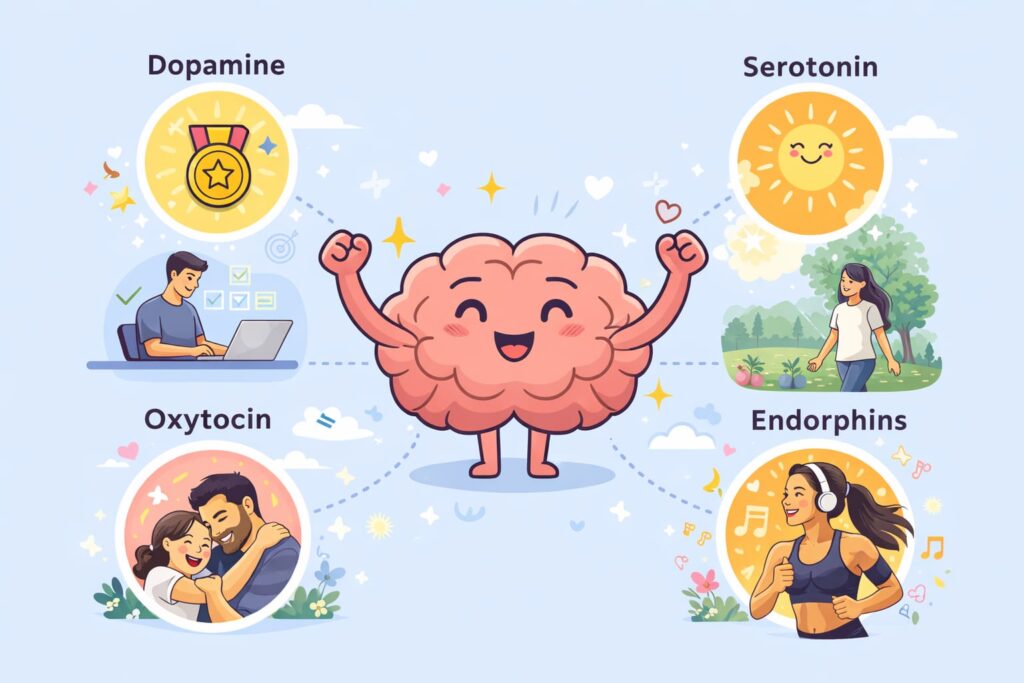
    Feel-good hormones are natural chemicals released by our brain and body. They influence our mood, emotions, motivation, bonding, and overall well-being. When they are balanced, we feel calm, joyful, connected, and energized.
    Let’s understand the four main feel-good hormones in a simple way.

    Dopamine – The Motivation Hormone
    Dopamine is the hormone of reward and motivation. It’s released when you achieve something — even small wins.
    How it makes you feel?
    👉🏿 Motivated
    👉🏿 Focused
    👉🏿 Confident
    👉🏿 Proud of yourself
    Dopamine is released when you:
    👉🏿 Complete a task
    👉🏿 Achieve a goal
    👉🏿 Learn something new
    👉🏿 Tick off your to-do list


    ✨ Tip: Break big goals into small steps — every small success boosts dopamine.

    Serotonin – The Mood Stabilizer
    Serotonin helps regulate mood, emotions, sleep, and digestion. Balanced serotonin makes you feel stable and emotionally safe.
    How it makes you feel:
    👉🏿 Calm
    👉🏿 Content
    👉🏿 Emotionally balanced
    👉🏿 Positive
    Serotonin increases when you:
    👉🏿 Spend time in sunlight
    👉🏿 Practice gratitude
    👉🏿 Go for a walk in nature
    👉🏿 Maintain healthy routines


    ✨ Tip: Morning sunlight and regular meals naturally support serotonin.

    Oxytocin – The Love & Bonding Hormone
    Oxytocin is known as the love hormone. It strengthens emotional bonds and trust.
    How it makes you feel:
    👉🏿 Loved
    👉🏿 Safe
    👉🏿 Connected
    👉🏿 Relaxed
    Oxytocin is released when you:
    👉🏿 Hug someone
    👉🏿 Spend quality time with loved ones
    👉🏿 Receive emotional support
    👉🏿 Practice kindness

    ✨ Tip: Even a warm conversation or self-compassion can release oxytocin.

    Endorphins – The Natural Pain Relievers
    Endorphins are your body’s natural painkillers. They help reduce stress and discomfort while boosting joy.
    How it makes you feel:
    👉🏿 Energized
    👉🏿 Light-hearted
    👉🏿 Relaxed
    👉🏿 Strong
    Endorphins increase when you:
    👉🏿 Exercise
    👉🏿 Laugh
    👉🏿 Dance
    👉🏿 Listen to music you love
    ✨ Tip: You don’t need intense workouts — even gentle movement helps.

    Why Feel-Good Hormones Matter?
    When these hormones work in harmony, they:
    👉🏿 Reduce stress and anxiety
    👉🏿 Improve mental clarity
    👉🏿 Support emotional healing
    👉🏿 Strengthen mind-body balance
    Low levels may lead to low mood, fatigue, lack of motivation, or emotional imbalance — which is why nurturing them daily is important.

    Simple Daily Habits to Boost Feel-Good Hormones
    You don’t need drastic changes. Try small steps:
    🌞 Get sunlight daily
    🚶 Move your body gently
    🧘 Practice mindfulness or prayer
    💬 Connect with people
    ✍️ Practice gratitude
    🎶 Enjoy music or creative activities

    Final Thought
    Your body already knows how to heal and feel good.
    Feel-good hormones are gentle reminders that joy, calm, and connection are natural states — not luxuries. By supporting these hormones, you’re not forcing happiness —
    you’re simply allowing your body to do what it’s designed to do 💛.

  • How to correct reverse breathing?

    How to correct reverse breathing?

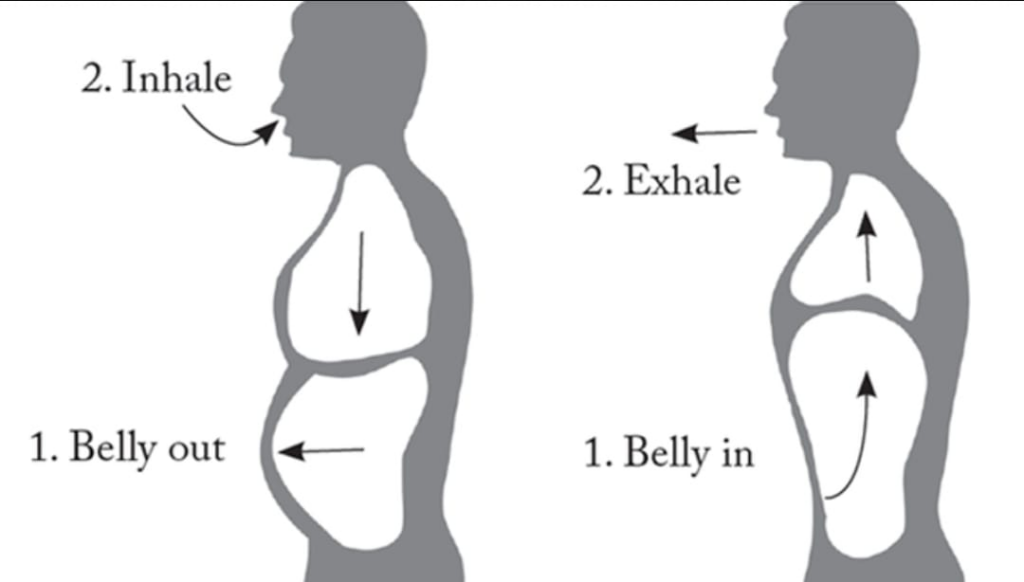
    Reverse breathing is a dysfunctional breathing pattern where the abdomen pulls inward during inhalation and pushes outward during exhalation—the opposite of natural diaphragmatic breathing.
    Many people are unaware they breathe this way because it often develops gradually, especially during prolonged stress, anxiety, chronic pain, or trauma. Over time, the body “forgets” its natural breathing rhythm.

    Why Does Reverse Breathing Happen?
    Reverse breathing is commonly associated with:

    • Chronic stress or anxiety
    • Constant tension in the abdominal muscles
    • Poor posture or prolonged sitting
    • Past illness, surgery, or pain patterns
    • Habitual breath-holding
      When the nervous system stays in survival mode, the diaphragm becomes restricted, and breathing shifts upward into the chest.

    How Reverse Breathing Affects the Body
    This pattern can quietly strain the system and may lead to:

    • Persistent fatigue
    • Shortness of breath
    • Tightness in the chest or throat
    • Digestive discomfort
    • Heightened anxiety or panic sensations
    • Poor oxygen exchange
      The body remains in a state of alertness rather than relaxation and healing.

    How to Check if You’re Reverse Breathing
    A simple awareness test:

    1. Place one hand on your chest and one on your abdomen
    2. Inhale gently through your nose
    3. Notice what moves
      If your abdomen pulls in or stays rigid while inhaling, you may be practicing reverse breathing.
      Remember—this is not a diagnosis, only an observation.

    A Simple Method to Correct Reverse Breathing
    Correction begins with gentle retraining, not force.

    Step-by-Step Practice:

    1. Sit or lie down comfortably
    2. Place both hands on your lower abdomen
    3. Inhale slowly through the nose
    4. Allow the belly to soften and expand
    5. Imagine the breath moving downward
    6. Exhale slowly through the nose
    7. Let the abdomen naturally fall inward.(Do not push or tighten)
    8. Keep the breath slow, quiet, and relaxed
      Practice for 5 minutes, once or twice daily.

    Initially, the movement may feel unfamiliar—that’s normal.

    Important Guidelines

    • Do not force the abdomen outward
    • Keep the chest, shoulders, and jaw relaxed
    • Focus on softness rather than control
    • Progress gradually
      The goal is to restore the body’s natural rhythm, not to “fix” it aggressively.

    Supporting Habits That Help
    To reinforce healthy breathing patterns:

    • Practice nasal breathing
    • Improve posture, especially spinal alignment
    • Take short breathing pauses during the day
    • Reduce habitual abdominal gripping
    • Spend time in relaxed, mindful states

    When to Be Patient With Yourself
    Reverse breathing often reflects long-standing stress patterns. It corrects best with kindness, consistency, and safety signals to the nervous system.
    Healing breathing is less about effort and more about allowing the body to remember.

    Disclaimer:
    The information provided in this blog is for educational purposes only and does not constitute medical advice. Breathing techniques may not be suitable for everyone. If you are pregnant, have respiratory or cardiovascular conditions, or are under medical care, please consult your healthcare provider before practicing any breathing exercises.

  • The Art of Proper Breathing: A Simple Practice for Better Health

    The Art of Proper Breathing: A Simple Practice for Better Health

    Breathing is the most natural thing we do—yet very few of us do it properly.
    In today’s fast-paced world, stress, anxiety, poor posture, and constant screen use have changed the way we breathe. Shallow, rapid breathing has become the norm, often without us even noticing. But when we learn to breathe correctly, it can positively impact our physical health, emotional balance, and overall well-being.

    Why Proper Breathing Matters?
    Breathing is not just about oxygen intake. It directly influences:

    • The nervous system
    • Heart rate and blood pressure
    • Digestion and metabolism
    • Emotional regulation
    • Energy levels and mental clarity
      When breathing is shallow, the body stays in a constant “fight or flight” mode. Proper breathing helps activate the parasympathetic nervous system, which supports rest, healing, and regeneration.

    Common Breathing Mistakes
    Many people unknowingly practice poor breathing habits, such as:

    • Chest breathing instead of belly breathing
    • Holding the breath during stress or concentration
    • Breathing too fast
    • Mouth breathing instead of nasal breathing
      Over time, these patterns can contribute to fatigue, anxiety, dizziness, digestive issues, and reduced stamina.

    What Is Proper Breathing?
    Proper breathing is slow, deep, and rhythmic, using the diaphragm rather than just the chest.
    Key characteristics of healthy breathing:

    • Breath flows mainly through the nose
    • The abdomen gently expands on inhalation
    • Exhalation is relaxed and slightly longer than inhalation
    • Breathing feels effortless and quiet
      This type of breathing improves oxygen exchange and signals safety to the body.

    The Role of Diaphragmatic (Belly) Breathing
    The diaphragm is the primary muscle of respiration. When used correctly:

    • Lungs fill more efficiently
    • Oxygen delivery improves
    • Stress hormones reduce
    • Posture and core stability improve

    Placing one hand on the chest and one on the abdomen can help you notice your breathing pattern. Ideally, the abdominal hand should move more than the chest hand.

    Benefits of Practicing Proper Breathing
    With consistent practice, proper breathing can:

    • Reduce anxiety and panic symptoms
    • Improve sleep quality
    • Support heart and lung health
    • Enhance digestion
    • Increase energy and focus
    • Promote emotional balance
      It is one of the simplest yet most powerful self-healing tools available.

    A Simple Breathing Practice to Start With

    Try this gentle exercise:

    • Sit or lie down comfortably
    • Close your eyes and relax your shoulders
    • Inhale slowly through the nose for 4 counts
    • Allow your belly to rise naturally
    • Exhale through the nose for 6 counts
    • Repeat for 5–10 minutes
      Practice once or twice daily, especially during moments of stress.

    Breathing as a Daily Awareness Practice
    Proper breathing is not only a technique—it’s a lifestyle habit. Bringing awareness to your breath during daily activities like walking, working, or resting can create profound changes over time.

    The breath is always with us. When we learn to use it wisely, it becomes a constant source of support, calm, and healing.

    Final Thoughts
    You don’t need expensive tools or complicated routines to improve your health. Sometimes, the most powerful healing begins with something as simple as learning how to breathe properly.
    Slow down. Breathe deeply. Let your body remember how to heal.