Tag: wellness

  • “Lessons from a Little Swimmer: The Spiritual Teachings of a Guppy Fish”

    “Lessons from a Little Swimmer: The Spiritual Teachings of a Guppy Fish”

    In the quiet world beneath the water’s surface, a tiny guppy fish swims with effortless grace. Small, colorful, and often overlooked, the guppy carries powerful life lessons for those who are willing to observe.

    At Zaya Wellness, we believe that wisdom does not always come from grand experiences. Sometimes, the most profound spiritual teachings emerge from the simplest forms of life. The guppy fish is one such silent teacher.

    Let us explore the deeper meaning behind this tiny swimmer.


    1. Flow with Life, Don’t Fight It

    A guppy does not resist the current. It adapts. It moves with the water, conserving energy and trusting its environment.

    In our human lives, we often exhaust ourselves resisting situations we cannot control. Stress, anxiety, and frustration arise when we fight against life’s natural flow.

    The guppy teaches us acceptance.

    This does not mean giving up. It means understanding when to swim forward and when to move gently with the current. When we align with life instead of resisting it, we experience greater peace and clarity.

    At Zaya Wellness, we guide you toward this inner flow — where effort becomes ease and resistance transforms into resilience.


    2. Small Size, Big Presence

    Despite its small size, the guppy shines with vibrant colors. It does not shrink itself because it is small.

    In a world that glorifies “big” achievements and loud success, the guppy reminds us that significance is not about size. It is about presence.

    You do not need to dominate a room to matter.
    You do not need grand recognition to have value.
    You do not need to be loud to be powerful.

    True strength is quiet confidence.

    At Zaya Wellness, we encourage you to embrace your uniqueness — your colors, your individuality, your authentic self.


    3. Adaptability is Survival

    Guppies are known for their ability to survive and adapt in changing environments. They adjust quickly and continue to thrive.

    Life constantly changes — relationships evolve, careers shift, health fluctuates. Those who cling rigidly to the past struggle. Those who adapt grow.

    Philosophically, adaptability is not weakness. It is wisdom.

    The guppy teaches us flexibility of mind and openness of heart. When we remain adaptable, we remain alive — not just physically, but emotionally and spiritually.


    4. Community Over Isolation

    Guppies rarely swim alone. They live in groups, finding safety and strength in community.

    Humans, too, are not meant to walk alone.

    In modern life, isolation has become common. We often believe independence means detachment. But true wellness comes from connection — to others, to nature, and to ourselves.

    At Zaya Wellness, we nurture community healing. Because just like the guppy, we thrive together.


    5. Live Lightly, Live Fully

    A guppy does not carry emotional baggage. It does not overthink yesterday’s current or tomorrow’s water.

    It lives fully in the present moment.

    This is perhaps its greatest teaching.

    Many of our struggles come from dwelling in the past or worrying about the future. Mindfulness — living in the present — brings freedom.

    The guppy swims in now.

    And when we live in the present moment, we discover joy in simplicity.


    The Deeper Spiritual Meaning

    Philosophically, the guppy represents:

    • Flow
    • Adaptability
    • Authentic self-expression
    • Community connection
    • Mindful presence

    It reminds us that spiritual growth does not always require dramatic transformation. Sometimes it requires gentle observation and humble awareness.

    Even the smallest creature carries cosmic intelligence.


    Final Reflection from Zaya Wellness

    At Zaya Wellness, we believe nature is one of our greatest teachers. The guppy fish may be small, but its wisdom is vast.

    When you feel overwhelmed, imagine yourself as a guppy:

    • Move with grace.
    • Shine in your own colors.
    • Adapt to change.
    • Stay connected.
    • Live in the present.

    True wellness is not about becoming bigger.
    It is about becoming aligned.

    And sometimes, the tiniest swimmer shows us the deepest truths.

  • Fly Above the Storm: The Power of Attitude in Overcoming Life’s Problems

    Fly Above the Storm: The Power of Attitude in Overcoming Life’s Problems

    “All birds find shelter during a rain. But the eagle avoids rain by flying above the clouds. Problems are common, but attitude makes the difference!” – A. P. J. Abdul Kalam

    At Zaya Wellness, we believe that life’s challenges are not meant to break you — they are meant to elevate you. This powerful quote by Dr. A.P.J. Abdul Kalam beautifully reminds us that while problems are a natural part of life, the way we respond to them defines our growth.

    Let us explore the deeper meaning behind this inspiring thought and how it can transform your mindset.


    🌧 Problems Are Universal

    Just like rain falls on every bird, problems come into every life.

    No one is completely free from:

    • Stress
    • Failure
    • Disappointment
    • Financial struggles
    • Emotional pain

    Many people spend their energy trying to escape problems or hide from them. They look for shelter, just like birds hiding under trees during rain.

    But what if there is another way?


    🦅 The Eagle Mindset: Rise Above

    The eagle does not fight the rain. It does not complain about the storm. Instead, it spreads its wings and rises above the clouds — where the storm cannot reach it.

    This is the mindset Dr. Kalam encourages us to adopt.

    At Zaya Wellness, we teach that attitude is your inner power. When you choose to rise above negativity instead of reacting to it, you gain strength.

    The difference lies in:

    • Reaction vs. Response
    • Fear vs. Courage
    • Complaining vs. Learning
    • Staying stuck vs. Growing stronger

    💡 Why Attitude Makes the Difference

    Your attitude shapes your reality.

    Two people may face the same difficulty:

    • One sees it as a disaster.
    • The other sees it as a lesson.

    The situation is the same. The mindset is different.

    A positive attitude does not mean ignoring pain. It means trusting that the storm will pass — and you will emerge stronger.

    When you change your attitude:

    • You reduce stress.
    • You improve emotional health.
    • You build resilience.
    • You increase confidence.
    • You grow spiritually.

    This is the foundation of emotional wellness and mental strength.


    🌿 How to Develop the Eagle Attitude

    At Zaya Wellness, we suggest simple yet powerful practices to help you rise above your challenges.

    1️⃣ Practice Self-Awareness

    Notice your thoughts during difficult moments. Are you reacting with fear or responding with calmness?

    2️⃣ Shift Your Perspective

    Ask yourself: What is this situation teaching me?

    3️⃣ Strengthen Your Inner Peace

    Through meditation, breathwork, or mindful silence, you build the ability to stay steady during storms.

    4️⃣ Focus on Growth

    Every problem carries hidden strength within it. Choose growth over comfort.


    🌈 Storms Don’t Last Forever

    Rain eventually stops. Clouds eventually clear.

    The eagle knows this.

    Similarly, your challenges are temporary. What remains permanent is the strength you build while facing them.

    When you choose courage over fear, positivity over negativity, and growth over comfort, you are already flying above your storm.


    ✨ Final Reflection from Zaya Wellness

    Life will always have rain. The question is — will you look for shelter, or will you rise above the clouds?

    At Zaya Wellness, we encourage you to embrace the eagle mindset. Your problems do not define you. Your attitude does.

    Spread your wings.
    Rise higher.
    Fly above the storm. 🌿

  • “Just Miss!” – When Almost Hurts More Than Failure

    “Just Miss!” – When Almost Hurts More Than Failure

    Have you ever said, “I just missed it…”?

    Just missed the promotion.
    Just missed the train.
    Just missed the opportunity.
    Just missed the relationship working out.

    At Zaya Wellness, we often meet people who are not broken by failure — they are disturbed by almost. That tiny gap between success and loss can feel heavier than a complete setback.

    But what if “Just Miss” is not rejection… but redirection?


    Why “Just Miss” Hurts So Much

    When we completely fail, we somehow accept it. But when we almost succeed, our mind keeps replaying the moment:

    • “If I had tried a little harder…”
    • “If I had said one more thing…”
    • “If I had reached five minutes earlier…”

    This creates guilt, regret, and self-doubt.

    Psychologically, near-misses activate strong emotional responses because we feel the goal was within reach. It feels personal. It feels unfair. It feels unfinished.

    But here is a powerful truth:

    Sometimes, “just miss” is life’s protection.


    The Hidden Gift Behind “Almost”

    Many times, what we think we missed was never meant to stay.

    You just missed a job — maybe a better one is aligning.
    You just missed a relationship — maybe it saved you from long-term pain.
    You just missed a deal — maybe your energy was meant elsewhere.

    At Zaya Wellness, we guide our clients to shift their thinking from:

    “Why did this happen to me?”
    to
    “What is this trying to teach me?”

    When we pause and reflect, near-misses often reveal hidden blessings.


    The Emotional Impact of Near Misses

    A “just miss” moment can create:

    • Anxiety
    • Overthinking
    • Loss of confidence
    • Fear of trying again
    • Emotional exhaustion

    If not processed properly, it can slowly reduce self-belief.

    That is why emotional awareness and self-regulation are important. When we learn to manage disappointment in a healthy way, we build resilience.


    How to Handle a “Just Miss” Moment

    Here are simple steps we recommend at Zaya Wellness:

    1. Pause Before Reacting

    Do not immediately label it as failure. Give yourself space to breathe.

    2. Avoid Self-Blame

    Missing something does not mean you are incapable. It simply means timing or alignment was different.

    3. Ask Better Questions

    Instead of “Why me?”, ask:

    • What can I learn from this?
    • How can I improve?
    • What new direction is opening?

    4. Trust Timing

    Life is not a straight line. Sometimes delays create better destinations.

    5. Strengthen Emotional Balance

    Meditation, mindful breathing, journaling, or energy healing practices can help you process disappointment without internal damage.


    Reframing “Just Miss”

    What if “Just Miss” actually means:

    • Just Move In a New Space
    • Just Make Inner Shift
    • Just Meet Intended Situation

    When we change the meaning, we change the emotional impact.

    Remember: A missed train does not mean you are lost. It simply means your journey will take a slightly different route.


    From Almost to Alignment

    At Zaya Wellness, we believe that growth is not about winning every time. It is about trusting life even when things don’t go exactly as planned.

    Sometimes what feels like a loss is simply life adjusting your path.

    Your “just miss” today may be your “thank God” tomorrow.


    Final Thought

    The next time you whisper, “I just missed…”, pause and add one more sentence:

    “…maybe something better is waiting.”

    Because in the bigger picture of life, nothing truly meant for you will ever miss you.

  • Everything in Life Comes with a Price Tag – What Are You Really Paying For?

    Everything in Life Comes with a Price Tag – What Are You Really Paying For?

    In life, nothing is truly free.

    Every choice we make, every habit we build, every relationship we nurture — comes with a price tag. The real question is not “Is there a price?” but “What am I paying with?”

    At Zaya Wellness, we often remind our clients that the price tag of life is not always money. Sometimes, it is time. Sometimes, it is peace of mind. Sometimes, it is health. And sometimes, it is self-respect.

    Let us explore what this really means.


    The Hidden Cost of Success

    Success looks glamorous from the outside. A thriving career, recognition, achievements — they all shine brightly. But behind every successful person, there are sacrifices.

    Late nights. Missed family time. Stress. Pressure.

    Success has a price tag.
    The question is — are you paying consciously or unconsciously?

    If you are chasing success but losing your mental peace, the price may be too high. At Zaya Wellness, we guide individuals to build success without burning out. Growth should not cost your health.


    The Price of Comfort

    Comfort feels safe. Staying in your routine, avoiding risks, not stepping out of your comfort zone — it feels easy.

    But comfort also has a price.

    The price is missed opportunities.
    The price is stagnation.
    The price is unrealized potential.

    When we avoid change, we may protect ourselves from temporary discomfort, but we also delay growth. True transformation begins when we are willing to invest effort and courage.


    The Cost of Relationships

    Love, friendship, family — all beautiful bonds. But they also require investment.

    Healthy relationships cost:

    • Time
    • Patience
    • Emotional maturity
    • Honest communication

    If we are not willing to invest these, we pay another price — misunderstandings, distance, loneliness.

    At Zaya Wellness, we help individuals understand that emotional responsibility is part of the price tag of meaningful connections.


    The Price of Ignoring Health

    This is one of the most expensive price tags in life.

    When we ignore sleep, stress, nutrition, or emotional well-being, the cost eventually shows up — in the body and mind.

    We may save time today by skipping exercise or suppressing emotions, but tomorrow we might pay through fatigue, anxiety, or illness.

    Health is not an expense.
    It is an investment that reduces future cost.


    The Price of Peace

    Inner peace requires discipline.

    It costs:

    • Letting go of ego
    • Forgiveness
    • Setting boundaries
    • Saying “no” when needed

    Many people say they want peace, but they are not ready to pay its price. They hold onto anger, comparison, and resentment — and unknowingly pay with their happiness.

    At Zaya Wellness, we teach that peace is not passive. It is an active choice.


    Conscious Payment vs. Unconscious Payment

    The real wisdom lies in this:

    You will always pay something.
    But you can choose what you want to pay.

    Would you rather:

    • Pay effort now or regret later?
    • Pay discipline now or disease later?
    • Pay courage now or frustration later?

    Conscious decisions reduce emotional suffering.


    A Gentle Reflection

    Ask yourself today:

    • What am I currently paying for my lifestyle?
    • Is the price aligned with my values?
    • Am I investing in long-term well-being or short-term comfort?

    When your payments align with your purpose, life feels lighter.


    Final Thoughts from Zaya Wellness

    Everything in life comes with a price tag. But remember — you are the one holding the wallet.

    Spend wisely.

    Invest in your health.
    Invest in your growth.
    Invest in relationships that nourish you.
    Invest in inner peace.

    Because in the end, the most expensive thing in life is regret.

    At Zaya Wellness, we believe in conscious living — where every choice is an investment in a healthier, calmer, and more fulfilled you.

  • Surya Namaskar: A Complete Guide to Sun Salutation for Mind, Body & Soul

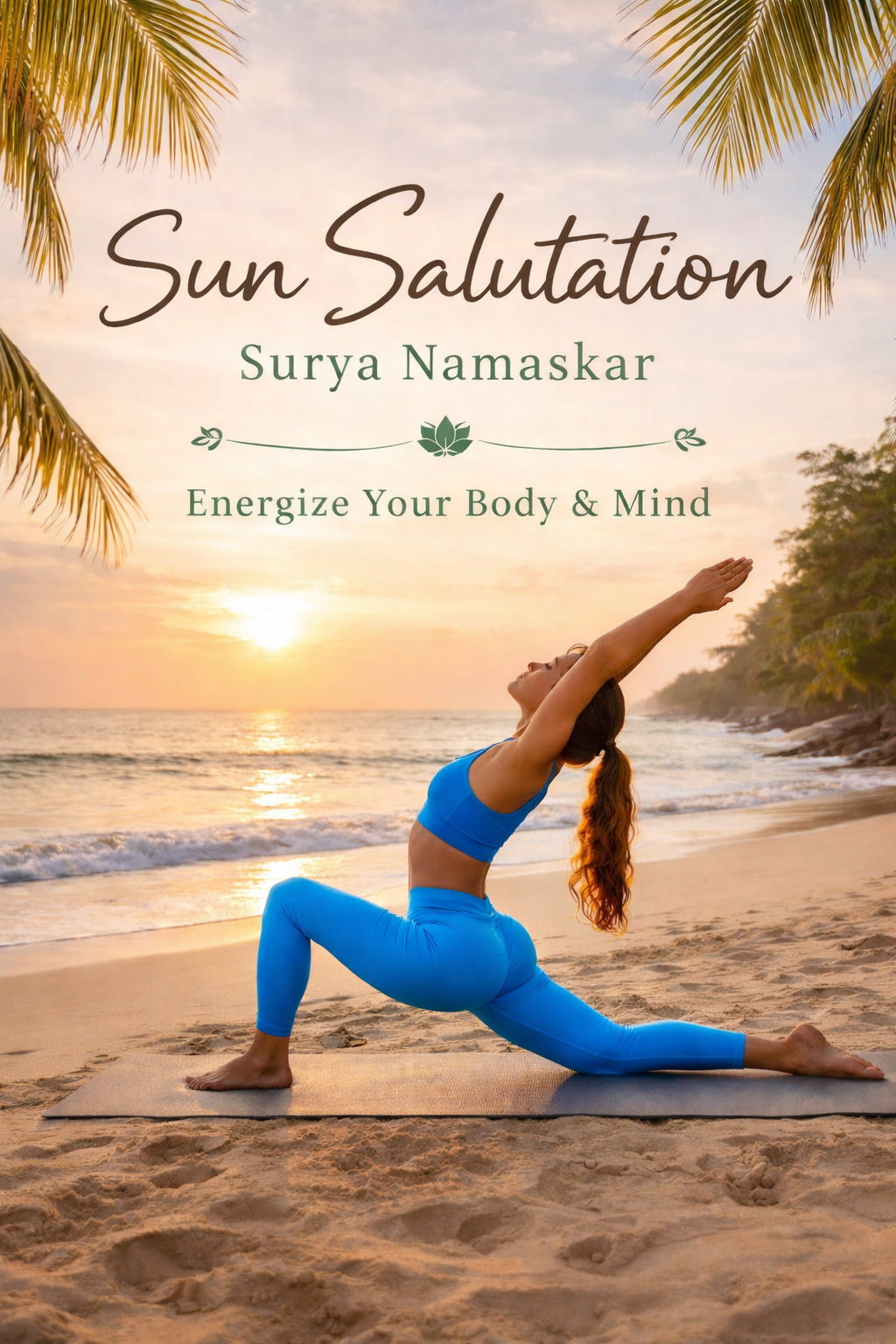
    Surya Namaskar: A Complete Guide to Sun Salutation for Mind, Body & Soul

    At Zaya Wellness, we believe that healing begins with simple, mindful practices. One such powerful practice is Sun Salutation, traditionally known as Surya Namaskar.

    More than just a yoga routine, Sun Salutation is a moving meditation that connects your body, breath, and inner energy.

    In this blog, we will explore the meaning, benefits, steps, and spiritual depth of Sun Salutation in simple language — so you can begin your practice with confidence.


    What is Sun Salutation (Surya Namaskar)?

    Sun Salutation is a sequence of 12 yoga poses performed in a smooth flow. It is traditionally practiced at sunrise to honor the life-giving energy of the sun.

    The word Surya means “Sun,” and Namaskar means “to bow down with respect.”

    At Zaya Wellness, we see Sun Salutation as a way of saying thank you to life itself — through movement, breath, and awareness.


    The 12 Steps of Surya Namaskar

    Here is a simplified breakdown of the traditional 12 poses:

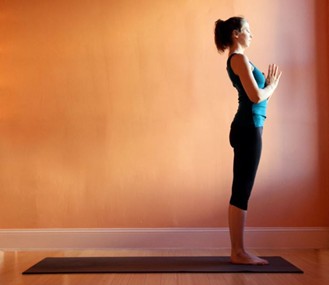
    1: Prayer Pose (Pranamasana)

    1. Keep your feet close together as you stand at the edge (in the front as you see in the picture above) of the mat and place equal weight on each foot.
    2. Just relax your shoulders while opening your chest.
    3. Take a deep breath in and raise both of your arms from the sides.
    4. Exhale and place your palms together in front of your chest in a prayer position.

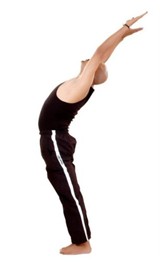
    2 Raised Arms Pose (Hastha Uthanasana)

    1. Inhale deeply as you raise your arms to your back.
    2. Make sure your biceps are in close proximity to your ears.
    3. Stretch your entire body, starting from your heels and moving up to your fingertip tips.

    3: Standing forward bend (Padha hasthasana)

    1. Exhale, then lean forward from the waist while maintaining a straight spine.
    2. Bring your hands to the floor next to your feet as you fully exhale.

    4: Equestrian Pose (Ashwa sanchalanasana)

    1. Take a deep breath and move your right leg as far back as you can.
    2. Slowly gaze up while lowering your right knee to the floor.

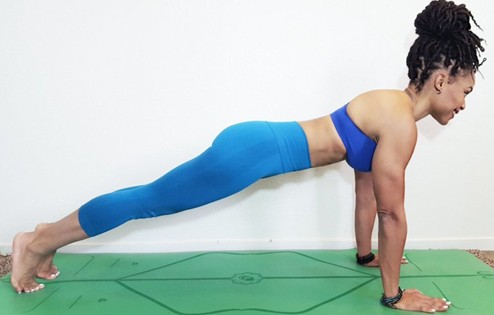
    5: Plank pose (Phalakasana)

    1. Take a deep breath in and raise your left leg.
    2. Your entire body should be in a straight line.

    6: Salute with 8 parts pose (Ashtanga namaskara)

    1. Exhale after gradually lowering your knees to the ground.
    2. Gently glide forward while pulling your hips back.
    3. Put your chin and chest at ease on the ground.
    4. Raise your buttocks a little bit.

    7: Cobra Pose (Bhujangasana)

    1. Move forwards while lifting your chest.
    2. In this position, keep your elbows fixed and bent.
    3. Maintain a shoulder-to-ear distance.
    4. Look up slowly.

    8: Mountain Pose (Parvatasana)

    1. Take a deep breath out and raise your hips and tailbone.
    2. Make an inverted V position by lowering your chest.

    Repeat the sequence in reverse to complete one round.

    9: Equestrian Pose (Ashwa sanchalanasana)

    10: Standing forward bend (Padha hasthasana)

    11:  Raised Arms Pose (Hastha Uthanasana)

    12: Prayer Pose (Pranamasana)

    Each movement is connected with inhaling or exhaling. This combination of breath and movement makes Sun Salutation a complete yoga practice.


    Benefits of Sun Salutation

    🌿 Physical Benefits

    • Improves flexibility and posture
    • Strengthens muscles and joints
    • Boosts metabolism
    • Supports weight management
    • Improves blood circulation

    🌿 Mental Benefits

    • Reduces stress and anxiety
    • Enhances focus and clarity
    • Balances mood
    • Improves sleep quality

    🌿 Spiritual Benefits

    • Awakens inner energy
    • Activates the solar plexus (Manipura chakra)
    • Builds gratitude and mindfulness
    • Deepens self-connection

    At Zaya Wellness, we often say:
    “If you don’t have time for a long workout, give yourself 10 minutes of Sun Salutation — your body will thank you.”


    Why Practice Sun Salutation in the Morning?

    Morning practice aligns your body with natural rhythms. The rising sun symbolizes new beginnings, positivity, and vitality.

    Practicing Surya Namaskar at sunrise can:

    • Increase energy levels naturally
    • Improve digestion throughout the day
    • Create mental clarity
    • Set a positive tone for your day

    However, you can practice it anytime — consistency matters more than timing.


    How Many Rounds Should You Do?

    • Beginners: 3–5 rounds
    • Intermediate: 6–12 rounds
    • Advanced: 12+ rounds

    Always listen to your body. Sun Salutation should energize you, not exhaust you.


    Sun Salutation as Moving Meditation

    Many people see Surya Namaskar only as physical exercise. But at Zaya Wellness, we teach it as a moving prayer.

    When you:

    • Breathe consciously
    • Move slowly
    • Stay present

    Sun Salutation becomes a powerful meditation.

    You are not just stretching muscles — you are awakening awareness.


    Tips for Beginners

    ✔ Practice on an empty stomach
    ✔ Use a yoga mat
    ✔ Move with your breath
    ✔ Do not rush
    ✔ Modify poses if needed
    ✔ End with a short relaxation (Shavasana)

    If you have medical conditions like back pain, high blood pressure, or pregnancy, consult a qualified yoga instructor before starting.


    Final Thoughts: Greet the Sun Within You

    The sun shines outside — but there is also a sun within you.

    When you practice Surya Namaskar regularly, you begin to feel stronger, calmer, and more balanced. It becomes more than exercise — it becomes self-care.

    At Zaya Wellness, we invite you to begin your day with gratitude, breath, and movement.

    Start with just one round tomorrow morning.

    Let your body bow to the light — and let your soul rise with it. 🌞

  • Healing a Broken Heart: A Gentle Journey Back to Yourself

    Healing a Broken Heart: A Gentle Journey Back to Yourself

    Heartbreak hurts. Whether it comes from a breakup, betrayal, loss, or disappointment, a broken heart can feel heavy, confusing, and overwhelming. It affects not only your emotions but also your sleep, appetite, focus, and even your physical health.

    At Zaya Wellness, we understand that healing a broken heart is not about “moving on quickly.” It is about moving inward gently. True healing takes time, awareness, and self-compassion.

    Let us walk through this journey together.


    What Does It Mean to Have a Broken Heart?

    A broken heart is more than emotional pain. It can feel like:

    • Tightness in the chest
    • Constant overthinking
    • Sudden waves of sadness
    • Loss of interest in daily life
    • Feeling rejected or not enough

    When love or attachment ends, the mind struggles to accept the change. The body reacts as if it has lost something deeply important — because it has.

    But here is the truth: your heart is not weak. It is wounded. And wounds can heal.


    Step 1: Allow Yourself to Feel

    Many people try to distract themselves immediately. They stay busy, avoid emotions, or pretend to be strong.

    At Zaya Wellness, we encourage emotional honesty.

    Healing begins when you allow yourself to:

    • Cry without guilt
    • Feel anger without shame
    • Sit with sadness without rushing it away

    Suppressing emotions delays healing. Expressing them safely helps release them.


    Step 2: Stop Blaming Yourself

    After heartbreak, the mind keeps replaying memories:

    • “What if I had done this differently?”
    • “Was I not good enough?”
    • “Why did this happen to me?”

    Self-blame deepens emotional wounds.

    Instead, gently remind yourself:

    • Every relationship teaches something.
    • Not all connections are meant to last forever.
    • Your worth does not decrease because someone left.

    At Zaya Wellness, we help individuals shift from self-criticism to self-understanding.


    Step 3: Reconnect With Yourself

    Often, when we love someone deeply, we lose parts of ourselves.

    Healing a broken heart is also about rediscovering:

    • Your passions
    • Your hobbies
    • Your friendships
    • Your dreams

    Ask yourself:

    • What did I enjoy before this relationship?
    • What makes me feel alive?
    • What small thing can I do today just for myself?

    Even simple self-care routines — walking, journaling, meditation — can slowly rebuild emotional strength.


    Step 4: Create Healthy Emotional Boundaries

    If possible, limit contact with the person who hurt you, at least temporarily. Constant communication reopens wounds.

    Boundaries are not punishment.
    They are protection.

    At Zaya Wellness, we guide individuals to build emotional boundaries that protect their peace while honoring their feelings.


    Step 5: Understand That Healing Is Not Linear

    Some days you will feel strong.
    Some days you will miss them deeply.
    Both are normal.

    Healing a broken heart does not follow a straight line. It moves in waves. The key is patience.

    With time, intensity reduces. What once felt unbearable slowly becomes manageable.


    The Spiritual Side of Heartbreak

    Sometimes heartbreak is life’s way of redirecting you.

    Pain can:

    • Strengthen emotional maturity
    • Deepen self-awareness
    • Teach self-love
    • Prepare you for healthier connections

    At Zaya Wellness, we believe every emotional experience carries a lesson. When you shift from “Why did this happen?” to “What is this teaching me?” healing accelerates.


    When to Seek Support

    If your broken heart leads to:

    • Severe depression
    • Anxiety attacks
    • Loss of appetite for long periods
    • Insomnia
    • Feelings of hopelessness

    Please do not suffer alone.

    Seeking support is strength, not weakness.

    At Zaya Wellness, we offer emotional guidance and holistic healing practices to help you gently rebuild from within.


    A Gentle Reminder

    Your heart may feel broken today, but it is still capable of love.

    You are not damaged.
    You are transforming.

    One day, this pain will become a chapter — not the whole story.

    And when you look back, you will realize that the heartbreak did not destroy you.
    It shaped you.

  • When Panic Attacks: Understanding the Signs and Finding Calm Again

    When Panic Attacks: Understanding the Signs and Finding Calm Again

    At Zaya Wellness, we often meet individuals who say, “I thought I was dying,” when they describe their first panic attack. The experience can be frightening, confusing, and overwhelming. But the good news is — a panic attack is treatable, manageable, and you are not alone.

    In this article, let us understand what a panic attack really is, why it happens, and how you can gently regain control.


    What Is a Panic Attack?

    A panic attack is a sudden wave of intense fear or discomfort that peaks within minutes. It can happen unexpectedly, even when there is no clear danger.

    Common symptoms of a panic attack include:

    • Rapid heartbeat
    • Shortness of breath
    • Sweating
    • Shaking or trembling
    • Chest tightness
    • Dizziness
    • Feeling like you are losing control
    • Fear of dying

    These symptoms are very real. But it is important to know that a panic attack itself is not life-threatening.

    At Zaya Wellness, we remind our clients: Your body is reacting to perceived danger, not actual danger.


    Why Do Panic Attacks Happen?

    Panic attacks occur when the body’s “fight-or-flight” system becomes overactive.

    Triggers may include:

    • Chronic stress
    • Unresolved emotional trauma
    • Major life changes
    • Health anxiety
    • Overthinking or catastrophic thinking patterns

    Sometimes, panic attacks happen without any obvious trigger. This can make them even more confusing. But the root cause often lies in accumulated stress and suppressed emotions.


    Panic Attack vs Anxiety Attack

    Many people use these terms interchangeably, but they are slightly different.

    • Panic attacks are sudden and intense.
    • Anxiety usually builds gradually and is linked to a specific worry or stressor.

    Both need understanding, not judgment.


    What To Do During a Panic Attack

    At Zaya Wellness, we guide our clients with simple grounding techniques that help calm the nervous system.

    1. Focus on Your Breath

    Try this:

    • Inhale slowly for 4 seconds
    • Hold for 4 seconds
    • Exhale for 6 seconds

    Repeat gently. Your breath is your anchor.

    2. Ground Yourself

    Name:

    • 5 things you see
    • 4 things you feel
    • 3 things you hear
    • 2 things you smell
    • 1 thing you taste

    This brings your mind back to the present moment.

    3. Remind Yourself

    Say softly:
    “This is uncomfortable, but it will pass.”

    Because it will.


    Long-Term Healing From Panic Attacks

    Managing panic attacks is not only about handling the moment. It is about healing the root.

    At Zaya Wellness, we work on:

    • Emotional awareness
    • Nervous system regulation
    • Mindfulness practices
    • Breathwork
    • Lifestyle balance
    • Thought pattern restructuring

    When the nervous system feels safe consistently, panic attacks reduce in frequency and intensity.


    When Should You Seek Help?

    If panic attacks:

    • Occur frequently
    • Interfere with daily life
    • Make you avoid certain places
    • Cause ongoing fear of “the next attack”

    It is important to seek professional guidance.

    There is no shame in asking for help. In fact, it is a sign of strength.


    A Gentle Reminder

    A panic attack does not mean you are weak.
    It does not mean you are broken.
    It does not mean you are “losing your mind.”

    It means your nervous system is overwhelmed.

    And overwhelmed systems can heal.

    At Zaya Wellness, we believe healing begins with awareness, compassion, and the right support. If you or someone you love is struggling with panic attacks, know that recovery is possible — step by step, breath by breath.

  • Who Am I? A Spiritual Journey to Discover Your True Self

    Who Am I? A Spiritual Journey to Discover Your True Self

    In the rush of daily life, we often introduce ourselves by our name, profession, roles, or relationships.
    But have you ever paused and asked yourself — Who am I, really?

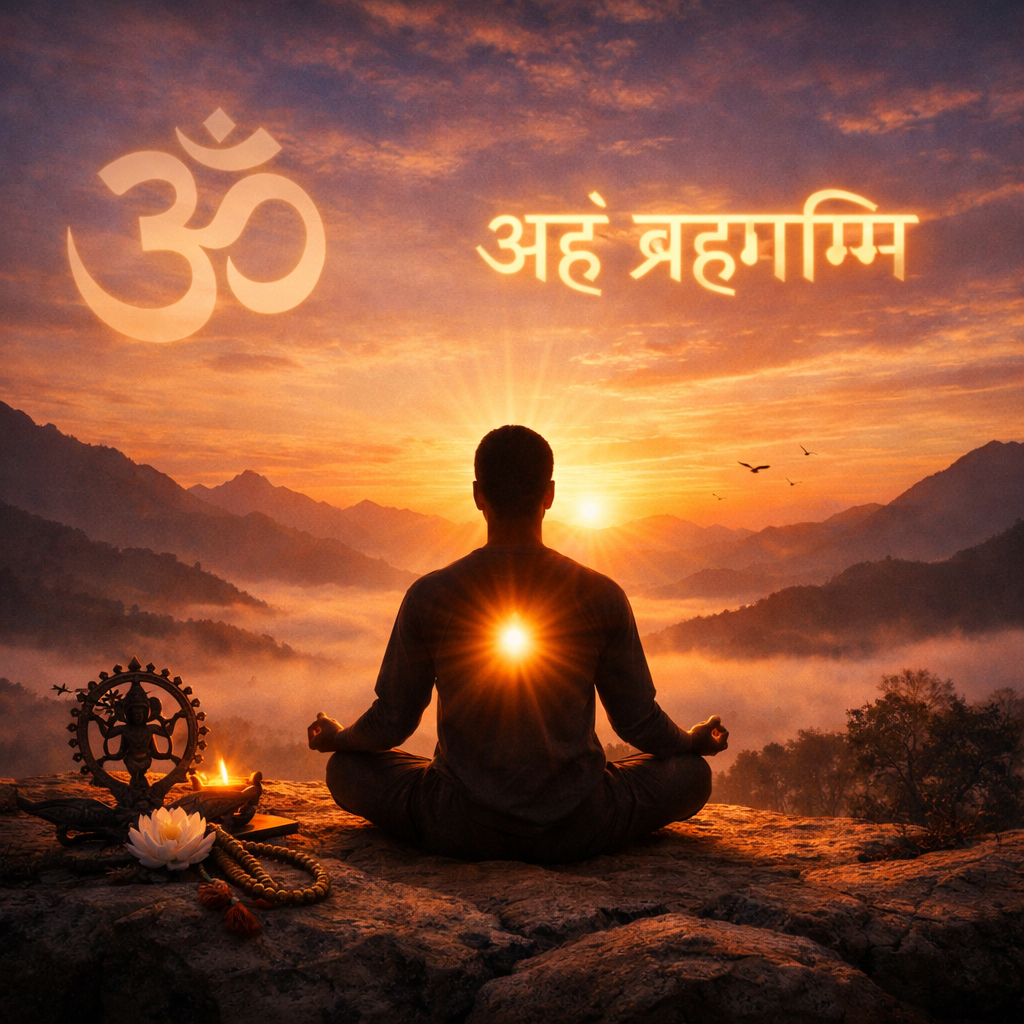
    At Zaya Wellness, we believe this is not just a philosophical question. It is the beginning of true spiritual awakening and inner peace.


    Why “Who Am I?” Is the Most Important Spiritual Question

    From ancient spiritual traditions to modern mindfulness practices, the question “Who am I?” has guided seekers toward self-realization.

    We usually identify ourselves as:

    • A body
    • A mind full of thoughts
    • A bundle of emotions
    • A personality shaped by experiences

    But is that all we are?

    Spiritual wisdom gently reminds us:
    You are not just your body.
    You are not just your thoughts.
    You are not your fears, success, or failures.

    You are something deeper. Something constant.


    Understanding the True Self

    Close your eyes for a moment.

    You can observe your thoughts.
    You can notice your emotions.
    You can feel your body.

    If you can observe them, that means you are separate from them.

    So who is the observer?

    In spiritual understanding, the real “You” is pure awareness — the silent witness behind every experience. It is the consciousness that remains unchanged, even as your life circumstances change.

    At Zaya Wellness, we call this your True Self — the peaceful, limitless presence within you.


    Why We Forget Who We Truly Are

    Life conditions us from childhood:

    • “Be successful.”
    • “Be strong.”
    • “Don’t show weakness.”
    • “This is who you are.”

    Over time, we build an identity based on labels and expectations. Slowly, we forget our natural state of peace and wholeness.

    Stress, anxiety, comparison, and self-doubt arise when we live only from this limited identity.

    Spiritual growth begins the moment we question it.


    How to Begin the Journey of Self-Discovery

    At Zaya Wellness, we guide individuals toward self-awareness through simple, practical steps:

    1. Practice Self-Inquiry

    Ask yourself gently:
    “Who is feeling this?”
    “Who is thinking this thought?”

    This shifts you from the mind to awareness.

    2. Embrace Silence

    Spending time in meditation allows you to experience the space beyond thoughts.

    3. Observe Without Judgment

    Instead of reacting, start observing your emotions. Awareness itself brings healing.

    4. Connect with Mindful Living

    When you live consciously — eating, walking, speaking with awareness — you reconnect with your inner self.


    What Happens When You Discover Who You Truly Are?

    When you realize your true nature:

    • Fear begins to dissolve
    • Inner peace becomes natural
    • You stop seeking validation
    • You respond instead of react
    • You feel connected to everything

    This realization is not about gaining something new.
    It is about remembering what you have always been.


    “Who Am I?” — The Answer Is Within

    The spiritual journey is not about becoming someone else.
    It is about uncovering your authentic self.

    You are not broken.
    You are not incomplete.
    You are awareness, peace, and presence itself.

    At Zaya Wellness, our mission is to help you reconnect with this truth — gently, compassionately, and practically.

    If this question resonates with you, perhaps your journey has already begun.


    Final Thoughts

    The question “Who am I?” is simple.
    But living the answer transforms your entire life.

    Take a deep breath.
    Sit in stillness.
    Listen within.

    The answer has always been there.

  • The Cosmic Dance: Awakening to the Rhythm of the Universe

    The Cosmic Dance: Awakening to the Rhythm of the Universe

    In the vast silence of the universe, there is movement. In stillness, there is rhythm. This eternal movement is what ancient wisdom calls The Cosmic Dance — a sacred expression of creation, preservation, and transformation.

    At Zaya Wellness, we believe spirituality is not separate from life. It flows through every breath, every heartbeat, and every experience. The idea of the Cosmic Dance beautifully reminds us that we are not isolated beings — we are part of a greater universal rhythm.


    What Is the Cosmic Dance?

    The Cosmic Dance symbolizes the continuous flow of energy in the universe. Everything is in motion — planets revolve, oceans rise and fall, seasons change, and even our thoughts move in cycles. This universal movement is not chaotic; it follows a divine rhythm.

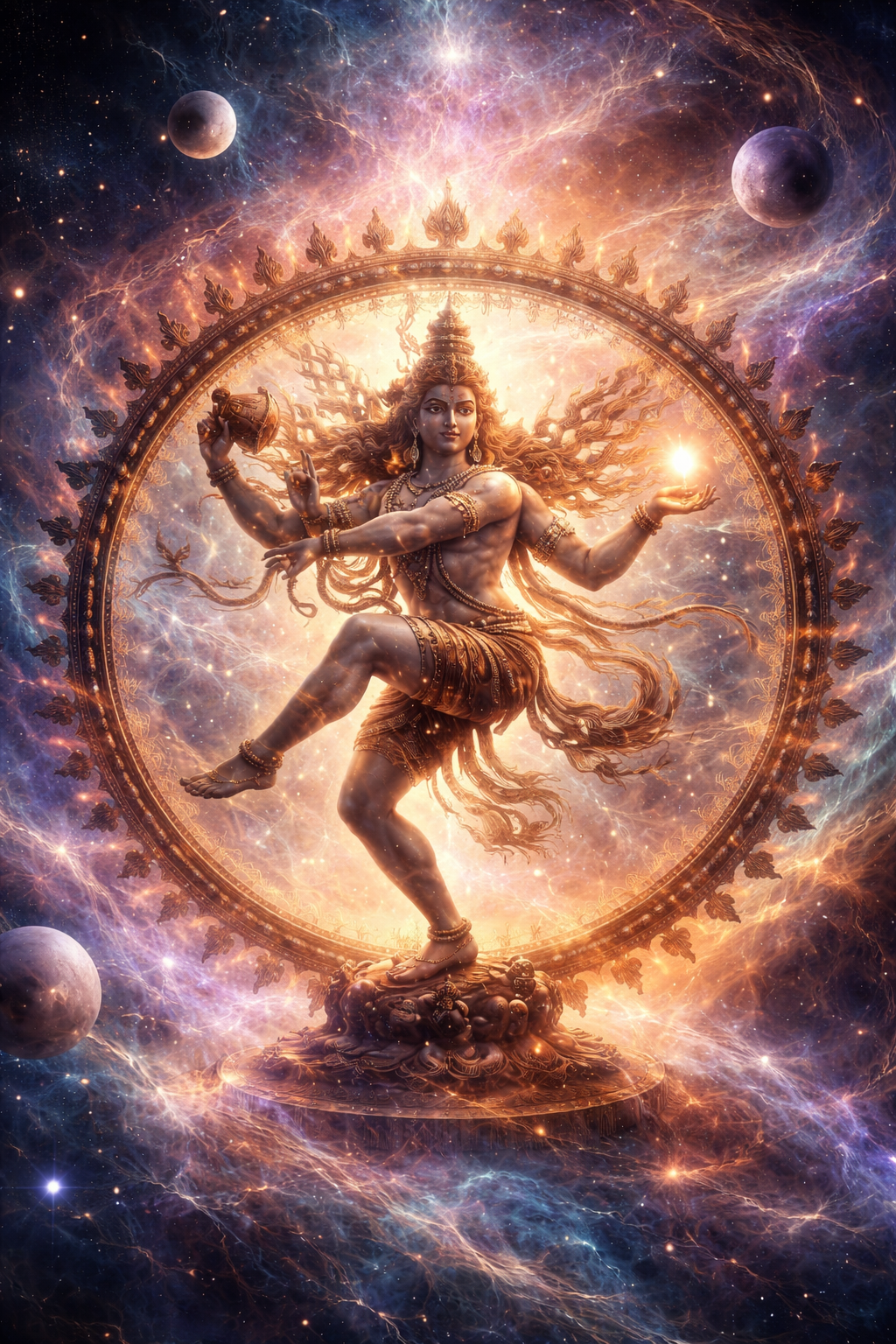
    In Hindu spiritual philosophy, the Cosmic Dance is most beautifully represented by Shiva as Nataraja, the Lord of Dance.

    https://images.openai.com/static-rsc-3/T3KEbEXmuNcQcVRnaNW3KxpzWx8EvYPIVfQj3QxvJydvSUOTPfHkUJeZ8wI1f42U_kD44Zf6LmyYqSj5SFtfdGpW4qUFaO24fyCtArxrmRw?purpose=fullsize&v=1
    https://images.openai.com/static-rsc-3/3tz4zSyRe1ARlfbRl1zQTB__pi2epVIeCBvY54rtCBWx9-muHvBdL6HEQROY0WUlSF2WM_ukARPken_8gg4i7X2JGc1ZA-LepNKS9WnJ7r4?purpose=fullsize&v=1
    https://images.openai.com/static-rsc-3/4l_-Nh7Tx4kPSy8FkUYliIJeKBu09mV5BcKxt1sQmwR7pIFaFByaiiSqJ6rqvt368Szfnxw1HvAB6jFZehBDJOrjuzDSInStrrZqIRUuOuM?purpose=fullsize&v=1

    4

    In this sacred form:

    • The raised hand symbolizes protection.
    • The fire represents destruction of ignorance.
    • The lifted foot offers liberation.
    • The circle of flames represents the cosmos itself.

    The dance is not destruction in a negative sense — it is transformation. Old forms dissolve so new beginnings can arise. Just like in our own lives.


    The Spiritual Meaning Behind the Cosmic Dance

    The Cosmic Dance teaches us three powerful truths:

    1. Everything Is Energy

    Modern science speaks of atoms constantly moving. Ancient sages spoke of universal life force. Both point to the same truth — nothing is truly still.

    2. Change Is Sacred

    We often resist change. But the Cosmic Dance reminds us that transformation is natural. Growth happens when we allow life to move through us.

    3. We Are Part of the Whole

    You are not separate from the universe. Your breath aligns with the rhythm of existence. When you meditate, practice yoga, or sit in silence, you begin to feel this connection.

    At Zaya Wellness, we guide individuals to experience this rhythm within — through mindful practices, breathwork, and spiritual awareness.


    The Cosmic Dance Within You

    The Cosmic Dance is not just a mythological symbol. It is happening within you right now.

    • Your heart beats in rhythm.
    • Your lungs expand and contract.
    • Your emotions rise and fall.
    • Your life moves through phases.

    When you learn to move with life instead of against it, you begin to experience peace.

    Through meditation and conscious living, we can align ourselves with this universal dance. When alignment happens, stress reduces, clarity increases, and a deep sense of belonging emerges.


    How to Experience the Cosmic Dance in Daily Life

    At Zaya Wellness, we encourage simple spiritual practices that help you tune into the cosmic rhythm:

    • Mindful Breathing – Feel the flow of life entering and leaving your body.
    • Gentle Movement or Yoga – Let your body move naturally, without force.
    • Silent Reflection – Observe your thoughts without judgment.
    • Gratitude Practice – Recognize the beauty of life’s cycles.

    When practiced regularly, these habits help you realize that life is not something to control — it is something to experience.


    Why the Cosmic Dance Matters Today

    In a fast-paced world filled with noise and pressure, we often feel disconnected. The wisdom of the Cosmic Dance reminds us that even chaos has purpose. Every ending carries a seed of new creation.

    When we understand this, fear softens. Trust grows. And life feels lighter.

    At Zaya Wellness, our mission is to help you reconnect with this inner rhythm — to live with awareness, balance, and spiritual strength.


    Final Reflection

    The Cosmic Dance is not happening somewhere far away in the heavens. It is unfolding within you.

    When you close your eyes and listen deeply, you may feel it — the silent rhythm that connects you to everything.

    And in that awareness, you discover peace.

  • The Weight on Your Shoulders: Learning to Put It Down

    The Weight on Your Shoulders: Learning to Put It Down

    In today’s fast-moving world, many of us carry an invisible burden — the weight on our shoulders. It may not be something others can see, but we feel it deeply. Responsibilities, expectations, past regrets, future worries — all of it settles quietly within us.

    At Zaya Wellness, we believe this weight is not just physical or emotional. It is philosophical. It is the story we tell ourselves about who we must be, what we must achieve, and how much we must endure.

    Let’s pause and explore this gently.


    What Is the “Weight” We Carry?

    The weight on your shoulders is not just stress. It is:

    • The pressure to succeed
    • The fear of disappointing others
    • The need to always appear strong
    • The silent comparisons
    • The guilt of not doing “enough”

    Over time, this weight becomes part of our identity. We forget what it feels like to stand tall without tension.

    But here is the truth — not all weight is yours to carry.


    Why Do We Hold On to It?

    Philosophically, human beings often equate struggle with worth. We believe:

    • If I am burdened, I must be responsible.
    • If I am stressed, I must be important.
    • If I am tired, I must be working hard enough.

    But what if this belief itself is the heaviest weight?

    At Zaya Wellness, we gently remind our community that your value is not measured by how much you can endure. Your worth is not proven through exhaustion.


    The Illusion of Control

    Much of the weight we carry comes from trying to control everything — outcomes, opinions, timelines, even other people’s emotions.

    Yet life has its own rhythm.

    When we resist uncertainty, our shoulders tighten.
    When we demand perfection, our minds grow heavy.
    When we try to carry the world alone, we forget we are part of it — not responsible for it.

    Letting go does not mean giving up. It means trusting life a little more.


    How to Lighten the Weight on Your Shoulders

    At Zaya Wellness, we encourage simple, mindful shifts:

    1. Pause and Notice

    Ask yourself:
    Is this truly mine to carry?

    Sometimes awareness alone begins the release.

    2. Redefine Strength

    Strength is not silent suffering.
    Strength is knowing when to rest.

    3. Release Perfection

    You are allowed to be a work in progress. Growth does not require self-punishment.

    4. Breathe Into the Present

    Most of our burdens come from the past or the future.
    The present moment is surprisingly light.


    A Gentle Reminder

    Imagine physically placing the weight you carry onto the ground.
    What would remain?

    You would still be capable.
    You would still be worthy.
    You would still be enough.

    The weight is not your identity.

    At Zaya Wellness, our philosophy is simple: healing begins when we stop carrying what was never meant to define us. Wellness is not about becoming stronger to bear more — it is about becoming aware enough to carry less.


    Final Thoughts

    The world may place expectations on you. Society may measure success in numbers and milestones. But your inner peace is more valuable than any external validation.

    Today, take one conscious breath.
    Relax your shoulders.
    Notice the tension.

    And gently — even if just for a moment — put the weight down.

    You deserve to stand light.